



How #Spotify turned Sweden’s file-sharing culture into a legitimate streaming empire
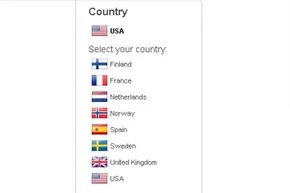
Spotify is not a high-end experiment. Spotify AB has attracted attention since its launch in Sweden in 2008. The company negotiated licenses for several years and gradually expanded from its Scandinavian headquarters to Finland, England, France, Holland and Spain. In July 2011, it finally crossed the Atlantic Ocean and landed in the United States.
This origin story can be understood by looking at the local infrastructure. Sweden has the world’s fastest broadband internet system. They also have a decidedly liberal attitude towards copyright enforcement. This combination actually calls for instant digital gratification.
This environment didn’t just give birth to Spotify. It also spawned The Pirate Bay, a notorious website that aggregated file-sharing links to copyrighted material. Calling Swedes predisposed to theft is pointless. It’s all about speed. If you’re tech-savvy and have a super-fast connection, you need instant access to the media you need.
This behavior has been confirmed by the Pirate Bay. Spotify wants to monetize it.
The service is heavily dependent on the popular peer-to-peer technology of file sharing sites. What are the main differences? License. Record companies support, but only if they are paid. Spotify makes money by playing ads during breaks, creating a legitimate revenue stream where piracy was once the norm.
This model is hard to sell in America. Record labels have traditionally been reluctant to share their catalogs online. But after long negotiations, four major companies – EMI Group, Universal Music Group, Sony Music Entertainment and Warner Music Group – signed the deal. They understand that fighting the flow is pointless. they might as well steer it.
Spotify positions itself as a legal alternative to illegal file sharing. Get instant access to everything from new electronic trance releases to 1920s jazz recordings. It won’t drain your wallet like buying individual albums like it used to, and it also removes the guilt that users have come to rely on for copyright infringement.
The real question is how does the technology actually achieve this without buffering or interruptions? The mechanics of a seamless streaming experience are complex, and understanding them explains why Spotify wants you to forget about CDs, tapes, or downloading files forever.