


NHTSA is moving. The National Highway Traffic Safety Administration is starting a formal process to write new rules for how cars must be designed. The goal? Let people out. Alive.
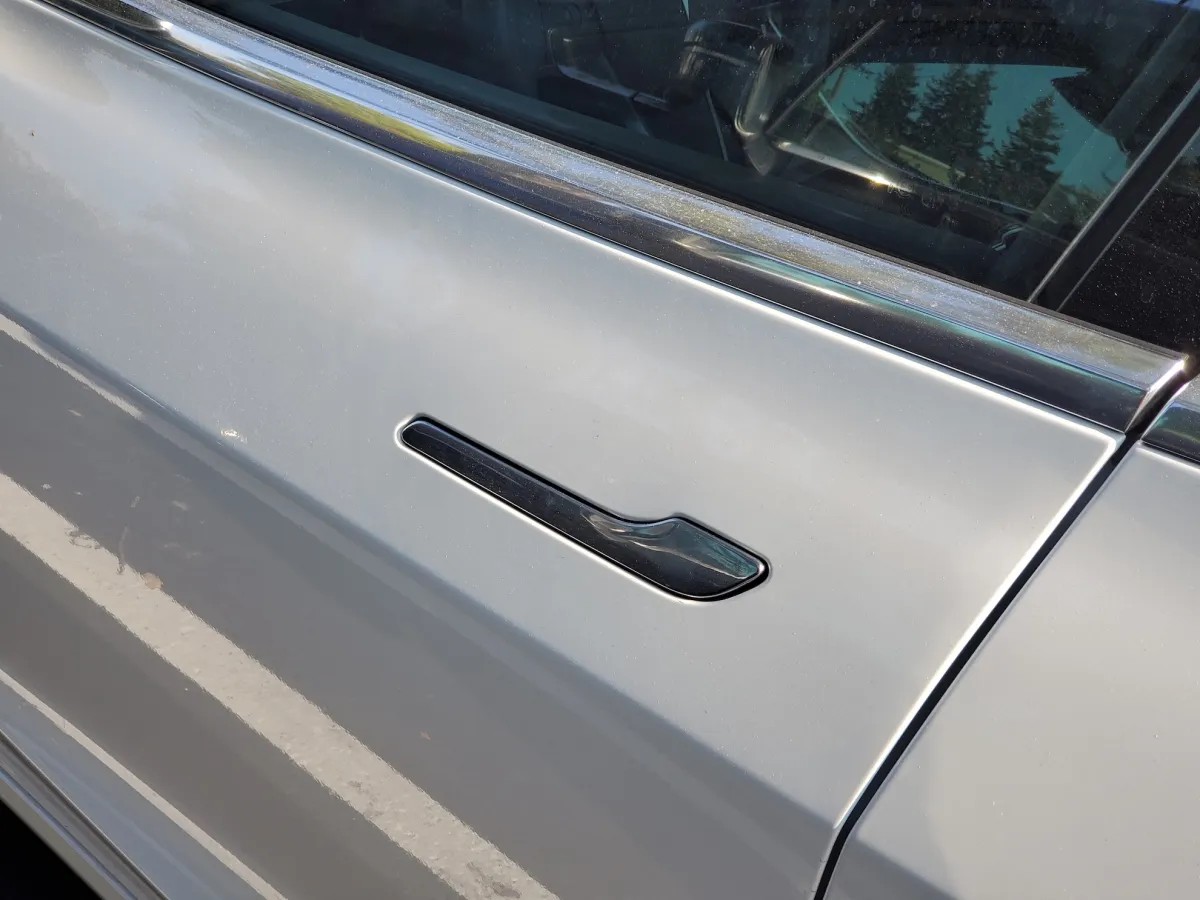
It’s not theoretical. It’s born from real failures. Specifically, cars that trap their occupants. Flush door handles are the prime suspects. These electronic latches are standard on Teslas. And, increasingly, other manufacturers. When the power cuts, the latch stays shut. That’s dangerous. That’s why the feds are paying attention.
How NHTSA Handles the Electric Door Problem
The trigger wasn’t a whim. It was a petition. Owners and safety advocates asked the agency to investigate the 2022 Tesla Model 2. They claimed the emergency mechanical release failed to meet federal motor vehicle standards. The logic was simple: if the battery dies, you die inside.
NHTSA didn’t grant the specific defect investigation requested. Instead, they pivoted. They said this broad design issue requires a rulemaking process. Not a case-by-case recall. A systemic fix.
This distinction matters. Commencing rulemaking doesn’t guarantee a new law. But it puts automakers on notice. If NHTSA passes new mandates, every manufacturer in the US will have to comply. No more loopholes.
Why Flush Door Handles Fail in Crashes
The urgency is real. Less than a year ago, NHTSA opened its first probe into Tesla’s handles. The cause? Nine reports. Owners locked out. Some with children still inside the cabin.
Bloomberg’s investigation added weight. Their reporting highlighted incidents where crashes sealed occupants inside. The door handle, sleek and silent, became a barrier.
Tesla does offer a manual override. Yes. But look at where it is. It’s inside the car.
In an emergency where the car is crushed or electrified, reaching an internal latch can be impossible.
NHTSA’s initial review found a critical flaw. The electronic locks need voltage to pop. If the vehicle’s battery is compromised, the lock stays dead. The mechanical backup only works if you can reach it. And in a twisted metal interior, reach isn’t a guarantee.
What This Means for EV Design
This isn’t just about Tesla. The petition cited their specific model. But the technology is spreading. Ultrasharp edges. Hidden handles. Aero benefits. But safety is the counterweight.
NHTSA’s shift to rulemaking suggests they see this as a class-wide problem, not a single-brand bug. Automakers are betting on electronics for simplicity and style. Regulators are betting on survival.
If these new requirements go through, expect changes in how we enter and exit our vehicles. Mechanical backups will need to be accessible. Not just inside. Maybe on the outside? Or redundant in multiple locations?
We’ll see. The process is beginning. The stakes have never been higher. After all, if you can’t get out, the speed of the car doesn’t matter.