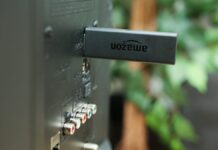


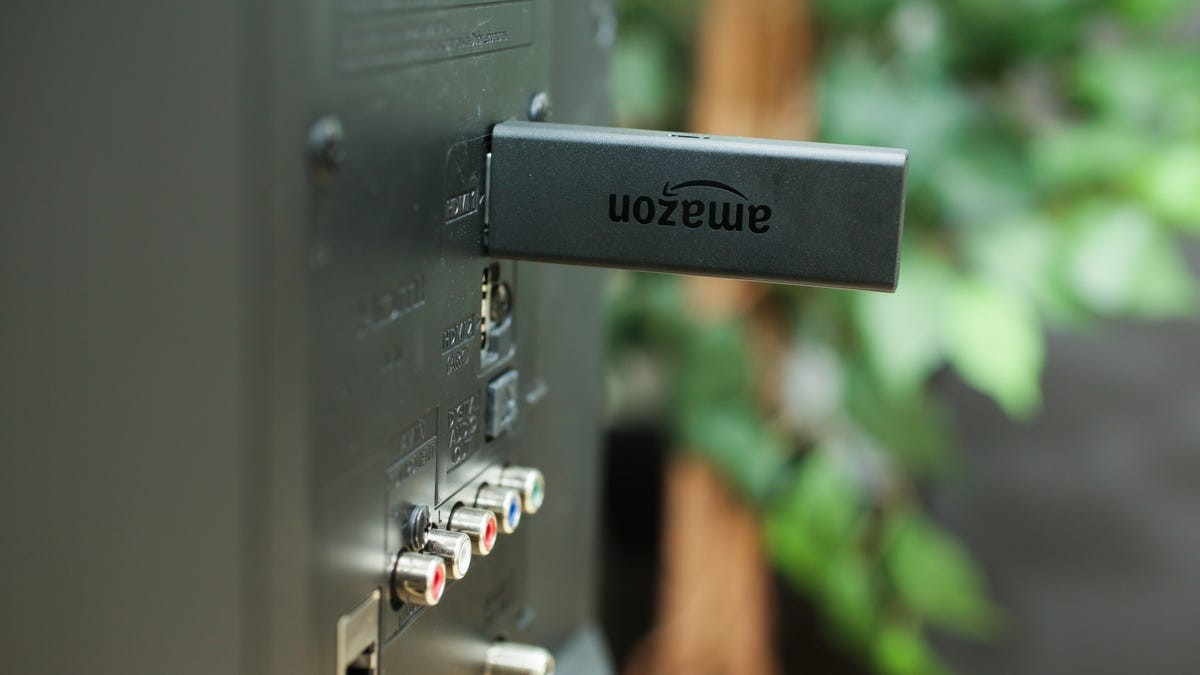
There is probably an old Fire TV stick plugged into your television right now. Maybe two. Gathering dust. Buffering endlessly. Making you want to throw it out the window.
According to a class-action lawsuit filed in California, that frustration wasn’t accidental. The complaint claims Amazon intentionally killed software support for the first- second generation sticks without warning users. Effectively pushing functional hardware into premature retirement. To make room for newer models, naturally.
Bill Merewhuader filed the suit in Los Angeles Superior Court. He bought two second-generation sticks from Best Buy back in 2018. That was four years after Amazon debuted the first version. For a while they worked fine. Then things slowed down. Streaming became painful. Menus lagged. Load times stretched into eternity.
Eventually, the devices died. Or came close to it. He had to buy replacements in 2024.
Merewhuader argues Amazon designed the degradation on purpose. A strategy to “brick” devices before they reached the end of their useful life. A push for upgrades disguised as technological decay.
“Bricked fire tv devices before the expiration of their useful life”
Amazon has not responded to requests for comment. Lawyers for the plaintiffs said nothing beyond the complaint. Silence speaks volumes? Sometimes.
Streaming sticks are getting old
This isn’t a new phenomenon. Tech companies have been selling streaming devices for nearly twenty years. Apple launched the original Apple TV in 2007. Roku followed in 2008. Google’s Chromecast changed the game in 2013, moving from boxes to dongles. Amazon entered the arena in 2014 with both a box and a stick.
As these gadgets age, they break. Apps stop updating. Features disappear. The original Apple TV is basically useless today, replaced by the 4K iterations. That’s how the industry works. Obsolescence is baked in.
But here’s the rub.
The lawsuit hinges on disclosure. Or the lack thereof. Allegations suggest Amazon never told buyers that the sticks would eventually choke or stop working entirely. The performance degraded far beyond what was advertised. The marketing promised convenience, not a dead end.
Who is covered by the suit? Anyone in the US. Provided you owned a first-generation stick as of January 1, 2022. Or a second-generation one as of April 1, 22. The clock is ticking. Whether you’ll see money is another question. The legal process moves at glacial pace. Just like an un-updated streaming stick.