





They move the market with a single transaction. It is an absurd amount of power, yet it is the reality of the crypto world. You call them whales.
The term borrows from traditional finance but paints a clearer picture of the danger. When a whale swims, it creates waves. Small fish get tossed. In cryptocurrency, a whale is an individual or entity holding a massive amount of a specific coin. Their influence is not just high. It is disproportionate.
How Big Is a Whale?
Size matters. Specifically, size defines the player.
For Bitcoin, the threshold is strict. Holding more than 1,000 BTC marks you as a whale. There are roughly 2,500 of these holders worldwide. That is a tiny fraction of users, but they control a chunk of the supply.
Look at the State of El Salvador. They hold 2,300 BTC. That alone qualifies them. Most holders, however, remain ghosts. Wallet addresses are pseudonymous. We see the numbers, not the names.
The Original Whale
Satoshi Nakamoto sits at the top of the hierarchy.
The creator of Bitcoin is still unknown in the real world. Yet, the ledger tells the story. Satoshi holds over 1 million BTC in original coins. These have never moved. Never sold. Never touched.
On paper, this makes the creator one of the richest people on the planet. A multimillionaire is an understatement. They are sitting on a dormant fortune that could shift the entire market if ever unlocked. The question is not if, but when.
The Winklevoss Bet
Then there are the humans. The identified ones.
Cameron and Tyler Winklevoss are famous for two things. Rowing gold. And the Facebook lawsuit.
They claim Mark Zuckerberg stole their idea for the social network. The Social Network movie dramatized it, but the lawsuit was real. It started in late 2004. It settled in early 2009.
The payout? $20 million in cash. $10 million in Facebook stock.
Smart money noticed.
In 2013, Bitcoin was trading at $141. While others saw a weird experiment, the Winklevoss twins saw value. They invested a portion of their settlement into Bitcoin. They bought 78,000 BTC.
That was a calculated risk. Today, it is a staggering return. They proved that identifying whales is easy. Recognizing which ones have vision is harder.
Why It Matters for You
You might think these giants are irrelevant to your daily life. You are wrong.
When a whale decides to move, prices swing. Volatility spikes. Retail traders get liquidated. The waves crash down on small accounts.
Understanding who holds the bags changes how you view the market. It is not just about technology. It is about power dynamics.
“When the whales swim, the small fish get tossed.”
The market is not neutral. It is shaped by those who can afford to wait. Or to dump.
El Salvador holds the coins. Satoshi holds the history. The Winklevoss twins hold the proof that early conviction pays off. But there are thousands of anonymous wallets. Each one a potential earthquake.
Do you know what your neighbors are holding? Probably not. But the market does.
The next
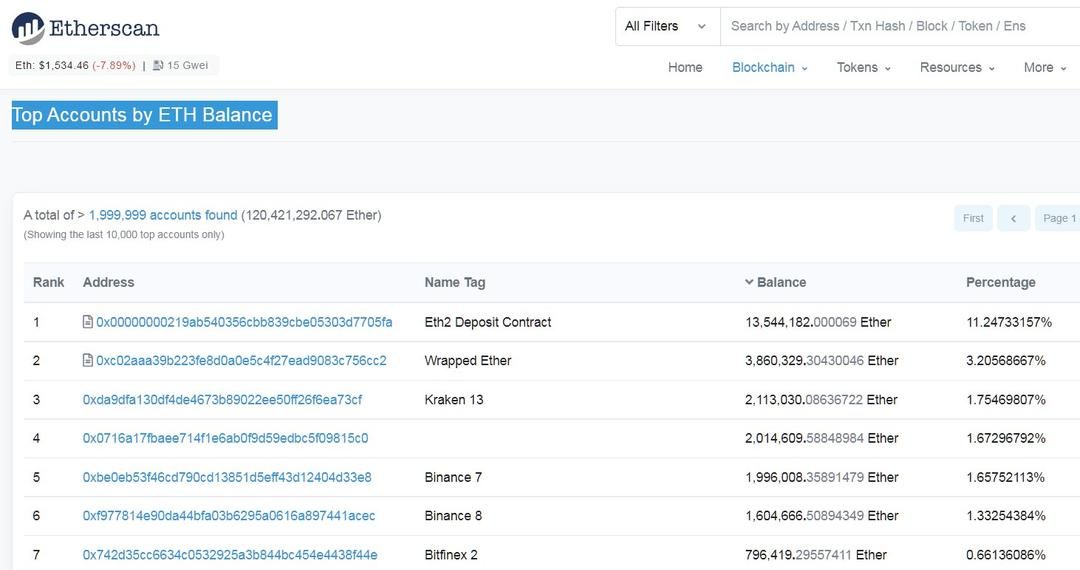
The narrative of Bitcoin as a purely decentralized, libertarian dream is crumbling under the weight of reality. In 2014, when Bitcoin traded at a mere $632, venture capitalist Tim Draper quietly acquired 29,656 BTC. Around that same time, Barry Silbert scooped up 48,000 BTC before founding the Digital Currency Group, a move that cemented his influence in the space. Then there is MicroStrategy CEO Michael Saylor, who has amassed a staggering 130,000 BTC for his company’s treasury.
These aren’t just investors. They are whales. And exchange giants like Binance and Kraken hold massive reserves by nature of their business model.
The Whale Effect on Market Volatility
The impact these entities have on the market is undeniable and often manipulative. A single large buy or sell order from a whale can trigger significant price swings. When a whale dumps a massive block of BTC, ETH, or SOL, the market reacts instantly, sending prices tumbling.
Sometimes this is intentional. A whale might trigger a panic sell-off, driving the price down so they can buy back in at a discount. It’s a cycle of manipulation that stands in stark contrast to the egalitarian ideals Bitcoin’s creators once championed.
Elon Musk and the Retail Pump
This dynamic was on full display in 2021. In January, Elon Musk announced Tesla had purchased $1.5 billion worth of BTC. The market responded with euphoria, sending Bitcoin’s price soaring. Then, just months later in July, Musk sold 75% of Tesla’s holdings. The result? A sharp decline in Bitcoin’s value.
Musk’s influence extends beyond Bitcoin. His public endorsement of Dogecoin, then a minor altcoin, caused its price to skyrocket virtually overnight. These moves highlight how individual statements from high-profile figures can distort markets, benefiting early holders at the expense of retail investors who chase the hype.
The question isn’t whether whales influence the market. It’s how much longer the average user will believe the decentralization story when the outcome is so clearly controlled by a few large actors.

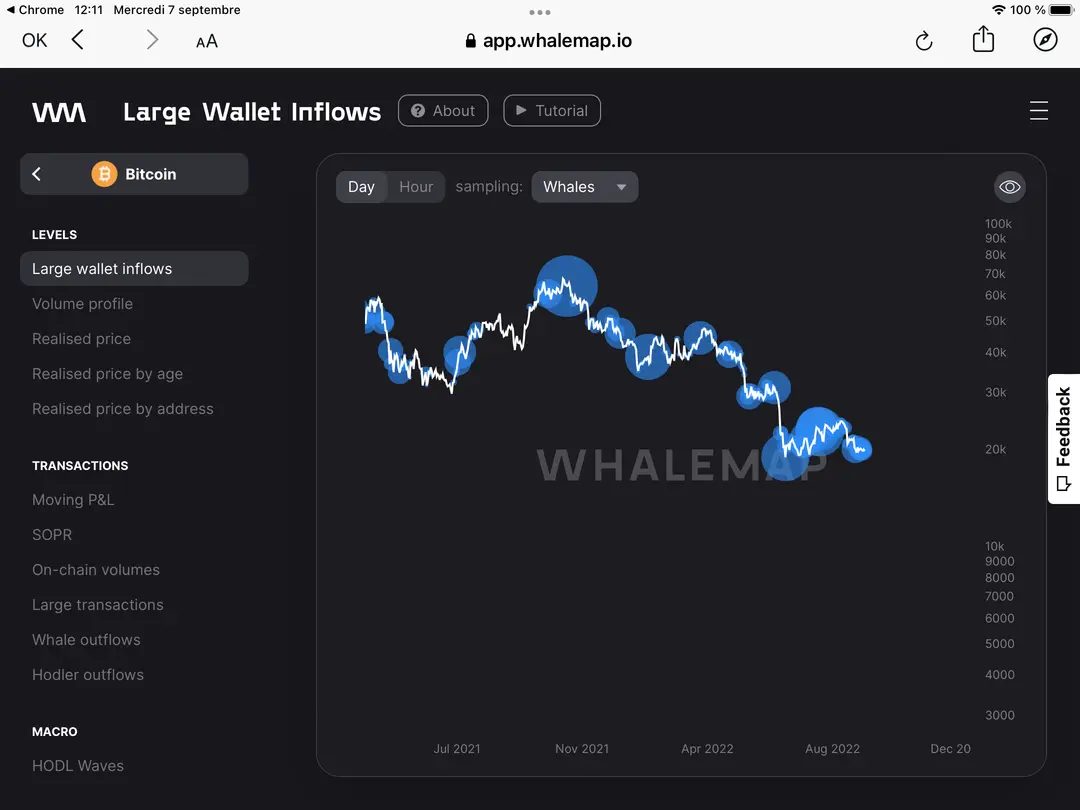
Even though wallet addresses are pseudonymous, tracking the “whales” isn’t rocket science. Speculators obsess over their moves because copying these mega-holders is a strategy that actually works. Platforms like Watcher Guru, WhaleMap, and the Whale Alert Twitter account have built entire businesses around monitoring these entities. They provide real-time alerts on large transactions, allowing retail traders to mimic the behavior of those moving millions in value.
It’s an open secret in the crypto space: a tiny fraction of users hold the cards.
The Illusion of Decentralization
The concentration of wealth in Bitcoin is stark enough to undermine its core philosophy. The reality is that roughly 2,500 whale addresses control the vast majority of the circulating supply. This isn’t just an observation; it’s a quantifiable fact that has plagued the asset since its early days.
Back in November 2020, Bloomberg cited a study revealing a terrifying disparity: just 2% of Bitcoin accounts controlled 95% of all BTC.
Think about that number. Nearly the entire supply was in the hands of a select few. When liquidity and price action are so heavily skewed toward a small group, the market ceases to be organic. It becomes a instrument of power rather than a tool for financial sovereignty.
Whales vs. The Libertarian Dream
This dynamic creates a fundamental contradiction. Bitcoin was born from a libertarian ideal—a system free from central banks, government interference, and traditional financial gatekeepers. The vision was a peer-to-peer electronic cash system where no single entity could manipulate the network.
But today, the price of BTC doesn’t just move based on supply and demand mechanics or global adoption rates. It moves because a single tweet from Elon Musk or a large sell-off from a known whale can trigger a cascade of liquidations.
The market is no longer driven by the consensus of the many, but by the whims of the few. For every new user entering the space believing in the decentralized dream, there is a whale watching from the shadows, ready to dump their stack the moment retail FOMO peaks.
The price of Bitcoin is less a reflection of its utility and more a reflection of the actions of its largest holders.
This doesn’t mean Bitcoin is broken. It means the user base is still maturing. The infrastructure is there. The code is secure. But the human element—greed, fear, and the desire for control—remains unchanged. As long as a handful of wallets hold the keys to the kingdom, the “revolution” will look a lot like a casino where the house always knows the odds.
The Hidden Cost of Convenience
You swipe your card. The transaction clears. You get your coffee.
No one thinks about the plumbing underneath. The servers in Dublin. The data centers in Ashburn. The intricate dance of protocols that moves money across borders in milliseconds. It’s magic, until it isn’t.
And then comes the regulatory hammer.
The European Union isn’t playing around. The Digital Operational Resilience Act (DORA) isn’t just another compliance checkbox. It’s a fundamental reshaping of how financial institutions handle their digital backbone. If you think GDPR was strict, wait for DORA.
What is DORA Actually About?
DORA stands for Digital Operational Resilience Act. It applies to every entity in the financial sector covered by EU law. Banks. Insurance companies. Investment firms. Crypto asset service providers. Even third-party tech vendors serving them.
The goal? To ensure that if a cyberattack hits, or a cloud provider goes down, the financial system doesn’t collapse.
It’s not about preventing every hack. That’s impossible. It’s about ensuring the system can withstand the hit. Recover quickly. Keep operating. Protect the customer’s money.
The regulation covers five core pillars.
- ICT Risk Management : You need a framework. Not a slide deck. Actual controls.
- ICT Incident Reporting : When things break, tell the regulators. Fast.
- Digital Operational Resilience Testing : Prove your systems work under pressure.
- Management of ICT Third-Party Risk : Your vendors are your problem now.
- Information Sharing : Share threat intelligence. Anonymized, but shared.
Why the Focus on Third-Party Providers?
Here’s the twist. Most banks don’t own their cloud infrastructure. They rent it from AWS, Azure, Google Cloud, or specialized financial providers like FIS or Fiserv.
If AWS goes down, your bank goes down.
DORA recognizes this dependency. It places heavy scrutiny on the relationship between financial entities and their ICT third-party service providers.
This means financial institutions must now conduct rigorous due diligence. They need to know where their data lives. Who has access. What happens if the provider goes bankrupt.
And for the providers? They face direct oversight. The EU is establishing a framework for the direct supervision of critical ICT third-party providers. If you’re a major cloud provider to the financial sector, you’re now in the regulatory crosshairs.
“The era of outsourcing responsibility is over. You are accountable for your vendors’ failures.”
How Does DORA Change Daily Operations?
For the average developer or IT manager, the change is subtle but pervasive.
Incident Classification
Not all breaches are created equal. DORA requires you to classify incidents based on their impact. Is it a minor glitch? Or a systemic failure affecting thousands of users?
The classification dictates the reporting timeline. Major incidents must be reported within hours. Not days. Not weeks. Hours.
This creates a culture of urgency. Your incident response plan can’t be buried in a PDF. It needs to be active. Automated.
Testing Requirements
You can’t just say your systems are secure. You have to prove it.
DORA mandates regular digital operational resilience testing. For critical entities, this means threat-led penetration testing.