


Humanoids are busy in warehouses now. Folding laundry. Testing delivery routes. They aren’t flying domestic yet, though. Not on Southwest.
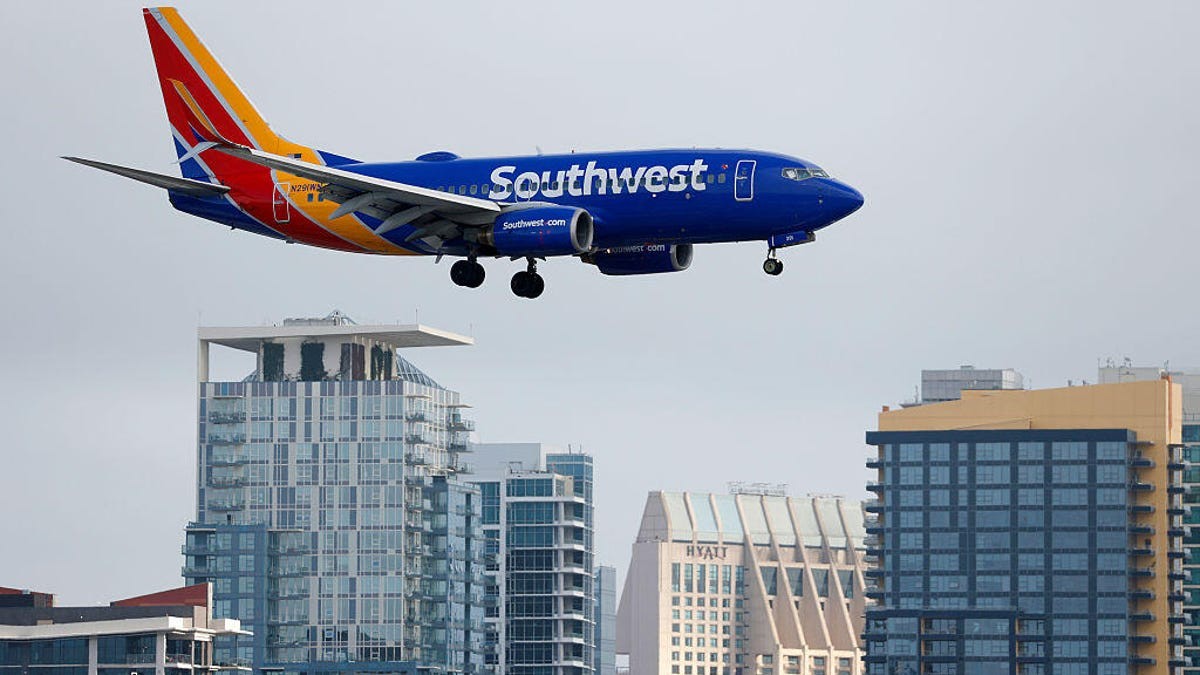
The policy hit on May 15. Hard line drawn. No humanoid robots. No “animal-like” ones. Doesn’t matter what they look like or why you own them. They stay off the cabin. They stay out of the hold.
Other machines? Maybe. Only if they squeeze into a standard carry-on. They still have to follow the battery rules, of course. Those are strict.
Here’s the friction point: Lithium-ion batteries. Same stuff powering those mobile power banks. Southwest caps them at 100 watt-hours. You get one per passenger. Just one. The airline tightened these screws last year after realizing those cells can combust. Don’t charge them while in the air, either. It’s a no-go zone for plugging in.
Was this reaction to one specific disaster? Lynn Lunsford, speaking for Southwest to CNET, says no.
“We have had a handful of recent experiences… One led to a flight delay. The primary concern is the size… and the risk.”
Confusion gets people killed or grounded. So they wiped the slate clean. Ban the whole class.
It started with headlines. A Bebop robot built by Unitree took a seat recently. Oakland to San Diego. Southwest flight. This wasn’t a tourist; it was property for a Dallas event company. The delay was the spark.
What comes next for tech in the skies? Probably just more anxiety at the gate.