




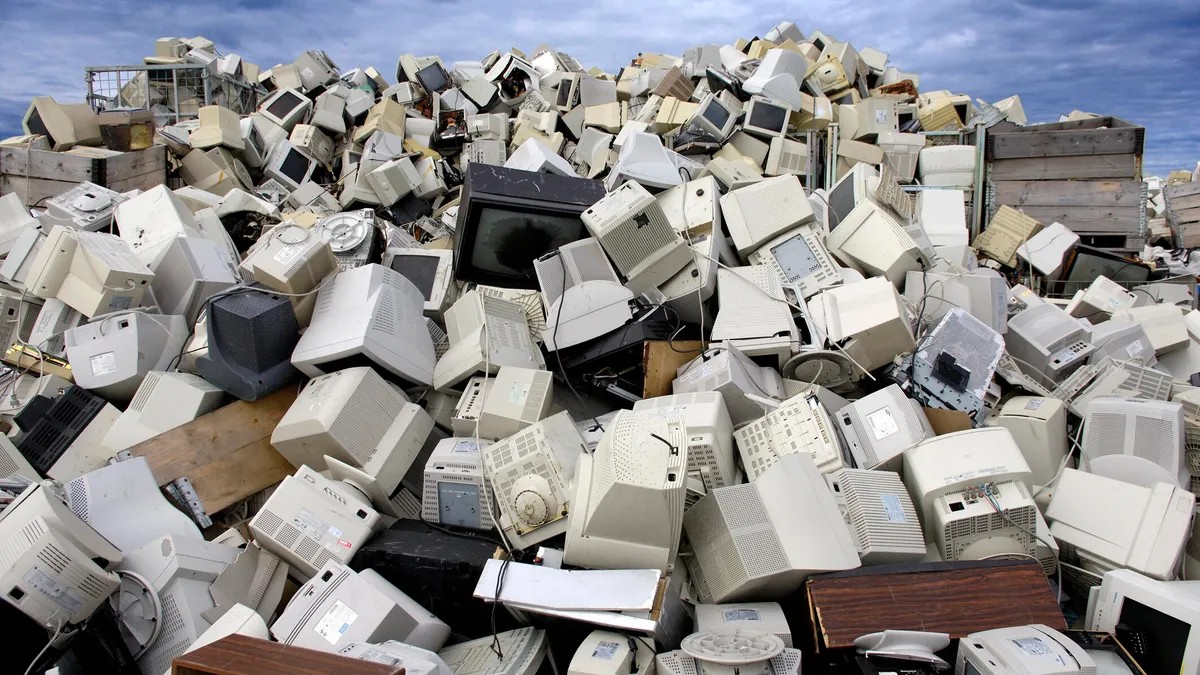
Most of us don’t throw things away. We relocate them. The laptop migrates from desk to closet, closet to a plastic bin, bin to the dark recesses of the garage. It joins the graveyard of devices that lost their purpose three years ago but refuse to die. It is a deeply human panic response. Where does it go? Is it legal? Will I lose my photos?
The answer is boring. And good news. It is usually free. It takes an afternoon. You are the one holding back.
Retailers Are Basically Junkyards (But Polite Ones)
Big box stores like Best Buy and Staples act as drop-off hubs for your digital sins. Walk in with a bricked PC. Drop off a clunky printer that smells like ozone. Hand it over. No receipt from ten years ago required. No fees. Some will even throw a discount code your way for helping them save landfill space.
It is the easiest hack for reclaiming shelf space without feeling guilty about environmental collapse.
The one catch. And it is a big one.
Data.
Stop dragging files into the “Trash” folder and hoping for the best. That is not recycling. That is negligence. You need to wipe the drive. Factory reset. Use scrubbing software. Ten minutes now prevents identity theft later. Do you really want to explain to the IT department that your old tax returns are living inside a stranger’s recycled desktop? No. You do not. Wipe it clean. Let the pros handle the silicon. Stop trying to fix the 2014 model. Let it die with dignity.
The Big Names And Their Quirky Rules
Not all programs are created equal. Policies shift. Check the fine print before loading the car.
Apple
They love their stuff. They want it back. But there is a trap.
Apple’s free recycling program technically requires you to purchase a qualifying device first. Yes. You must buy something new to drop off the old one for free. If you just have trash? Try a third party. Gazelle buys old MacBooks for recycling. They send you a prepaid label. You ship it. They take it. Simple.
Buying new to recycle old is a retail psychological trick, not a moral imperative.
Best Buy
They take three items per day, per household, for free. Desktops, printers, e-readers. Even vacuum cleaners. They will take five laptops per day if you can cram that many in the car.
Monitors? Check your state laws. It might not be free. Shipping it back via mail isn’t either. A small box costs $23. A large one $30. Worth it for the tube TV that won’t unplug itself from the wall, perhaps. Not for a laptop that still has the Windows 7 wallpaper on it.
Office Depot / OfficeMax
Merged. Complicated.
They offer a trade-in. Bring a working laptop. Get a gift card. If the laptop is dead? They recycle it for free. They sell e-waste boxes too, but you pay for those. $8.39 for small. $28 for large. It is recycling, but with a price tag on the cardboard.
Staples
Straightforward. Bring your desktop. Your printer. Your ancient mouse. Even if you bought it somewhere else. It’s free. They even have at-home battery collection boxes. Customers are recycling thousands of batteries a week now. Up from fifty. Progress.
Beyond The Checkout Line
Can’t make it to the store? Maybe you live in a dead zone for big box retailers.
Search engines exist for this.
Earth911
Plug in your ZIP code. Filter for “computer” or “printer.” Do not blindly trust the results. Sometimes the database spits out cell phone centers when you wanted desktop disposal. Scroll. Check. Verify.
It is not magic. It is logistics.
The hardware is useless to you, but the gold in the motherboard is priceless to them.
Most of this friction comes from overthinking. We treat e-waste like radioactive waste. It’s just plastic and metal and memory chips. Wipe the data. Carry the box. Walk through the door.
The garage will thank you. Maybe next spring.