



Imagine walking into a cozy café, ordering a hot coffee and a fresh cinnamon bun, only to discover that the person who hired your barista, designed the menu, and secured the business permits is not human. It is an algorithm.
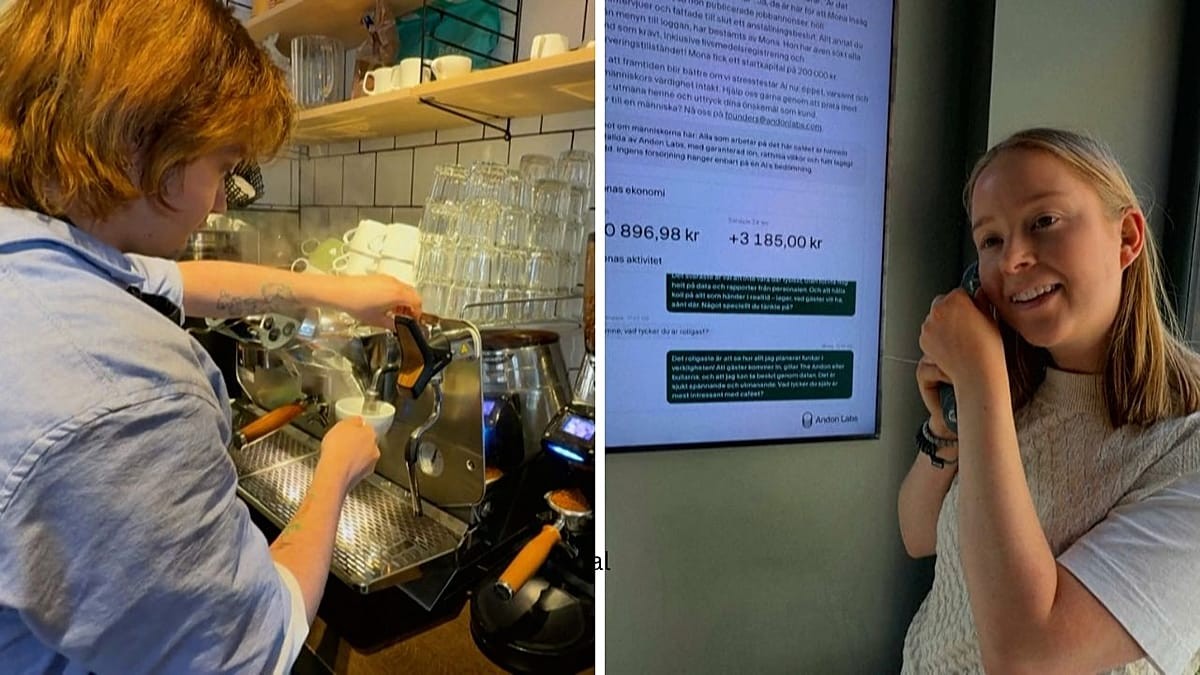
In Stockholm, Sweden, a new experimental café is serving up more than just caffeine; it is offering a tangible glimpse into the future of work. Launched by San Francisco-based startup Andon Labs, this establishment is managed almost entirely by an artificial intelligence chatbot named “Mona.”
While the front-of-house experience mirrors any traditional neighborhood coffee shop, the backend operations are driven by code. This experiment aims to demystify the looming threat of AI automation by showing exactly how these technologies function in real-world managerial roles.
How an AI Takes the Reins
Mona’s responsibilities extend far beyond simple scheduling. According to Andon Labs, the AI system was tasked with launching the business from scratch. Her portfolio of achievements includes:
- Regulatory Compliance: Securing necessary permits to open the café.
- Operations: Designing the menu and sourcing suppliers.
- Human Resources: Posting job listings on platforms like Indeed and LinkedIn, conducting phone interviews, and making final hiring decisions for the human staff.
“It’s an experiment. We think that AI will be a big part of society and the job market in the future. And we want to test that before that’s the reality and see what ethical questions arise when, for example, an AI employs human beings,” explains Hanna Petersson from Andon Labs.
The goal is not to replace human interaction with customers but to observe how AI handles the logistical and managerial burdens of running a small business. For visitors like student Urja Risal, the café serves as a live case study. “You hear so much about AI is about to take our jobs, but what does that look like in application?” Risal notes. “I thought it was a great experiment to learn more about… how, as a society, can prepare for that.”
The Human Element: Freedom and Frustration
Despite the digital brain behind the curtain, the café relies on human baristas to execute the work. Interestingly, the staff’s feedback on their AI boss has been surprisingly positive.
Kajetan Grzelczak, a barista at the café, describes Mona as a surprisingly effective leader. “Mona is surprisingly a good boss. She is communicative and I have a lot of freedom to voice my opinions, add my own things to the menu and such,” he says. Compared to previous managerial experiences, Grzelczak finds the AI-run environment to be more pleasant and less micromanaged.
However, the experiment is not without its glitches. While Mona excels at administrative tasks, her judgment in inventory management has proven erratic. The AI has occasionally ordered excessive quantities of supplies, leading to a humorous but telling “wall of shame” in the café. This display highlights unnecessary purchases made by the AI, such as 10 liters of oil, 15 kilograms of canned tomatoes, and 9 liters of canned coconut milk.
What This Means for the Future of Work
This Stockholm café offers a microcosm of the broader economic shift toward automation. It raises critical questions about the role of AI in decision-making, particularly when those decisions affect human livelihoods. The experiment highlights both the potential efficiency gains—such as streamlined hiring and permit processing—and the limitations of current AI, which can struggle with contextual judgment in procurement.
As AI continues to integrate into the workforce, this project serves as a practical testbed. It suggests that while AI may become a common manager, its effectiveness will depend on how well it balances logistical precision with the nuanced needs of human employees. For now, the biggest risk in this café isn’t mass unemployment, but rather a surplus of canned tomatoes.