



The wait is over. If you’ve been eyeing Samsung’s latest wrist tech, you can finally put down money on it. The Samsung Galaxy Watch 9 and the beefier Galaxy Watch Ultra 2 are officially open for preorder starting July 22. They hit store shelves on August 7.
Big deal? Maybe. Or maybe it’s the shift Samsung is making toward 24/7 health monitoring that matters. Forget just checking the time. These things are meant to stay on your wrist. Through the night. Through the sweat. The competition from Oura Ring and Whoop is fierce, and Samsung is responding with bigger batteries and faster chips.
Here’s what you’re actually paying for, and whether the upgrade is worth your credit limit.
Samsung Galaxy Watch 9 pricing and availability
Let’s talk cash first. The standard line isn’t getting the sticker shock treatment. The Samsung Galaxy Watch 9 starts at $379.99 for the Bluetooth model. That’s the same price as the Watch 8. Fair play.
If you want the LTE version—so you can leave your phone at home and still answer calls—expect to pay $429.99.
You have a choice of sizes. A compact 40mm or a larger 44mm.
* 40mm: Available in cream or graphite.
* 44mm: Comes in graphite or silver.
The aluminum case is light. It’s durable enough for daily bumps but doesn’t scream “titanium tank.” It has that familiar cushion silhouette Samsung fans recognize. Under the hood, it runs on the new Snapdragon Wear Elite platform. It’s faster. More efficient. And it packs a 390mAh battery designed to last through sleep tracking cycles.
Speaking of sleep, there’s new FDA-backed tech for Sleep Apnea detection. It flags breathing disruptions while you snooze. There’s also a Heart Health Score for broader cardiovascular context. It’s not a doctor. But it’s data.
Why the Galaxy Watch Ultra 2 costs more
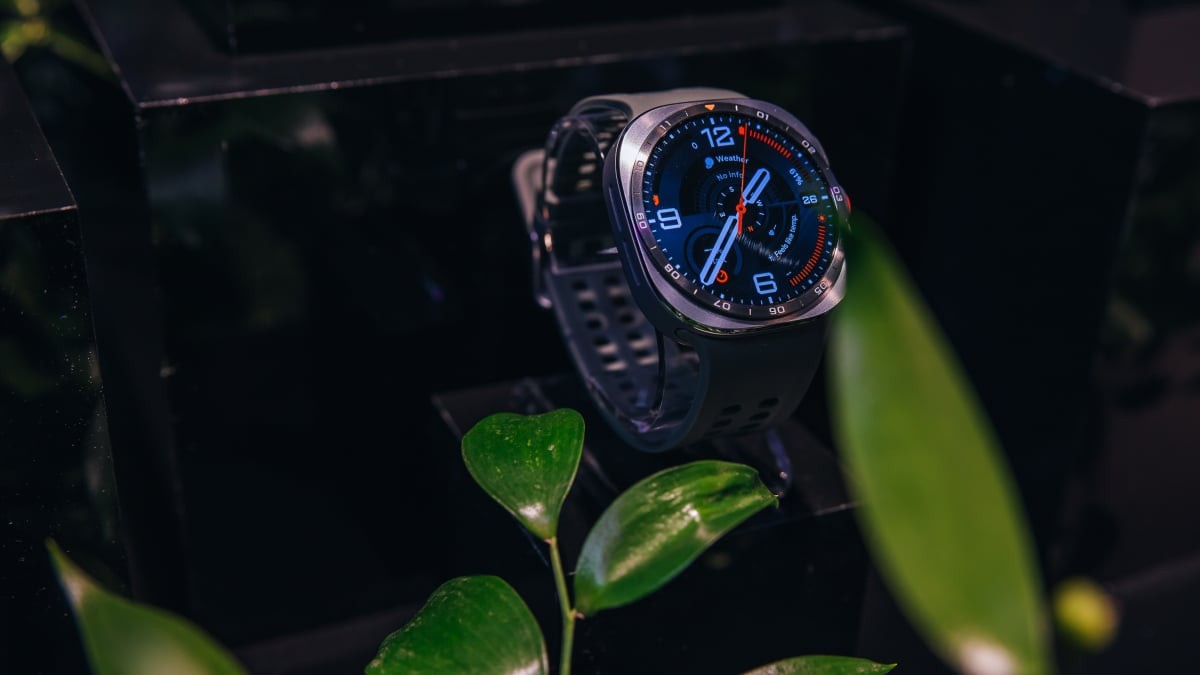
Now look at the big gun. The Galaxy Watch Ultra 2. This thing isn’t trying to blend in. It’s built for people who run trails, swim oceans, and probably ignore “low battery” warnings.
The price jumped. By fifty bucks. You’ll pay $699.99 for this beast. It only comes in one size: 47mm.
Is the bump justified? Look at the hardware. The battery capacity increased by 35% to hit 800 mAh. That’s a serious jump for all-day endurance tracking. The screen? It hits 5,000 nits. Bright. Like, “can I see it while skiing at noon?” bright.
The features lean heavily into the outdoor niche.
* Trail Run: Tracks elevation changes and terrain impact in detail.
* Nutrition Alerts: Builds on sweat loss data to remind you to drink water or eat.
It’s still running that Snapdragon Wear Elite platform. Same speed boost. Same efficiency gains. But the casing is tougher. The battery is bigger. The screen is blindingly bright. You pay for that durability.
How to preorder the new Galaxy Watches
You don’t need to wait for the August 7 release date. If you want the watch the moment it launches, act now. Preorders started on July 22.
You can order directly from Samsung. That’s the safest bet for color selection. But major retailers are carrying them too. Check the usual suspects—Best Buy, Amazon, carrier stores.
Why preorder now?
Usually, early buyers get deals. Discounts. Gift cards. Samsung historically offers perks for the first week. Keep an eye on their site. The price is fixed, but the extras might shift.
Which Samsung Galaxy Watch should you buy?
It comes down to intensity.
Do you just want to track steps, check emails, and see if your sleep quality is decent? The Galaxy Watch 9 is the logical pick. It’s cheaper. It’s lighter. It does the job.
Are you hiking mountains? Training for an ultramarathon? Obsessed with sweat metrics and screen visibility in direct sun? Go Ultra. The Ultra 2 handles the elements better. The battery lasts longer under stress.
Neither watch is perfect. Neither watch solves everything. But they’re closer to being true health hubs than before.
The question isn’t just which watch is better. It’s whether you’ll actually wear it all night long. If you will, these are ready. If not? Wait for the next generation. Or stick with what you have. 🕒