


Sony is preparing to launch a new television technology in 2026 that aims to redefine the limits of LED-LCD displays. After years of development, the company has unveiled its “True RGB” backlight technology, a move designed to deliver unprecedented color volume, brightness, and purity.
While the industry has long relied on a standardized method for lighting screens, Sony is returning to its roots to try and bridge the gap between traditional LCDs and the gold standard of image quality: OLED.
Understanding the Shift: From Blue to Full RGB
To understand why this matters, one must first understand how a standard LED TV actually works.
Most modern “LED” TVs (which are technically LCD displays) do not use a full spectrum of light from the back. Instead, they use blue LEDs as a base. To create other colors, they rely on phosphors or quantum dots to convert that blue light into red and green. While effective, this method has inherent limitations in how vibrantly it can reproduce certain hues.
Sony’s “True RGB” approach changes the fundamental architecture:
– The Old Way: A backlight of blue LEDs + color-converting layers.
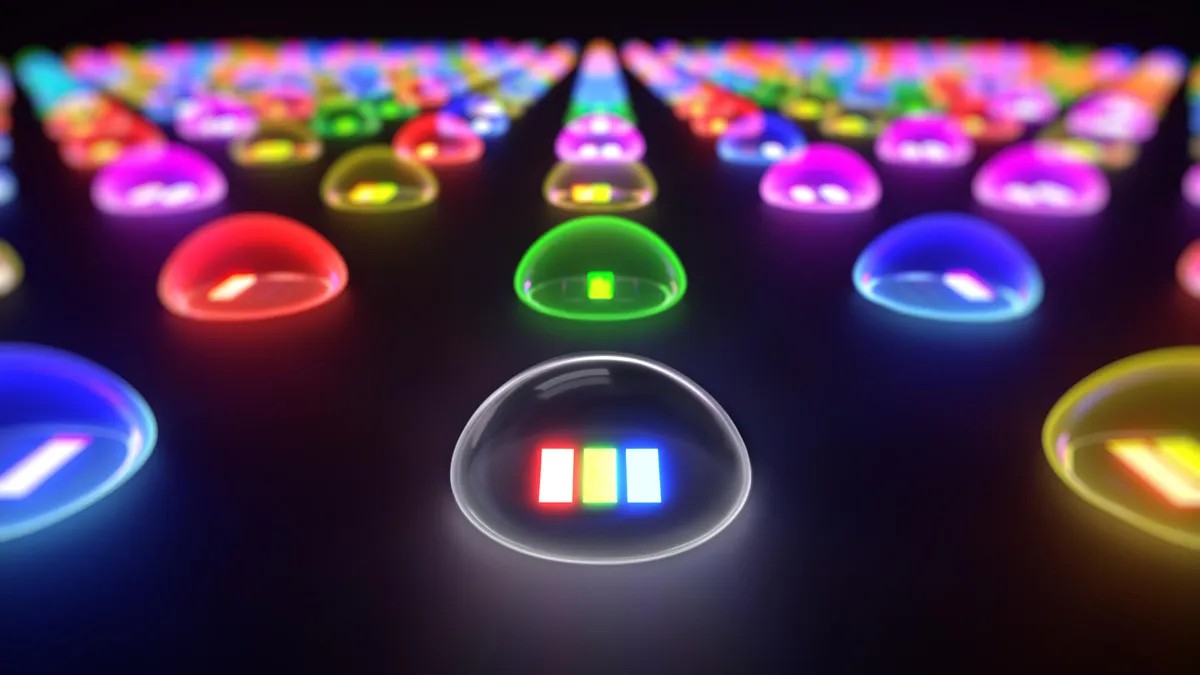
– The Sony Way: Individually controlled Red, Green, and Blue LEDs working in tandem.
By using discrete RGB LEDs, Sony aims to provide much more precise control over the light being sent to the screen, potentially resulting in a “color volume” that was previously impossible for LCD-based sets.
The Battle for “Color Volume”
In the world of display technology, color volume is a critical metric. It refers to a TV’s ability to maintain highly saturated, accurate colors even at very high brightness levels.
Many current TVs face a compromise: they can be incredibly bright, but as the brightness increases, the colors often look “washed out” or pale (for example, a bright red shirt might appear pinkish). Sony’s goal is to break this trade-off, providing massive brightness—potentially up to 4,000 nits —without sacrificing the richness of the color.
The Technical Hurdles: Blooming and Crosstalk
Despite the promise, this technology faces two significant engineering challenges that could impact real-world viewing:
- Blooming: Because an LCD screen uses a backlight rather than self-emissive pixels (like OLED), it cannot turn off individual pixels. This often results in “blooming”—a visible halo of light around bright objects on a dark background.
- Color Crosstalk: This is a specific risk for RGB backlighting. Because the backlight is managing color at a “zone” level rather than a “pixel” level, colors can potentially “bleed” into adjacent dark areas. If not managed by sophisticated processing, a bright green object could cause a green tint in a nearby black area of the screen.
The Competitive Landscape
Sony is not alone in this pursuit. The race to perfect RGB mini-LED technology includes major industry players like Samsung, LG, Hisense, and TCL.
This competition suggests a broader industry trend: as the performance gap between LCD and OLED narrows, manufacturers are aggressively innovating the backlight to squeeze every possible drop of performance out of LED-based hardware. This serves as a vital bridge for the industry as it waits for more advanced, cost-effective technologies like micro-LED to become mainstream.
The Bottom Line: Sony’s True RGB technology represents a sophisticated attempt to marry the extreme brightness of Mini-LED with the color depth typically reserved for OLED. If Sony can master the precision required to prevent color bleeding, it could set a new benchmark for high-end displays; however, the high cost of such advanced engineering will likely make these sets a premium luxury.