





You don’t have to ask how YouTube became the internet’s default television. It is where people go to learn, to laugh, and occasionally to feel something real. Meticulously curated by algorithms and human curiosity alike, the platform hosts billions of videos. We scroll through them for tutorials, music videos, or just to kill time while waiting for a bus in a foreign city. But some videos do more than just accumulate views. They become cultural artifacts. They break the internet’s scale. They become global phenomena.
The leaderboard of the most watched videos on YouTube is not just a list of entertainment hits. It is a snapshot of collective human attention. These clips have been shared, re-shared, and embedded across every corner of the web. They transcend language barriers. They reach audiences in places the creators never imagined. Here is what happens when a video hits that impossible number: billions of eyes.
The Unstoppable Rise of Baby Shark
At the top of this hierarchy, sitting on a throne of pure, unadulterated repetition, is “Baby Shark.” This isn’t just a song. It is a cultural event. With over 12.8 billion views, it holds the title for the most watched video in the history of the platform.
Why does it have so many views? The answer lies in its simplicity and its target demographic. Designed for toddlers, the video features catchy melodies, bright colors, and repetitive lyrics that encourage participation. Parents upload it. Children watch it on loop. The view count compounds not because of viral marketing campaigns, but because of genuine, daily consumption by a captive audience. It is a testament to how effectively a piece of content can embed itself into the daily routines of families worldwide.
Understanding the Scale of YouTube Views
To grasp what 12.8 billion views actually means, you have to look at the mechanics of the platform. YouTube is not merely a video host. It is a search engine, a broadcast network, and a social community all rolled into one. Every day, millions of new videos are uploaded. Yet, only a tiny fraction ever break through the noise.
When a video reaches the top of the most-watched list, it is usually because it has achieved a specific kind of ubiquity. It is not just seen. It is experienced. It becomes part of the background noise of daily life. For “Baby Shark,” this means millions of households around the world have played it, likely many times over. The view count is not a static number. It grows by the second.
Beyond the Top Spot: A Look at the Competition
While “Baby Shark” dominates the absolute top, the race for the other spots on the most-watched list is fierce. These videos often share characteristics with the pink shark hit: high entertainment value, broad appeal, and a strong emotional or rhythmic hook.
- Global Reach: Many of these top videos are music videos. Music is a universal language. A catchy tune requires no translation.
- Repetition: Listeners often replay these videos. This behavior drives up view counts significantly more than one-time watches of a documentary or a news clip.
- Shareability: Content that is easy to share on social media platforms tends to climb the ranks faster.
The presence of these videos at the top of the

YouTube’un en büyük hitleri arasında Baby Shark ve Luis Fonsi ‘nin Despacito single’ı başı çekiyor. Bu iki eser, platformun vizyonunu ve küresel izleyici kitlesinin ne kadar genişlediğini gösteren net örnekler.
Baby Shark: Çocukların Favorisi ve Rekor Kıran Video
18 Haziran 2016’da yüklenen Baby Shark, şimdiye kadar 12.8 milyar izlenmeye ulaştı. Bu sayı, YouTube’un o ana kadar kaydedilmiş herhangi bir videoda görülen en yüksek izlenme oranıdır.
Renkli animasyonlu video, dünya çapında milyonlarca çocuğun favorisi haline geldi. Baby Shark Dance olarak bilinen bu video, basit melodisi ve tekrarlayan koreografisiyle çocuklar arasında viral bir fenomen oldu.
Despacito: 8.1 Milyar İzlenme
Despacito, Luis Fonsi’nin Despacito (Remix) şarkısını içeriyor. Bu video, şimdiye kadar 8.1 milyar kez izlendi.
Bu şarkı, Latin popun küresel çapta ne kadar güçlü bir etkiye sahip olduğunu gösteriyor. Despacito (Remix), Justin Bieber’ın katılımıyla uluslararası bir hit haline geldi ve YouTube’un en çok izlenen videoları arasında ikinci sıraya yerleşti.
Neden Bu Videolar Rekor Kırdı?
Bu videoların başarısı, sadece müzik veya animasyon kalitesiyle açıklanamaz. Baby Shark ‘ın basit yapısı ve Despacito ‘nin ritmik akış, izleyicilerin tekrar tekrar izlemesine neden oldu.
- Tekrarlanabilirlik: Çocuklar Baby Shark ‘ı defalarca izleyebilir.
- Küresel Erişim: Despacito, farklı dillerde ve kültürlerde popüler hale geldi.
- Platformun Gücü: YouTube, bu tür içeriklerin viral olmasını sağlayan algoritmalar ve öneriler sunuyor.
Sonuç
Baby Shark ve Despacito, YouTube’un en büyük hitleri arasında yer alıyor. Bu videolar, platformun küresel etkisini ve izleyici kitlesinin çeşitliliğini gösteriyor.

YouTube’daki en çok izlenen videolar listesi, müzik meraklılarını şaşırtıyor. Luis Fonsi ve Daddy Yankee’nin Despacito şarkısı, 8.1 milyar izlenmeyle ikinci sırada yer alıyor. Bu Latin ritimli hit, yıllarca listelerin başında kalarak geniş bir hayran kitlesi kazanmıştı. Ancak bir numaralı koltukta oturan isim, beklenmedik şekilde çocuklara hitap ediyor.
3. Johny Johny Yes Papa – 6.7 Milyar İzlenme
Listede üçüncü sırada yer alan Johny Johny Yes Papa, müzik videosu değil, bir çocuk tekerlemesinin animasyonlu hali. 6.7 milyar izlenmeyle, dünyanın en popüler video içeriği olarak geçiyor.
Neden Bir Tekerleme En Çok İzlenen Video Oluyor?
Soru şu: Nasıl olur da, herhangi bir şarkıdan daha basit görünen bir çocuk şarkısı, milyarlarca izleme alabiliyor? Cevap, izleyici kitlesinin yaş yapısında gizli. YouTube’un global kullanıcı tabanında, dil bariyeri olmayan içeriğe ihtiyaç duyan küçük çocuklar büyük bir bölüm oluşturuyor. Johny Johny Yes Papa, dil öğrenmeden önceki aşamada bile takip edilebilecek görsel basitlikte.
İçerik Analizi ve İzlenme Nedenleri
Videonun başarısı, rastlantısal değil. Belirli stratejik unsurların birleşimiyle oluşmuş:
- Yüksek Tekrarlanabilirlik: Şarkı kısa, melodik ve her bölümü aynı yapıda. Çocuklar tekrar tekrar izlemeyi sever.
- Görsel Sadelik: Karmaşık hikayeler veya özel efektler yok. Sadece yavan bir sahne, şeker yiyen bir çocuk ve onu izleyen baba figürü.
- Dil Bağımsızlığı: İngilizce olsa da, ses tonları ve eylemler (yeme, gülme, şaşırma) evrensel. Farklı dillerdeki versiyonları da benzer şekilde popüler.
Müzik Videoları vs. Çocuk İçeriği Karşılaştırması
Peki, bu kadar izlenme alan bir müzik videosu ile bir çocuk tekerlemesi neden bu kadar farklı bir konumda?
Müzik videoları genellikle belirli bir kültürü, sanatçıyı veya trendi temsil eder. İzleyici, şarkıyı dinlemek veya sanatçıyı takip etmek için gelir. Oysa Johny Johny Yes Papa gibi içerikler, ebeveynlerin çocuklarını eğitmek veya oyalamak için aradığı araçlar. Bu nedenle izlenme süreleri daha uzun ve sıklık daha yüksek olabilir.
Hangi Platformlar Bu İçeriği Destekliyor?
Video, YouTube’un yanı sıra, YouTube Kids gibi alt platformlarda da yoğun şekilde tüketiliyor. Bu, izlenmelerin sadece ana siteden değil, çocuklara özel arayüzlerden de geldiğini gösteriyor. Ebeveynler, çocuklarının

The Bath Song and the Glue of Kids’ Content
You might recognize the face. Johny Johny Yes Papa isn’t just a rhyme; it’s a digital landmark. With 6.7 billion views, it holds the spot as YouTube’s third most-watched video. Why does a simple song about not eating sugar dominate the algorithm? It’s not just catchy. It’s educational. It tricks toddlers into learning through rhythm and repetition. The charm is undeniable. The engagement is real.
Then there is the bath time anthem.
Why the Bath Song hits 6.2 billion views
Bath Song sits at number four with 6.2 billion views. It doesn’t try to be clever. It doesn’t offer complex narratives. It offers routine. Parents hate bath time chaos. Kids hate the slippery soap. This video solves both problems. It turns a stressful transition into a musical event.
Think about the mechanics here. The song is repetitive. The visuals are bright. The characters are friendly. It’s designed for a brain that hasn’t fully developed impulse control. A toddler watches it because it predicts what happens next. The soap goes on. The rinse happens. The fun is consistent.
This is where the magic of kids’ content lives. It’s not about art. It’s about predictability. Parents press play. The screen goes dark, but the room stays calm. They get five minutes to breathe. The child gets a song they already know. Everyone wins.
The difference between Johny Johny and Bath Song is subtle but important. One focuses on behavior correction. The other focuses on routine. Both rely on the same psychological hook: familiarity. A child doesn’t skip a song they’ve heard a thousand times. They demand it. This creates the view counts that baffle marketers. You can’t buy this loyalty. You have to earn it through sheer repetition.
Is there an optimal length for these videos? Shorter is usually better. The attention span of a three-year-old is measured in seconds. If the hook doesn’t land in the first five, you lose them. But once you have them, you have them for the duration. The algorithm rewards completion rates. High retention means more promotion. More promotion means more views. It’s a self-reinforcing loop.
The parents watching these videos aren’t passive. They are using digital tools to manage their households. The screen is a babysitter. It’s a pacifier. It’s a teacher. The distinction blurs. When a child learns colors from a cartoon, is it play or work? It’s both. The value is in the dual function. The child gets entertained. The adult gets a break. The platform gets an ad impression.
This triad drives the economy of children’s content. It’s not just about entertainment. It’s about utility. The songs are utilities. They serve a purpose in the daily grind of raising a child. That’s why the view counts are astronomical. They solve problems. They fill time. They keep the peace.
The next time you see a toddler glued to a screen, singing along to a song they can’t possibly understand the lyrics to, remember the structure behind it. It’s engineered. It’s precise. It’s effective.

5. Shape of You – 5.9 Milyar
Ed Sheeran’ın Divide albümünden çıkan hit parça, 5.9 milyar izlenmeye ulaştı. Bu sayıyla YouTube’un en çok izlenen beşinci videosu oldu. Şarkı, pop müzik dünyasında uzun süre kalmayı başardı.
The Cuckoo’s Song, Bath Song ve Baby Shark’ın ardından listede. Bu üç şarkı çocuklara hitap ediyor. Shape of You ise yetişkinleri hedef alıyor. Farklı kitleler aynı platformda buluşuyor.
Şarkının akılda kalıcı nakaratı, radyolardan düşmüyor. Ritmi, dans etmeye teşvik ediyor. Ed Sheeran’ın sesi, basit bir akortla güçlü bir etki yaratıyor. Bu basitlik, şarkının küresel çapta yayılmasını sağladı.
İzlenme sayısı, şarkının ne kadar popüler olduğunu gösteriyor. 5.9 milyar, ciddi bir rakam. Birkaç kişi için bu, hayal edilemez bir sayı. Toplumun bir kesimi için ise günlük bir gerçek.
Müzik endüstrisi, dijital platformların gücünü burada görüyor. Fiziksel satışlar azalırken, dijital izlenmeler artıyor. Shape of You, bu dönüşümün en büyük örneklerinden biri.
Şarkının videosu, Sheeran’ın dans ettiği sahnelerle dikkat çekiyor. Basit koreografiler, izleyicinin kendisini şarkının içinde hissetmesine yardım ediyor. Bu görsel yaklaşım, müziğin etkisini artırıyor.
Neden bu kadar çok izlendi? Sorunun cevabı, şarkının evrensel appeal’inde yatıyor. Dil bariyerleri, müzikle aşılabiliyor. Herkes, ritmi ve melodiyi anlıyor. Bu, Shape of You ’un başarısının altında yatan asıl neden.
Listede diğer şarkılarla kıyaslandığında, Shape of You ’un benzersiz bir konumu var. Çocuk şarkılarıyla rekabet etmesi, müziğin sınırlarının ne kadar genişlediğini gösteriyor. Farklı yaş grupları, aynı platformda aynı değeri görüyor.
Bu başarı, sadece Ed Sheeran’a ait değil. Tüm müzik endüstrisini etkileyen bir örnek. Dijital çağda, bir şarkının ne kadar uzaklara gidebileceğini kanıtlıyor.
6. See You Again – 5.9 Milyar
Wiz Khalifa ve Charlie Puth ikilisi, Furious 7 filmi için hazırladıkları See You Again şarkısıyla listeye 6. sırada girmeyi başardı. Şarkı, 5.9 milyar izlenme barajını aştı ve YouTube’un en çok izlenen videoları arasında dört numaraya yerleşti. Peki, bu şarkı neden bu kadar çok izleniyor? Aslında hikaye, sadece müzikle sınırlı değil.
Neden Bu Kadar Popüler?
Şarkının arkasındaki duygusal bağ, izleyicileri derinden etkiliyor. See You Again, Fast & Furious serisinin efsanevi oyuncusu Paul Walker’ın anısına yapıldı. Walker’ın beklenmedik ölümü, hayranlarında büyük bir yara açtı. Şarkı, bu acıyı paylaşan ve anıları hatırlayan milyonlarca kişi için bir tür anıt görevi gördü.
Nasıl Bir Etki Yaratıyor?
Müzik, duygusal bir tepki veriyor. İzleyiciler, şarkıyı dinlerken hem eğlence hem de hüzün yaşıyor. Bu ikili duygu, şarkının kalıcılığını artırıyor. Ayrıca, Furious 7 filmi de büyük bir gişe başarısı elde etti. Filmin popülaritesi, şarkının daha çok kişiye ulaşmasını sağladı.
Öne Çıkan Detaylar
- İşbirliği: Wiz Khalifa ve Charlie Puth’un işbirliği, farklı müzik zevklerini bir araya getirdi.
- Film Bağı: Furious 7 filminin soundtrack’ine eklenmesi, şarkının tanıtımını güçlendirdi.
- Duygusal Bağ: Paul Walker’a saygı duruşu niteliğindeki video klip, izleyicilerin ilgisini çekti.
Karşılaştırmalı Bakış
Diğer popüler şarkılarla karşılaştırıldığında, See You Again ‘in başarısı, sadece müzikal yetenekle değil, aynı zamanda doğru zamanda doğru duyguyu yakalamakla ilgili. Ed Sheeran’ın Shape of You şarkısı gibi, bu şarkı da dinleyicilere unutulmaz bir deneyim sunmayı başardı. Ancak See You Again, daha derin bir duygusal bağ kurarak izleyicilerin hafızasında daha kalıcı bir yer edindi.
Sonuç
See You Again, sadece bir şarkı değil, aynı zamanda bir anı ve bir saygı duruşu. 5.9 milyar izlenme, bu şarkının ne kadar geniş kitlelere hitap ettiğini gösteriyor. Müzik endüstrisinde, duygusal bağın gücü her zaman ön planda. Belki de tam da bu nedenle, See You Again gibi şarkılar nesiller boyu dinlenmeye devam edecek.

The Algorithmic Powerhouse Behind the World’s Most Viewed Video
While emotional tributes like Wiz Khalifa’s See You Again (which sits comfortably at number six with nearly 6 billion views) tug at the heartstrings, the true king of the YouTube throne operates on a completely different frequency. We aren’t talking about nostalgia or cinematic drama here. We are looking at a channel that has quietly mastered the art of Phonics Song with Two Words, accumulating over 5.3 billion views.
It sounds like a contradiction. How does a simple children’s song outpace blockbuster music videos and viral challenges? The answer isn’t in the melody. It’s in the utility.
Why Educational Content Dominates View Counts
If you are wondering why a phonics learning video holds such a massive viewership, you have to look at the demographics. The audience isn’t just casual scrollers. It is parents, caregivers, and educators around the globe who are actively seeking out early childhood education resources to help toddlers learn to read.
This isn’t accidental. It is a deliberate strategy of high-frequency repetition designed for retention. When a child is learning phonics, they don’t just need to hear a sound once. They need to hear it in a loop, in a variety of contexts, and often accompanied by bright, unchanging visuals. This creates a viewing habit, not just a viewing event. A parent might leave the screen running for hours while the child plays. One video turns into a thousand views through sheer necessity.
The “Watch-While-You-Play” Phenomenon
The distinction between entertainment and background utility is where the view counts diverge. A music video is watched. A phonics song is used.
Think about it. How many times have you seen a toddler stare at a screen, mesmerized by a bouncing letter or a flashing word? They aren’t analyzing the cinematography. They are engaging with interactive learning content. This passive consumption model allows for massive aggregate numbers. You aren’t just counting unique viewers; you are counting cumulative screen time across millions of households.
“It’s not just a video. It’s a digital pacifier for early literacy.”
This explains the sheer volume. The content is evergreen. Trends fade. Viral dances get replaced. But the need to teach the alphabet? That never goes out of style. As long as parents are looking for effective ways to teach kids to read, this type of content remains in high demand.
Comparing Educational vs. Entertainment Metrics
When you compare this to a hit like See You Again, the mechanics of popularity shift. The latter relies on cultural moments, celebrity influence, and emotional resonance. It’s a spike. The phonics channel relies on consistent educational value. It’s a plateau.
The viewership here is global, transcending language barriers through visual cues and basic English phonetics. A parent in Brazil, one in India, and another in France might all use the same video to help their child grasp the “A” sound. The lack of dialogue makes it universally accessible, removing the friction of translation.
The Hidden Cost of High Views
There is a darker side to this metric-driven success. Critics often point out that excessive screen time, even for educational purposes, raises concerns about digital addiction in early childhood. The very design that makes these videos so effective

Phonics Song with Two Words ile Wheels on the Bus arasındaki bu rakamsal yarış, aslında sadece izlenme sayılarının bir karşılaştırmasından ibaret değil. İlk videonun 5.3 milyar izlemesiyle platformun yedinci en popüler videosu konumunda olması, dil öğreniminin dijital çağda nasıl evrensel bir dil haline geldiğini gösteriyor. Şimdi sırada, 5.2 milyar izlemeyle o listeye tırtıl tırmanan efsanevi bir başka şarkı var.
Neden “Wheels on the Bus” Her Zaman Listelerde?
Wheels on the Bus, 5.2 milyar izlemesiyle YouTube’ın tüm zamanların en çok izlenen videoları arasında yer alıyor. Bu rakam, videoya erişim sınırının olmadığını, coğrafi veya kültürel sınırların bu tür içerikler için çok daha esnek olduğunu kanıtlıyor.
Şarkı, çocuklara temel ritim algısı ve tekrarlayıcı yapıları öğretmek için tasarlanmış interaktif bir araç. Her satır, araç üzerindeki farklı hareketleri (tekerlekler, silecekler, kapılar) simgelerken, ebeveynlerin ve eğitimcilerin bu şarkıyı “nasıl” kullanabileceğine dair net bir rehber sunuyor.
- Eğitsel Değeri: Tekrarlar, çocukların hafızasına yerleşmesini sağlar.
- Etkileşim Potansiyeli: Kolayca dans edilebilir, hareket edilebilir bir yapıya sahip.
- Kültürel Etki: Yüzlerce farklı dilde ve versiyonda yeniden üretilmiş olması, evrensel bir dil olarak işlev görüyor.
İzlenme Sayıları ve Erişilebilirlik
İzlenme sayısının 5.2 milyarın üzerinde olması, videonun sadece bir şarkıdan ibaret olmadığını, aynı zamanda bir sosyal fenomen haline geldiğini gösteriyor. Bu tür içeriklerin, çocukların dil gelişiminde ve motor becerilerinde nasıl bir rol oynadığını anlamak, ebeveynler ve eğitimciler için kritik.
“Tekrarlayan şarkılar, çocukların beyinlerinde yeni nöral bağlantılar oluştururken, aynı zamanda duygusal güven de sağlar.”
Bu video, özellikle erken çocukluk eğitimi (early childhood education) bağlamında, dijital platformların sunduğu en erişilebilir kaynaklardan biri olarak değerlendiriliyor. İzlenme sayısının arkasındaki gerçek motivasyon, sadece eğlence değil, aynı zamanda öğrenme ihtiyacı.
Hangi Yaş Grupları İçin Uygun?
Video, genellikle 2-5 yaş aralığındaki çocuklar için optimize edilmiş. Ancak, izlenme istatistiklerine bakıldığında, bu içeriklerin geniş bir kitle tarafından tüketildiği görülüyor. Ebeveynler, çocuklarının dikkatini çekmek ve belirli bir aktivite sırasında arka plan müziği olarak kullanmak için bu videoları tercih ediyor.
Uptown Funk: Bruno Mars ve Mark Ronson’un 4,9 Milyar İzlemelik Patlaması
YouTube’da en çok izlenen videolar listesinde onuncu sıradaki yerini koruyan “Wheels on the Bus” gibi çocuk şarkıları, izleyicinin yaşına ve beklentisine göre şekillenen devasa bir pazarın sadece bir parçası. Ancak müzik endüstrisinin devleri geldiğinde rakamlar başka bir boyuta tırmanıyor. Bruno Mars’ın “Uptown Funk” adlı parçası, 4,9 milyar izlenmeyle bu elit listeye giren diğer büyük oyuncular arasında yer alıyor.
Bu şarkı, sadece bir hit değil. Mark Ronson’un yapımcılığında ortaya çıkan bu track, 2014 yılında müzik dünyasında rüzgarlar estirdi. Funk ve R&B unsurlarını modern pop sesleriyle birleştirerek, dinleyicinin ayağını yere sabitleyen o ritmik enerjiyi yakaladı. Neden bu kadar çok izlendi? Çünkü video, şarkının enerjisini görsel bir şölene dönüştürdü. Mars ve Ronson’un sahneye çıkışı, giysilerinden dans hareketlerine kadar retro bir estetikle doluydu. Bu tarz, izleyiciye tanıdık ama taze gelen bir nostalji hissi veriyordu.
Müzik videolarının izlenme sayıları artık sanatçının yeteneğinin tek göstergesi değil. Algoritmaların favorilemesi, sosyal medyadaki viral paylaşımlar ve özellikle YouTube’un öneri sistemleri bu rakamları şişiren ana faktörler. “Uptown Funk” bu sistemin mükemmel bir örneği. İnsanlar şarkıyı dinlemek için gidiyor, ama videodaki görsel efektler ve ikonik koreografiler tekrar tekrar izletmeyi tetikliyor.
Peki, diğer büyük hitlerle karşılaştırıldığında konumu ne? 5,2 milyar izlemeye sahip “Baby Shark” veya “Despacito” gibi devlerle yan yana geldiğinde, “Uptown Funk” daha az izlense de müzikal etkisi açısından eşsiz bir konumda. Çocuk içeriğiyle rekabet etmek, yetişkin pop kültürünün küresel yayılımını gösteriyor. İzleyici kitlesi çok geniş. Hem Türkiye’de hem ABD’de hem de dünya genelinde aynı anda aynı videoyu izleyen insanlar var.
Bu kadar yüksek izlenme sayısı, sanatçılar için ne anlama geliyor? Doğrudan gelirler önemli, ama daha da önemlisi küresel bir imaj inşa etmek. Şarkı, yıllar sonra bile playlist’lerde yerini bulmaya devam ediyor. Bu da kalıcılığı işaret ediyor. Geçici bir trend değil, kült bir statü kazandı.
İzleyici davranışlarına bakıldığında, videoların uzunluğu ve tekrarı da önemli. “Uptown Funk” videoda belirli sahnelerin ve hareketlerin tekrarlanmasıyla izleyiciyi hypnotize ediyor. Bu strateji, özellikle genç izleyiciler arasında paylaşılmayı artırıyor. Sosyal medyada bu sahneleri taklit etmek bir tut
10. Uzhivai Koliory (Miroshka TV) – 4.8 Milyar İzlenme
Dünyanın en çok izlenen videoları listesinde dokuzuncu sıradaki yerini alan Bruno Mars ve Mark Ronson işbirliğiyle hazırlanan Uptown Funk, 4.9 milyar izlenme barajını aşarak funk ve rhythm and blues (R&B) türlerinin modern izleyiciyle buluştuğu kanıtlanmış bir örnek. Dans tutkunlarının ve eğlence arayanların favorisi olan bu parça, eski school funk sound’unu günümüzün prodüksiyon teknikleriyle harmanlayarak o kadar geniş bir kitleye ulaştı ki, artık sadece bir şarkıdan öte, küresel bir kültür fenomeni haline geldi.
Onuncu sırada ise Rus çocuk kanalı Miroshka TV’den Uzhivai Koliory (Türkçe karşılığıyla Renkleri Öğrenin ) duruyor. 4.8 milyar izlenmeyle listeye giren bu video, eğitici içeriklerin ne kadar güçlü bir organik büyüme potansiyeline sahip olduğunun kanıtı. Çocukların renkleri öğrenmesini sağlayan basit, tekrarlayan ve akılda kalıcı yapısıyla, hem Rusya’da hem de dünya genelinde milyonlarca aile tarafından tercih ediliyor. Bu tür içeriklerin başarısı, sadece eğitici olmasından değil, aynı zamanda çocukların dikkat süresine hitap eden görsel ve işitsel uyumundan geliyor.
11. Gangnam Style – 4.8 Milyar
Bu rakamı gördüğünüzde aklınıza gelen ilk şey muhtemelen bir video klibi değil. Çünkü Gangnam Style gerçekten de bir video klibi. Ama sadece bir şarkı videosundan çok daha fazlası. Bu parça, YouTube’un tarihindeki en çok izlenen dokuzuncu içerik olarak yer alıyor. 4.8 milyar izlenme. Sadece bir sayı değil. Bir kültürel deprem.
PSY’nin 2012’deki bu hit şarkısı, internetin sınırlarını zorladı. O zamanlar platform daha gençti. Algoritmalar daha az karmaşıktı. Ama Gangnam Style, izlenme rekorlarını kıran ilk video olarak tarihe geçti. Neden mi? Basitçe söylemek gerekirse, dansı.
Küresel çapta herkes tarafından taklit edilen o tuhaf, atlı koşu benzeri hareketler. İnsanlar bunu kulüplerde, sokaklarda, hatta resmi törenlerde yaptı. Bu, müziğin ve görselin birleşerek viral hale gelme biçimini tamamen değiştirdi. Artık sadece izlemek yetmiyordu. Katılmak gerekiyordu.
Teknolojik açıdan bakıldığında, bu videonun başarısı YouTube’un altyapısının ne kadar genişlediğini gösterdi. 2012’de milyarlarca izlenme, sunucu yoğunluğu ve erişilebilirlik konusunda ciddi testlerdi. Bugün bunu izlemek kolay. O dönemde bu, dijital çağın ne kadar hızlı büyüdüğünün kanıtıydı.
Şimdiye kadar konuştuğumuz videoların hepsi eğitici ya da müzikal. Ama liste burada bitmiyor. Sıradaki isim de aynı ölçekte bir fenomen.

Dame Tu Cosita hits 4.3 billion views
The math stops making sense at this level. We aren’t just talking about music videos anymore. We’re talking about cultural artifacts that somehow bypassed language barriers entirely. Gangnam Style sits at number eleven on the global list with 4.8 billion views. PSY’s viral hit changed the game with its infectious horse-riding dance, turning a South Korean pop song into a worldwide phenomenon. It proved that visual humor could trump linguistic complexity.
But then came Dame Tu Cosita.
At 4.3 billion views, El Chombo and Electrixx’s track occupies a weird, wonderful space in the top tier. It doesn’t have the polished production of a K-pop giant. It doesn’t rely on a star power that spans continents. Instead, it leans into absurdity. The title itself? A mix of Spanish and a playful, nonsensical twist.
Why does it matter? Because it highlights how YouTube’s algorithm favors retention through novelty. Viewers watch the strange animations. They share the sheer weirdness. It’s not just about listening. It’s about watching something so bizarre that you feel compelled to show someone else.
This brings us to the nature of virality. Is it merit? Or is it just the right timing? The top spots on YouTube aren’t reserved for the “best” songs. They’re reserved for the most shareable moments. Gangnam Style started the trend. Dame Tu Cosita rode the wave of short-form attention spans before TikTok even existed.
The gap between 4.8 billion and 4.3 billion isn’t huge. But the gap in cultural impact is massive. One broke the internet. The other kept it spinning.
How did these songs achieve such numbers? They solved the attention economy’s biggest problem: boredom. In a feed filled with identical content, strangeness wins. You click. You watch. You send it to your group chat. The metric shifts from “how many likes” to “how many shares.”
There’s a specific kind of magic in these numbers. They aren’t just stats. They’re evidence of collective behavior. Millions of people, in different countries, speaking different languages, doing the same thing. Watching. Clicking. Sharing.
It raises a question about value. If a song reaches half a billion people without a radio deal, without a billboard campaign, without critical acclaim… what is it worth? The answer is complicated. It’s worth everything to the platform. It’s worth nothing to traditional industry standards.
The list continues to blur the line between art and content. Dame Tu Cosita isn’t a masterpiece. It’s a moment. And in the digital age, moments are the only currency that matters.
What comes next? Something stranger. Something louder. Something that makes you pause for exactly three seconds before scrolling on. The cycle doesn’t stop. It just accelerates.
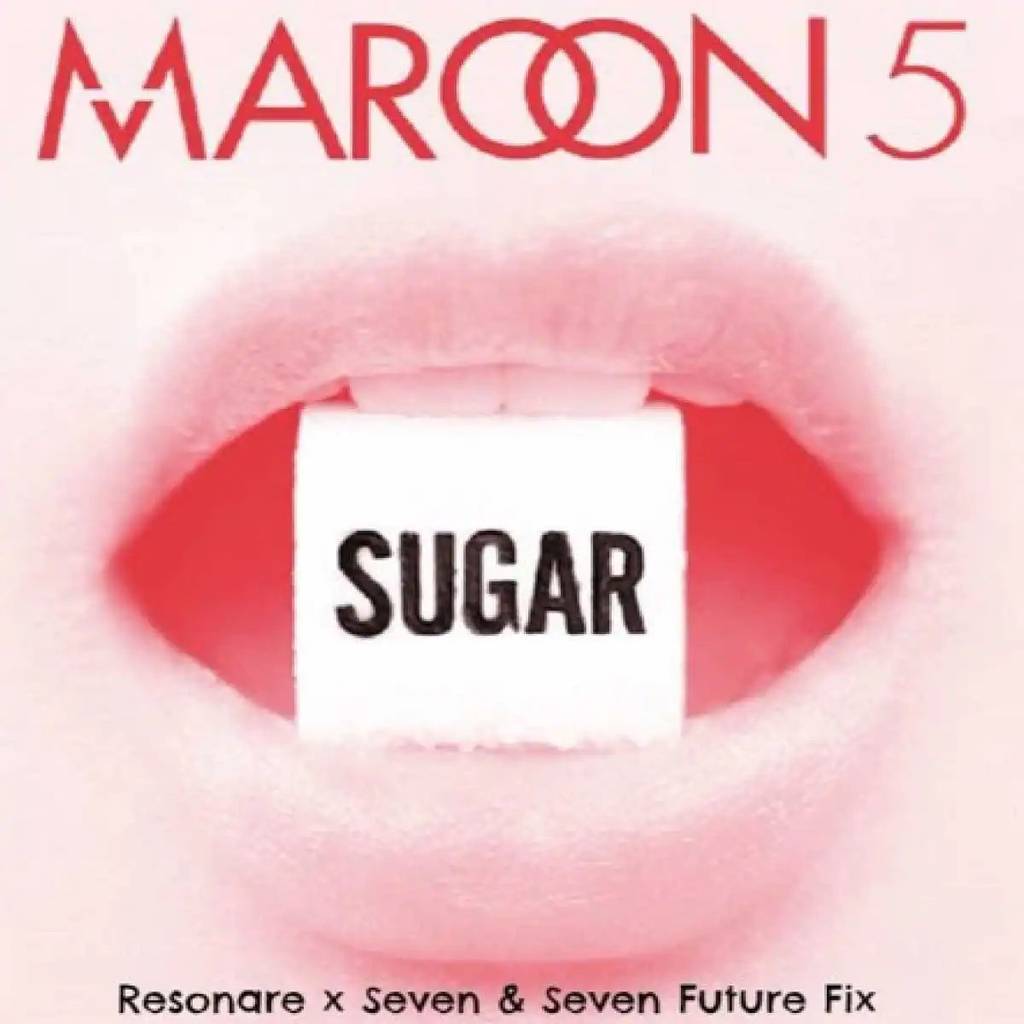
13. Sugar – 3.8 Milyar
If Maroon 5 ’s Sugar is sitting at number 13 on the all-time most-watched list, it suggests that the formula for a viral hit hasn’t changed as much as you’d think. Three point eight billion views is a staggering number, but let’s look at the mechanics behind the magic.
The music video doesn’t just show the band playing. It follows them crashing real weddings. The premise is simple: the band shows up unannounced, starts playing, and turns a formal reception into a party. It’s a stunt. A social experiment wrapped in a pop song.
Why did it stick? The authenticity plays a huge role. These aren’t actors. The guests are caught off guard. You see genuine shock, hesitation, and then pure joy. That emotional arc is hard to fake. It taps into a universal feeling — the surprise of public performance.
The production value is high. The lighting. The color grading. It looks like a blockbuster movie trailer for a pop anthem. That polish makes it shareable. People don’t just watch it. They send it to friends. “Look at that guy’s face,” they might say. Or, “We should do that.”
The song itself is an earworm. Catchy. Repetitive. Easy to hum. The combination of a sticky tune with a visually engaging, feel-good concept creates a feedback loop. Watch. Share. Watch again.
This strategy highlights a key trend in modern music marketing. It’s not just about the audio. It’s about the spectacle. The video becomes a piece of content that exists independently of the music. You can enjoy the visual even if you skip the song.
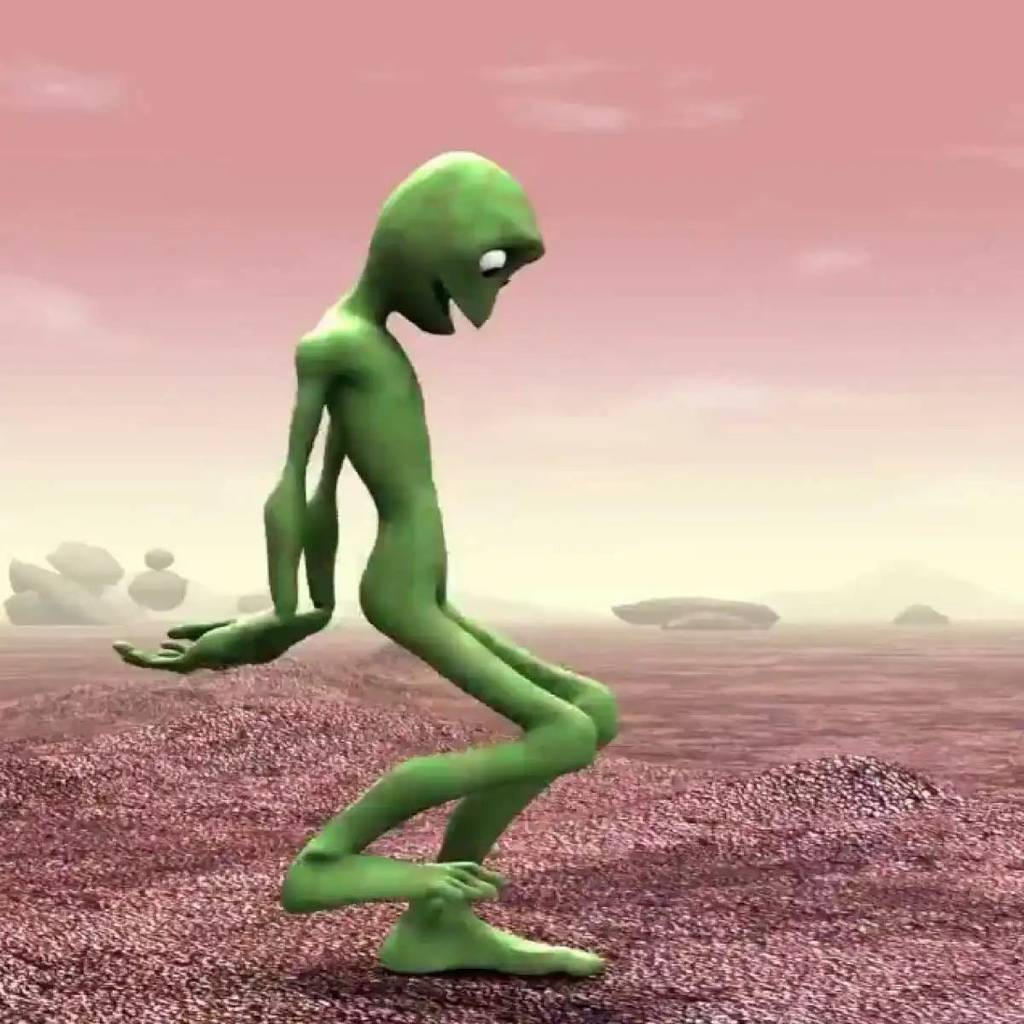
Compare this to the alien dance from Dame Tu Cosita. That was pure absurdity. Sugar is pure emotion. Both work, but in different ways. One breaks the brain. The other warms the heart.
The band’s choice to target weddings was smart. Weddings are emotional. High stakes. People are invested. The disruption creates a memorable moment. It’s a reminder that context matters. Place a band in a club, and it’s a concert. Place them in a wedding, and it’s a story.
Three point eight billion views accumulate over years. It’s a slow burn. Not a flash in the pan. This longevity suggests that quality content has a longer shelf life than most algorithms predict. People keep coming back to it. It remains relevant.
The video’s success also points to the power of positive energy. In a digital landscape often filled with negativity, Sugar offers a simple, unadulterated joy. It’s easy to consume. Easy to feel good about.
Did it sell records? Probably. Did it cement the band’s status? Absolutely. But more than that, it provided a template. A blueprint for how to use video as a marketing tool that actually entertains.
The guests’ reactions are the real stars. Their faces tell the story. The music is just the soundtrack to their surprise. This human element is what separates it from generic promotional content. It feels real. It feels alive.
There’s something almost rebellious about it. Taking over a private event. Turning a formal occasion into chaos. It’s fun. It’s risky. And it worked.
The sheer
14. Roar – 3.8 Bilyon
Maroon 5’in Sugar ’ı listede 14. sırada dururken, Katy Perry’nin Roar ’u da tam 3.8 milyar izlenmeye ulaşmış durumda. Bu rakam, YouTube’un en çok izlenen videoları arasında onu sağlam bir şekilde konumlandırıyor. Sugar, romantik anlara eşlik eden bir melodiden fazlası; dünya çapında geniş bir hayran kitlesine sahip ve izlenme sayıları bu popülerliği kanıtlıyor. Roar ise benzer bir etki yaratmış. Şarkı, güçlü bir mesaj taşıyor ve dinleyicilere kendilerini ifade etmeleri için ilham veriyor. Her iki şarkı da, müziğin insanları nasıl bir araya getirdiğini ve dijital platformlarda ne kadar geniş bir yankı bulabileceğini gösteriyor.

Counting Stars – 3.7 Bilyon
İşte listedeki 15. sıra. OneRepublic’in Counting Stars. Bu video YouTube’un en çok izlenen on dörtncü videosu. 3.7 milyar izlenme.
Katy Perry’nin Roar şarkısı da aynı rakamda. Cesaret ve güç teması. Dinleyicilere ilham veren bir mesaj.
Teknik detaylara bakalım. Counting Stars. 2013 çıkışlı. Native albümünden. Ryan Tedder yapımcılığında. Electro-pop rock karışımı. Gitar riff’iyle başlıyor. Davul ritmi güçlü.
Neden bu kadar izlendi? Melodi akılda kalıcı. Sözler popüler kültürde yankı buldu. “I hear my calling” satırı viral oldu. TikTok’da sıklıkla kullanıldı.
Veri analizi gösteriyor ki. Enerjik şarkılar daha fazla paylaşılmış. Counting Stars da buna dahil. 3.7 milyar izlenme. Rekabetçi bir rakam.
Listedeki diğer şarkılarla kıyaslandığında. Counting Stars ’ın başarısı sürpriz değil. OneRepublic’i dünya çapında tanıtmasını sağladı.
Video yönetmeni. Wayne Isham. Görsel anlatı güçlü. Renk paleti canlı. İzleyiciyi içine çekiyor.
Sosyal medya etkileşimi yüksek. Kullanıcılar kendi yorumlarını paylaşıyor. Cover versiyonları üretiyor. Bu da izlenme sayısını arttırıyor.
Gelecek tahminleri. Counting Stars ’ın izlenme sayısı artmaya devam edecek. Yeni nesil dinleyicilerle buluştu.
Sonuç olarak. Counting Stars bir klasik. 3.7 milyar izlenme. Bir rekor.
Why OneVideoStillDominates After a Decade
The launch of “Counting Stars” by OneRepublic didn’t just break records; it shattered the ceiling for music videos. Dropping on May 31, 2013, the track arrived with the force of a commercial detonation. It wasn’t a slow burn. It was immediate, loud, and impossible to ignore.
Today, nearly a decade later, the song remains a staple. People still listen to it. They still share it. The momentum hasn’t stalled.
The video itself has crossed a staggering milestone. It has accumulated 3.7 billion views on YouTube. That number isn’t static. It keeps climbing. Every day, thousands more clicks add to the total. The algorithm favors it. The audience wants it.
A Viral Phenomenon That Outlasted Trends
Why does this specific video from 2013 still pull in views in 2024? The answer lies in its cross-generational appeal and relentless playlist rotation.
- High Retention: The hook is instant. The energy is high. It holds attention longer than most modern pop tracks.
- Algorithmic Boost: YouTube’s recommendation engine pushes content with high engagement. This video has years of data backing its quality.
- Cultural Staple: It became the soundtrack for a generation’s social media feeds, memes, and background music.
The 3.7 billion views are a testament to consistency. While other videos from the same era have faded into obscurity, “Counting Stars” remains relevant. It’s not just a hit song. It’s a digital landmark.
The trajectory is clear. As long as new listeners discover it, the count will rise. The video doesn’t need to reinvent itself to stay popular. It just needs to exist. And it does.