


A forgotten piece of hardware is coming home to the lunar surface. Not by design. By accident.
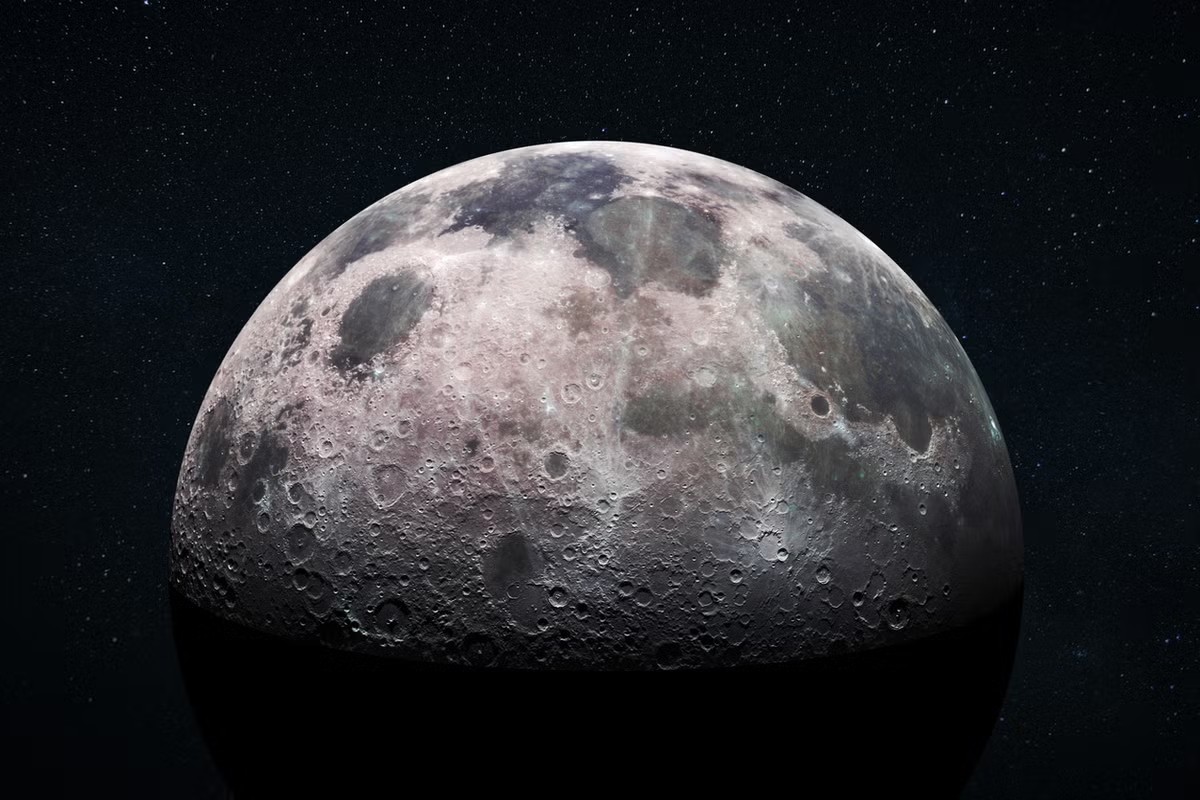
On Wednesday at roughly 2:28 am EST, a discarded SpaceX rocket stage will slam into the Moon near the Einstein Crater. The impact? Roughly equivalent to three tons of TNT. The velocity will hit 5,400 mph. It will punch a hole twenty-seven meters across into the dusty regolith. It will send debris flying into the thin lunar exosphere.
Scientists are watching closely. This is a rare chance to study the Moon’s subsurface. Dust kicked up by the impact may reveal hidden layers of composition. It might tell us what lies beneath the crust. But it is also a grim reminder of a growing problem. Space is getting crowded. We are filling the sky with dead metal.
How and where the impact happens
The crash site is near the Moon’s western limb. Specifically, close to the Einstein Crater. The trajectory was never meant to end this way. The rocket stage carried lunar landers and science instruments to the Moon in January. It delivered them. It was supposed to leave orbit or burn up. It did neither.
For months, it has drifted. Uncontrolled. SpaceX could not stop it. Now, it will hit. The flash itself won’t be visible to the naked eye. You need telescopes for that. But the dust trail might be different. With no atmosphere to slow it down and little gravity to pull it back, the debris could hang around for tens of minutes. Maybe longer. That gives observers a window to study how lunar soil behaves under extreme force.
What we can learn from the crash
Why does this matter? Data. Pure, unadulterated data.
NASA’s Lunar Reconnaissance Orbiter (LRO) will be watching. South Korea’s Danuri spacecraft will pass just two minutes before the collision. They will capture before and after images. They will look for changes in the terrain. Small details. Craters. Scars.
This isn’t the first time a rocket has ended up here. In 2022, a piece of a Chinese spacecraft crashed on the far side. Two craters. Left behind. Nature hits the Moon constantly too. Meteoroids. Always have. But we can’t predict natural strikes. We can predict this one. We can see it coming. We can measure it. That control is valuable. Especially if humans are going back. If we plan to live there, we need to know what dangers lurk in the dark. Space debris. Natural impacts. Both are real. Both are deadly.
The growing debris problem
The rocket stage is big. Twelve meters long. Four thousand five hundred kilograms. It is a heavy object moving very fast. When it hits, it explodes with force. It scatters dust. It changes the surface.
This accidental crash highlights a fragile reality. We are littering our orbital neighborhood. Old rockets. Dead satellites. Broken instruments. It is not just clutter. It is risk. Every piece of junk increases the chance of a collision. Which creates more junk. Which creates more risk. It is a chain reaction we barely understand.
The dust from this crash might coat equipment. It might abrade windows. It might damage solar panels. We need to know how that dust moves. How it settles. How it interacts with future habitats. The answer is buried under three tons of TNT’s worth of energy.
Will we clean up space debris before it becomes unmanageable? Probably not. But we can watch. We can learn. We can try to survive.
The rocket falls. The Moon takes the hit. And we watch from afar. Waiting to see what blows up.


