


The gavel dropped Monday.
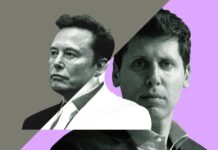
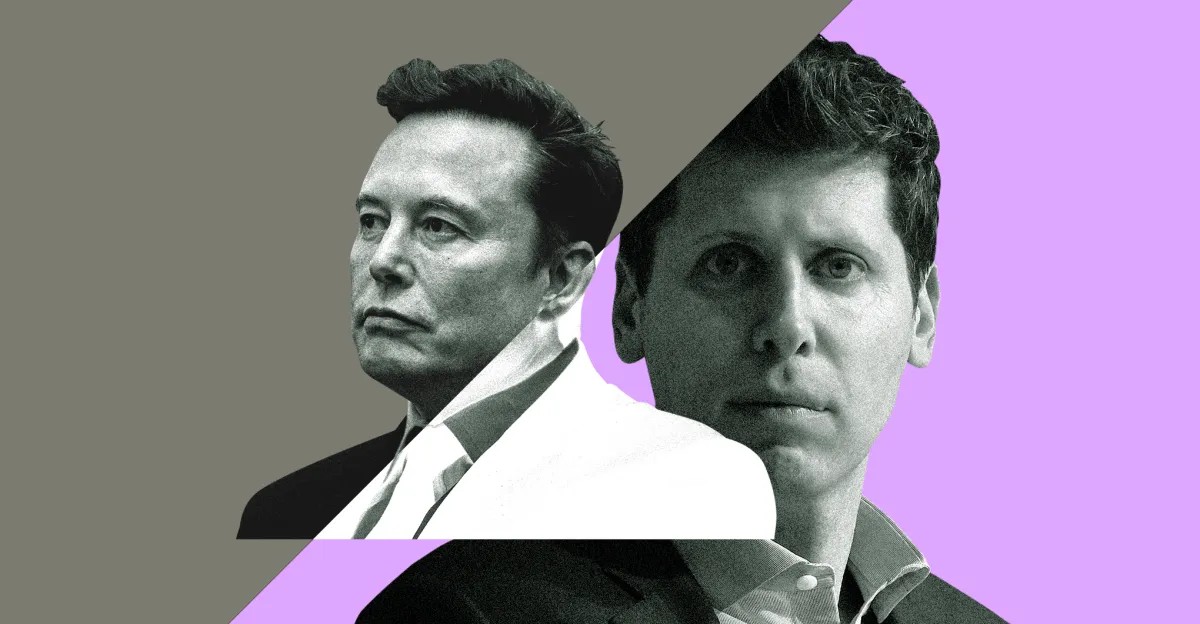
Elon Musk’s lawsuit against Sam Altman ended not with a bang, but a shrug. The jury took two hours. Two hours to dismiss the case on a statute of limitations technicality.
Legally? A null set.
But if you watched the three weeks of testimony leading up to that moment you saw something far more corrosive. A complete absence of trust.
This isn’t about contracts or equity. It is about temperament. The people steering this trillion-dollar ship cannot even talk to each other honestly. They lie. They undermine. They maneuver.
Why are we handing the keys to artificial general intelligence to people who seem incapable of basic integrity?
OpenAI was supposed to be the antidote to Big Tech’s worst instincts. Both Musk and Altman agreed on the founding premise in their testimony: Stop powerful AI from falling into the wrong hands.
Back in 2015 the fear was Google. Specifically DeepMind and its boss Demis Hassabis.
Altman admitted on the stand he’d spent time wondering if anything could actually “stop humanity from developing AI.” His conclusion was grim but pragmatic. He couldn’t stop it. So he wanted “someone other than google” to lead.
His original partners Greg Brockman and Ilya Sütkever were even more paranoid about centralization. They worried one man would seize power. In emails from early in the company’s life they accused Musk of aiming for an “AI dictatorship.” They questioned Altman too. They asked him directly.
“Is AGI truly your primary motivation?” Sutskever wrote. “How does it connect to your political goals?”
The answer, it turns out is complicated. Or convenient. Or false.
The trial laser-focused on “The Blip.” November 2023. Five days. Altman gets fired then rehired.
Sutskever spent over a year building a 52-page indictment. He alleged Altman lied. He said Altman undermined his executives and pitted them against one another. Mira Murati the former CTO testified that Altman claimed his legal team approved skipping safety reviews. She said later that he had lied to her about that claim.
Steven Molo Musk’s attorney leaned on this heavily in closing arguments.
“The defendants absolutely need you to believe Sam,” Molo told the jurors. “If you don’t believe him they cannot win.”
It’s that simple. Trust is the currency here. And the exchange rate has collapsed.
Musk didn’t look clean either.
Now leading his own rival lab xAI Musk came off as just another player obsessed with control. Joshua Achiam now at OpenAI testified that Musk pushed for reckless speeds in the race against Google. Achiam said Musk argued OpenAI’s shift to profit-seeking incentives ignored safety.
Hypocrite.
xAI is also for-profit. Its safety protocols are… loose at best.
Sarah Eddy Altman’s attorney didn’t let it go. She argued Musk didn’t care about openness. He wanted “dominion.”
One observer put it best on X. “If untrustworthiness had mass putting Musk and Altman close together would create a black hole that swallowed the Earth.”
OpenAI declined to comment. Musk posted that he plans to appeal.
It wasn’t just the two titans.
Everyone else looked equally messy. Mirati helped orchestrate Altman’s removal. Then she flipped sides to support his return. She acted “totally uninterested” in clarifying her own role. Shivon Zilisch a close friend and partner of Musk asked if she should stay friendly with OpenAI to “keep info flowing” while hiding her relationship with Musk. Brockman’s own diary entries admitted he knew he hadn’t been honest with Musk.
They were all throwing dirt. Everyone wanted to prove they were the moral guardian of AI.
The result is clear. They aren’t guardians. They’re narcissists with god complexes.
Public sentiment reflects this rot.
Pew Research found in the summer of 2024 that half of US adults feel more concerned about daily AI use than excited. Only 10 percent are excited.
People are worried about jobs. They’re protesting data center construction. There are reports of threats against Altman’s home. Some CEOs have bunkers ready. They are prepping for the apocalypse they might trigger.
Tech messaging says AI empowers you.
Reality checks disagree.
Nearly 60 percent of Americans say they have little to no control over AI’s role in their lives. Regulation? Shaky at best. Government oversight feels distant while these CEOs consolidate power.
The most chilling part? A lack of historical self-awareness.
In March 2015 Altman and Musk drafted a letter together. They sent it to Satya Nadella asking him to co-sign a demand for a new US government agency for AI safety. They called it “the biggest risk to continued human existence.”
Nadella shot it down.
He said executives should push for “federal funding and encouragement” not regulation.
Altman agreed with Nadella immediately. He agreed with Nadella. He changed the letter. The request for a regulator became a conditional maybe. An option “if and when” things looked serious.
They didn’t want oversight then.
They don’t seem to want it now. They just want each other out of the way.
Which leaves the rest of us waiting to see what happens when the people with the launch codes realize no one is actually in charge.