
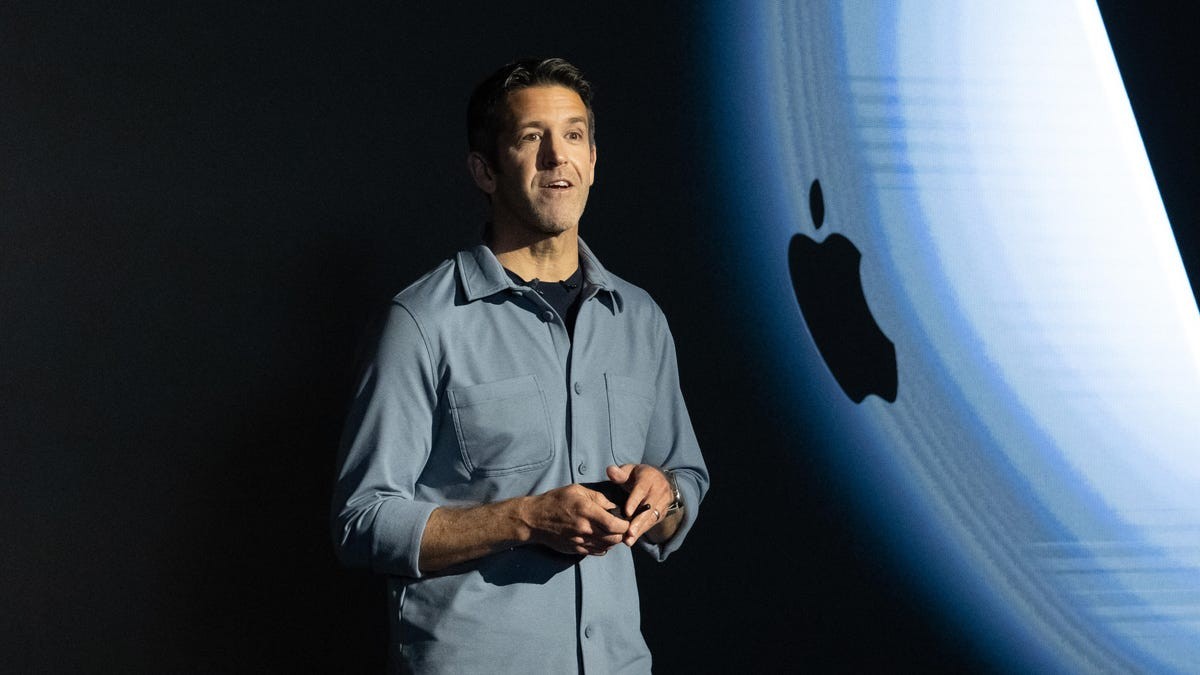
After 15 years of leadership, Tim Cook is stepping down as CEO of Apple. His successor, John Ternus, a veteran hardware engineer, is set to take the helm this September. While the tech industry is currently obsessed with software-driven Artificial Intelligence, Ternus’s background suggests that Apple may approach the AI revolution from a different, perhaps more stable, angle: the physical device.
The AI Gap: Apple vs. The Competition
In the current technological landscape, every major tech player is rebranding as an AI company. Companies like Samsung and Google have aggressively integrated generative tools—such as Galaxy AI and Gemini—directly into their mobile ecosystems.
By comparison, Apple has been criticized for falling behind. While Apple offers foundational AI features like photo editing and text proofreading, its most significant promise—a “smarter” Siri—has faced repeated delays and is now not expected until late 2026. This has led to a perception that Apple is lagging in the race to define the next generation of computing.
The “Secret Weapon” of Restraint
However, Apple’s perceived delay might actually be a strategic advantage. There are several reasons why a slower rollout could benefit the company:
- User Experience: Unlike competitors who are inundating users with “AI sparkles” and unsolicited prompts, Apple has maintained a cleaner user interface. This appeals to consumers who want high-performance tools without constant digital interruptions.
- Hardware Synergy: AI is incredibly resource-intensive. Apple’s custom M-series chips provide the necessary computational power to run sophisticated models locally on devices. As seen with the rise of Nvidia, the success of AI is fundamentally tied to the strength of the underlying hardware.
- Market Sentiment: According to a CNET survey, AI is not a primary driver for smartphone upgrades. Furthermore, there is growing public anxiety regarding the environmental impact of massive data centers and the ethical implications of how AI models are trained.
A Shift in Leadership Philosophy
The transition from Tim Cook to John Ternus marks a significant shift in leadership archetypes:
- Steve Jobs was the Visionary, defining what products should be.
- Tim Cook was the Operator, perfecting global supply chains and manufacturing.
- John Ternus is the Engineer, focused on the precision and capability of the hardware itself.
By selecting a hardware expert rather than a software specialist, Apple’s board is signaling that the company intends to focus on how AI is experienced through physical devices, rather than just the algorithms themselves. While there is speculation about future products like AI-powered smart glasses, the immediate focus will likely remain on optimizing the silicon that makes AI possible.
The Path Ahead
Ternus faces the daunting task of integrating advanced intelligence into Apple’s ecosystem without compromising the brand’s reputation for privacy, stability, and user-centric design. His challenge will be to bridge the gap between cutting-edge software and the premium hardware users expect.
Apple’s decision to appoint a hardware specialist suggests that the company views the AI era not just as a software race, but as a challenge of engineering and device integration.
Conclusion
John Ternus inherits a company at a crossroads, tasked with catching up to AI trends without losing the hardware excellence that defines the Apple brand. His success will depend on whether he can turn Apple’s “hardware-first” philosophy into a competitive advantage in an increasingly software-driven world.