




The rumor mill is chewing loudly right now. Why? Because Apple is messing with its schedule. And nobody knows how they feel about that yet.
The iPhone 18 line-up is shaping up to be weird. Complicated. Maybe the most consequential rollout since the original came out nearly two decades ago. But “weird” isn’t usually how you describe Apple’s yearly updates. Or is it?
Splitting the difference
Forget the big September bang. For a moment at least.
Reports suggest Apple might drop the heavy hitters — the Pro, the Pro Max, and that mysterious foldable — in the fall of 2026. Then wait six months. Bring out the standard iPhone 18. The 18E. Maybe a second-gen Air. In the spring of 2027? That would be a seismic shift. It changes the upgrade calculus completely.
The iPhone Fold isn’t a pipe dream anymore. It’s coming. And it’ll start at $2,000 or more.
Apple is desperate to build hype for that folding screen. The “iPhone Ultra.” Whatever they call it. They need the world to look past the slight edge they have over Samsung globally and ignore how far back they are to Chinese giants like Xiaomi. This launch carries weight. Too much weight? Maybe.
Shrinkage and glass
Design-wise? Boring. Safe. Predictable.
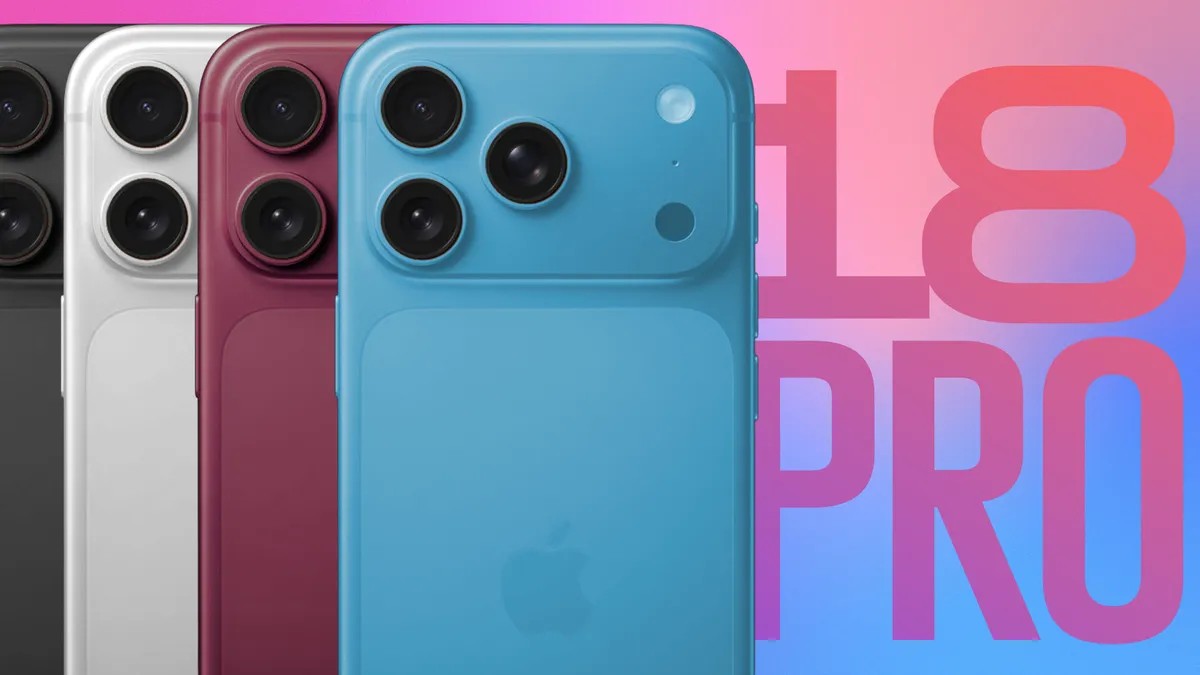
Screen sizes stay the same. 6.3 inches for the standard. 6.9 for the pros. The real talk is about the back. Rumors say the base model gets a smaller camera bump. The Pros keep their wide “plateau” for those three lenses. There’s even talk of a unified look — no more two-tone backs on the Pros. A subtle transparent finish on the rear glass. New colors? Light blue. Dark cherry. Dark gray. Coffee brown? Dead. Gone. Scraped off the table.
The Dynamic Island, however, is shrinking.
Gurman says smaller. Leakers on X agree. Ice Universe claims it could be 35% narrower on the Pro models. The goal? Put the Face ID sensors under the screen. Move the front camera to the corner. Keep the cutout but make it barely noticeable. Some say full under-screen tech. Others say only partial. It matters less what it is than what it does — it makes the screen feel bigger. It doesn’t. It just removes a rectangle.
Under the hood
Batteries. Everyone wants bigger batteries. Apple listened last year. Will they do it again?
The iPhone 18 Pro might sport over 5,000mAh. More if you ditch the physical SIM. US models could get more juice than China models just because of space constraints. It’s petty engineering, but it works. Patrick Holland’s battery tests showed the last Pro held its own against 34 other phones. Keeping that momentum? Critical? No, but it helps.
Cameras might finally get mechanical. Not just computational.
A variable aperture on the Pro Max? Yes. Like the S9 had. Or the Xiaomi Ultra tried before giving up on it. It allows for real depth-of-field control. Better low light on telephoto lenses too. The selfie cam? Upgraded to 24 megapixels for every model except the entry-level E. Square sensors. Center Stage still works. It always does.
Powering this mess is the A20 chip. Built using a new Wafer-Level Multi-Chip Module process. RAM stuck directly onto the wafer. Faster. Efficient. Tighter integration.
Or… maybe not.
Some say the standard 18 will be downgraded. Closer to the E model. Cheaper to build. Less to sell. RAM costs are skyrocketing. “RAMageddon.” Tim Cook warned us. Prices already hiked on Macs. iPads. TVs. Don’t think phones are immune.
The cost of living
Apple raised prices before they even showed the new phones. Smart business. Painful consumer math.
If the standard iPhone needs 9GB of RAM to run iOS 27’s new AI features (and let’s hope that’s enough), and chips are expensive, guess what happens at the register? It goes up. Always.
The Pro models might stay flat. The base model? Riskier.
Then there’s the Google problem. Gemini is powering Siri now. That’s fine. It’s fine. Is it?
Spring fever or just cold feet
If the launch splits into two halves, what does that mean for the average user?
You buy a Pro now. Or you wait seven months. You save money on the standard model later. Or you hate the wait. The foldable is a distraction. A flashy one. $2,000+ is a lot for a screen that bends. Do people want that? Apple hopes so. The market isn’t sure.
We’ve seen under-display cameras before. They suck. Mostly. Blurry selfies. Ghosting. But if Apple pulls off a clear front-facing shot while keeping the Dynamic Island tiny… well, that’s the dream. It hasn’t happened yet. Can they fix it?
We don’t know. Nobody really knows.
The pieces are there. A better battery. A smaller island. A foldable phone that costs more than a used car. The release date is a guess. The price tag is a promise. And the rest?
Well. Let’s wait for September.