


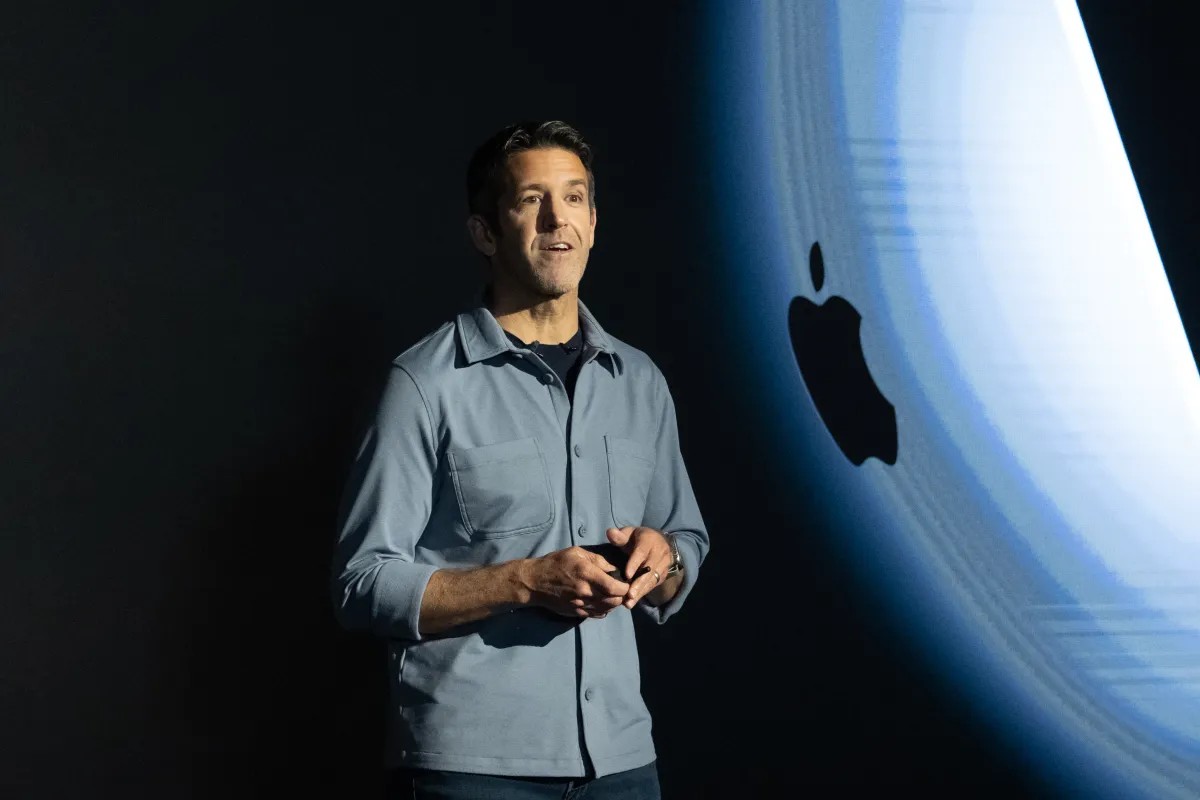
After a 15-year tenure, Tim Cook is preparing to step down, passing the torch to John Ternus on September 1. While Ternus has been a cornerstone of Apple’s leadership for years, he has largely operated behind the scenes, far from the public spotlight. His appointment marks a significant transition for one of the world’s most valuable companies, signaling a move toward a leader deeply rooted in Apple’s engineering DNA.
A Career Built on Precision
Ternus is not a newcomer to the Apple ecosystem. At 51, he has spent 25 years with the company—nearly half of his life. His journey began in 2001, shortly after college, when he joined the product design team.
His ascent through the ranks has been steady and defined by increasing technical responsibility:
– 2001: Joined the product design team.
– 2013: Promoted to Vice President of Hardware Engineering.
– 2021: Promoted to Senior Vice President (SVP).
As SVP, Ternus has overseen the hardware development of some of Apple’s most iconic and innovative products, including the AirPods, Apple Watch, and the Vision Pro. Perhaps most critically, he played a vital role in Apple’s massive technical pivot: the transition from Intel processors to proprietary Apple Silicon.
The Philosophy of Craftsmanship
Ternus’s leadership style appears to be a blend of extreme technical rigor and a philosophy of “hidden excellence.” He often cites Steve Jobs’ obsession with craftsmanship as a guiding principle—recalling how Jobs admired furniture makers who finished the backs of chests as beautifully as the fronts, even though they would never be seen.
This attention to detail is evident in Ternus’s own history. He once recounted spending a midnight shift at a supplier facility, using a magnifying glass to count the grooves on a screw to ensure they met exact specifications. This “perfectionist” mindset is a core component of the Apple brand, and Ternus seems to be the guardian of that standard.
In his recent commencement speech at the University of Pennsylvania, he emphasized a balance of confidence and humility :
“Always assume you’re as smart as anyone else in the room, but never assume that you know as much as they do… you’ll find the confidence you need to push forward, but more importantly, the humility to ask questions.”
Looking Ahead: The Challenges of Leadership
Ternus is 15 years younger than Tim Cook, a fact that suggests Apple is positioning itself for long-term stability and continuity. However, his tenure will not be without significant hurdles. As CEO, he will be tasked with navigating several critical frontiers:
- The AI Race: Apple must accelerate its integration of artificial intelligence to remain competitive in a rapidly evolving software landscape.
- Spatial Computing: He will need to determine the long-term commercial viability and evolution of the Vision Pro ecosystem.
- Hardware Innovation: Following the recent launch of the MacBook Neo—a device designed to balance affordability with Apple’s quality standards—Ternus must continue to find ways to innovate within tighter cost constraints.
Summary
John Ternus represents a “product-first” leadership model, moving from a meticulous engineer to the helm of a global giant. His success will depend on whether he can maintain Apple’s legendary hardware standards while aggressively tackling the new challenges of artificial intelligence and spatial computing.