



The fitness wearable market is shifting toward a more discreet, “invisible” approach to health monitoring. While smartwatches dominate the headlines, a growing segment of users prefers devices that focus on data collection without the constant distraction of a screen. Google appears to be making a major move into this niche with a new, unannounced Fitbit device.
The Steph Curry Tease
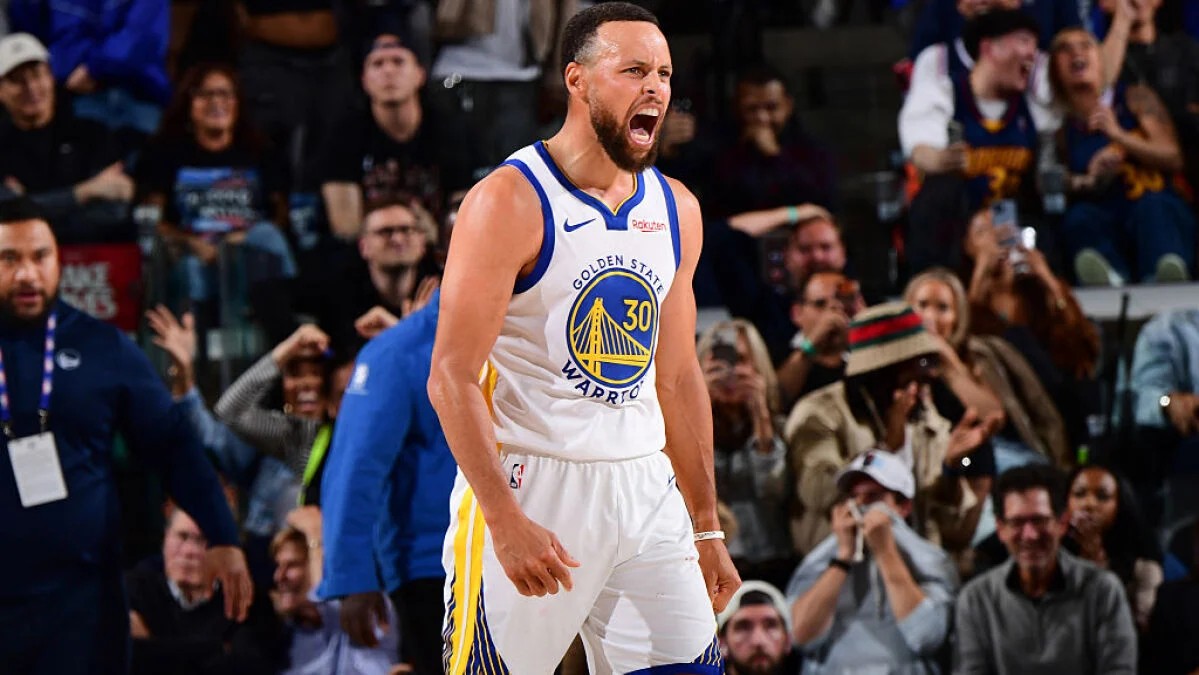
NBA superstar Steph Curry has been acting as an unofficial brand ambassador for what is rumored to be Google’s next big wearable. Through recent sponsored Instagram posts, Curry has teased a mysterious wrist-worn device, cryptically telling followers, “I won’t spoil it. You kinda have to see it for yourself.”
Curry has been spotted wearing the device in public for several months. High-resolution photos from recent NBA games reveal a sleek, grey-and-orange fitness tracker that lacks any visible display.
What We Know So Far
While Google has not officially launched the product, industry reports and sightings provide a clear picture of its direction:
- Screenless Design: Unlike the Google Pixel Watch or traditional Fitbit models, this device is built without a screen. This design choice prioritizes long battery life and reduces “screen fatigue,” making it an ideal tool for continuous 24/7 monitoring, including sleep.
- The “Whoop” Competitor: The device is being positioned as a direct rival to Whoop, a popular subscription-based tracker known for its focus on recovery and performance metrics rather than notifications and apps.
- AI-Powered Coaching: According to reports from Bloomberg, the hardware will be paired with an AI-powered personal health coach integrated into the Fitbit app, providing users with actionable insights based on their biometric data.
- Subscription Model: Much like its competitors, this new Fitbit is expected to feature a paid subscription tier to unlock advanced health analytics and personalized coaching.
Why This Matters: The Shift Toward “Ambient” Tech
This development highlights a significant trend in the wearable industry: the move from active interaction to passive monitoring.
Traditional smartwatches are designed to demand attention through vibrations, lights, and notifications. In contrast, screenless trackers like this one aim to be “ambient”—they sit in the background of your life, quietly gathering data on heart rate variability (HRV), sleep stages, and strain, only delivering insights when you check your phone. By removing the screen, Google is targeting high-performance athletes and wellness enthusiasts who want deep data without the digital noise of a smartwatch.
Looking Ahead
While a specific release date remains unconfirmed, Bloomberg suggests a launch later this year. Given Curry’s consistent public appearances with the device, a formal announcement could be imminent.
The move signals Google’s intent to dominate not just the “smartwatch” category, but the more specialized, data-centric world of high-performance health tracking.
Conclusion
Google is poised to challenge the dominance of specialized fitness trackers by combining discreet, screenless hardware with advanced AI coaching. If successful, this device could bridge the gap between casual fitness tracking and professional-grade biometric analysis.