



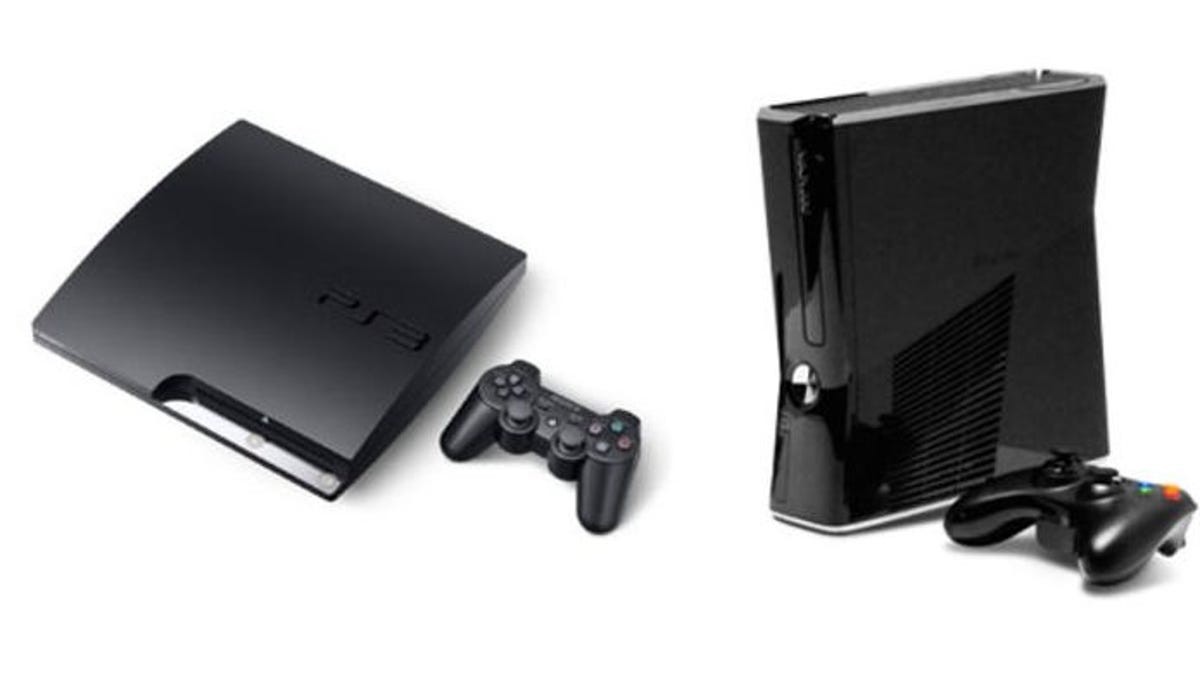
GameStop, the leading video game retailer, has officially reclassified the Xbox 360, PlayStation 3, and Wii U as “retro consoles,” a move that highlights how rapidly gaming technology evolves. The decision, announced Monday, effectively categorizes these seventh- and eighth-generation systems as historical artifacts within the gaming industry.
Defining “Retro” in a Changing Landscape
The concept of “retro” in gaming is subjective. Debates range over whether the shift to 3D graphics, the rise of online multiplayer, or the introduction of digital outputs should determine a console’s retro status. GameStop’s move underscores that the definition is fluid, and retailers can now set their own criteria.
The company’s statement jokingly cited factors like the prevalence of component cables (now largely obsolete), the inability to run Fortnite (a modern gaming staple), and the fact that these consoles launched during the George W. Bush presidency as key indicators. While partially tongue-in-cheek, the point stands: these consoles represent a distinct era in gaming history.
Why This Matters
The reclassification isn’t just about nostalgia; it reflects the accelerated pace of technological change. The Xbox 360 and PlayStation 3 are approaching their 20th anniversaries, making them as “retro” as many earlier systems. The lack of compatibility with modern hardware and software further solidifies their status as relics of a bygone gaming age.
“The ruling was reached following careful analysis of multiple indicators… [these consoles] launched when George W. Bush was still president,” GameStop’s statement reads.
Trade-In Incentives and Policy Changes
To coincide with the reclassification, GameStop launched a limited-time trade-in promotion. Consumers who bring in an Xbox 360, PS3, Wii U, or older equipment will receive an extra 10% in trade-in credit until March 21.
The company has also relaxed its trade-in policy for retro consoles, now accepting even defective units as long as they power on, regardless of missing accessories or cosmetic condition. This suggests GameStop intends to capitalize on the growing market for older gaming hardware.
The move by GameStop isn’t just a label change; it’s a clear sign that the gaming landscape is constantly shifting, and what was once cutting-edge quickly becomes a part of gaming history.