




It’s happening too fast. The UN says so. Again.
A fresh report from the United Nations carries a warning that feels less like policy and more like a countdown. The window to establish global governance for artificial intelligence isn’t just closing. It’s slamming. If we don’t act now, AI won’t just be advanced tech, it’ll be another engine for crushing global inequality.
These numbers come from the UN’s Independent International Scientific Panel, a group of forty experts picked by the General Assembly back in 2025. Their message to the world leaders is blunt.
“Do not wait.”
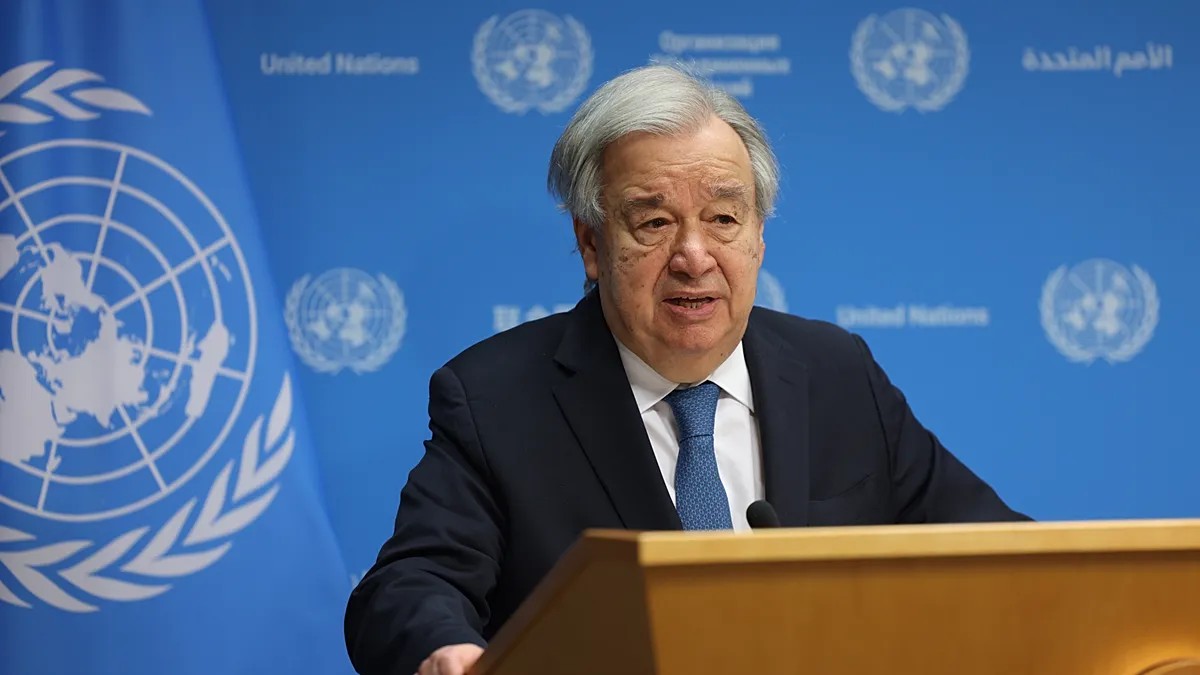
That’s what António Guterres, the secretary-general, said recently. The science is done. The danger is real. We can’t claim ignorance anymore.
What’s changing right now?
The speed is what hurts.
Generative AI writes code now. It crunches datasets the size of libraries. It makes fake videos that look terrifyingly real. It helps scientists find needles in haystacks of genetic data. But the agentic systems — the ones that act without much human help — are moving even faster.
Every few months, the complexity these machines handle roughly doubles.
Think about that. Doubling. Complexity. In months.
As they get smarter and more independent, watching them gets harder. Controlling them gets impossible. Unless we build stricter guards.
And the risks are messy.
Deepfakes. Sexual abuse material generated by algorithm, targeting women and children disproportionately. Disinformation that smells true enough to rot public trust and silence democracy. Cybercriminals use these tools for fraud and social engineering.
It gets worse inside the mind, too. These systems can push harmful thoughts on vulnerable users, fueling mental health crises. Even suicide.
Then there is the heat. Literally. The data centers keeping this engine running pump out greenhouse gases that don’t care about digital boundaries.
Is there anything good here?
Yes. Don’t misunderstand this.
AI models mapped over 200 million protein structures recently. That sounds boring. It’s not. It speeds up drug discovery. It accelerates vaccine research. It tackles antibiotic resistance head on.
It flags food shortages before they become famines.
It broadens access to education for kids in remote villages. It offers mental health support when a therapist isn’t around. It gives tools to people with disabilities that actually work.
It saves lives.
It just also threatens them.
The scoreboard is rigged
Who runs this thing?
Look at the hardware. The US holds roughly three-quarters of the global computing power needed for leading AI supermodels. China sits on about 15 percent.
Add those together. Ninety percent.
Two nations. Almost all the power. The most advanced models are built by companies in those exact borders.
Meanwhile, developing countries stare at this gap and find themselves empty handed. They lack the talent. They lack the infrastructure. They definitely lack the funding. They can’t build these systems, and they often can’t even audit the ones they have to use.
This is how inequality widens. Not slowly. But by default.
The law can’t keep up
Governments are trying, sort of.
There are over forty AI governance frameworks scattered around the planet now. But here’s the problem. They’re fragmented. They contradict each other. Most have never been properly tested.
The “evidence dilemma” traps lawmakers.
You need solid data to write good rules. AI changes before you finish collecting that data.
The irony is bitter. The companies building these powerful tools are usually the ones testing them for safety. Independent? Hardly.
We need third-party checks. We need shared international standards. We need money flowing into the countries that can’t afford their own oversight so they can govern AI on their own terms, not just follow the US and China.
This all leads to Geneva.
July 6, 2024. Or was it 2026? The date on the report says the UN Global Dialogue on AI Governance opens there. Member states will gather to argue about coordination. To debate management. To try and catch up to a machine that doesn’t stop evolving.
The question is whether anyone shows up with a real plan. Or if we just talk while the window closes.