



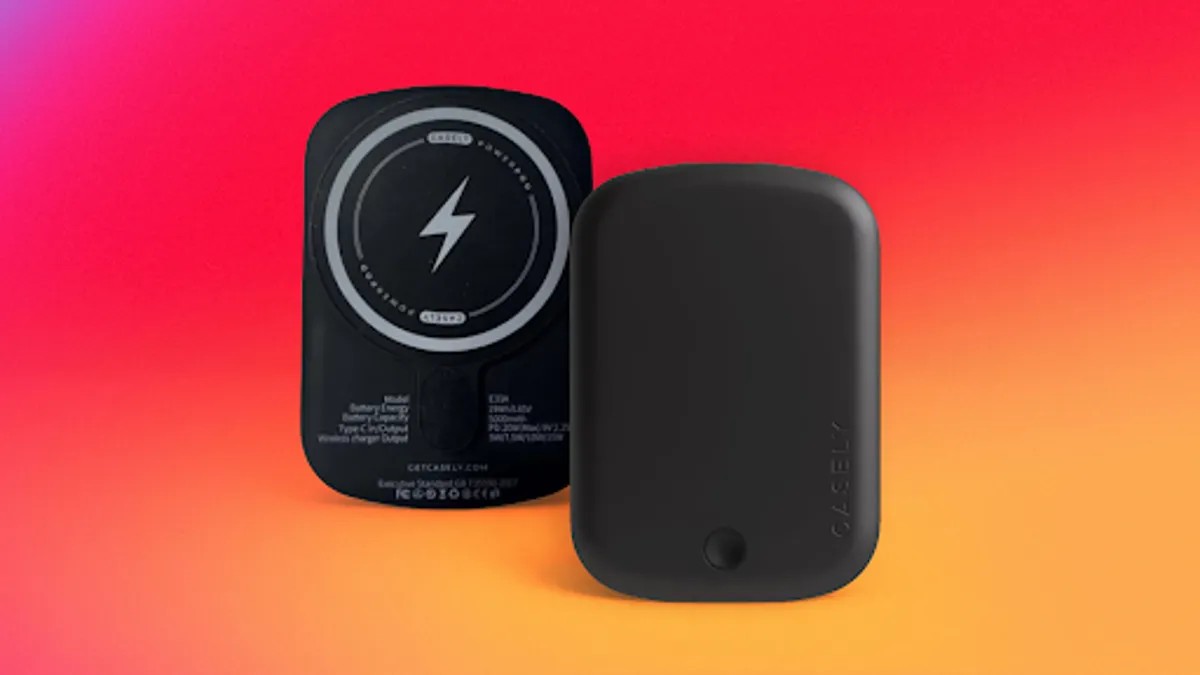
Mobile accessory manufacturer Casely has issued a new recall for its 5,000-mAh MagSafe Power Pods (model number E33A) due to severe fire and burn hazards. This action follows a previous recall a year ago, highlighting a recurring safety issue with the device.
The recall affects approximately 429,200 units manufactured in China and sold between March 2022 and September 2024. The risks associated with these power banks are not merely theoretical; the U.S. Consumer Product Safety Commission (CPSC) reports that the device has already been linked to a fatality involving a 75-year-old woman.
Escalating Safety Concerns
Since the initial recall in April 2025, the situation has worsened. The CPSC has documented 28 additional incidents of overheating and fires, one of which occurred during a flight.
The frequency of these incidents has prompted broader changes in the travel industry. For instance, Southwest Airlines is set to implement new restrictions starting April 20, limiting passengers to a single portable battery per flight and strictly regulating how and where those devices can be stored or charged.
The Science Behind the Risk: Why Lithium-Ion Batteries Fail
The Power Pods utilize lithium-ion technology, the industry standard for everything from smartphones and laptops to electric vehicles. While these batteries are prized for being energy-dense and cost-effective, they possess inherent chemical vulnerabilities.
According to Burcu Gurkan, a professor of chemistry at Case Western Reserve University, the danger lies in the battery’s internal structure:
- Short Circuits: If the internal separators—the layers that keep components apart—are too thin or damaged, components can touch, causing a short circuit.
- Thermal Runaway: A short circuit generates intense heat. Because these batteries contain flammable organic components (such as carbonate electrolytes), this heat can trigger a self-sustaining combustion or even an explosion.
- Manufacturing Flaws: Imperfections during the production stage can lead to faulty cells that are prone to instability.
Looking Toward Safer Solutions
The recurring nature of these recalls—seen not just with Casely but also with major brands like Anker—underscores a systemic challenge in battery manufacturing. To mitigate these risks, the industry and scientific community are pursuing several paths:
- Material Innovation: Researchers like Professor Gurkan are working to develop alternative electrolytes that are non-flammable to replace current hazardous materials.
- Advanced Diagnostics: The industry is investing in better predictive tools to detect cell instability before a fire occurs.
- Consumer Vigilance: Until new technologies are standardized, safety relies on avoiding recalled products and monitoring devices in extreme climates or high-risk environments like airplanes.
Immediate Action Required: Casely and the CPSC advise all owners of the E33A Power Pod to stop using the device immediately. Users can request a free replacement by submitting a claim through the official Casely website.
Conclusion: The Casely recall serves as a stark reminder of the volatile nature of lithium-ion technology. While these batteries power our modern lives, manufacturing defects and chemical instability continue to pose significant safety risks that require both stricter regulation and scientific innovation.