



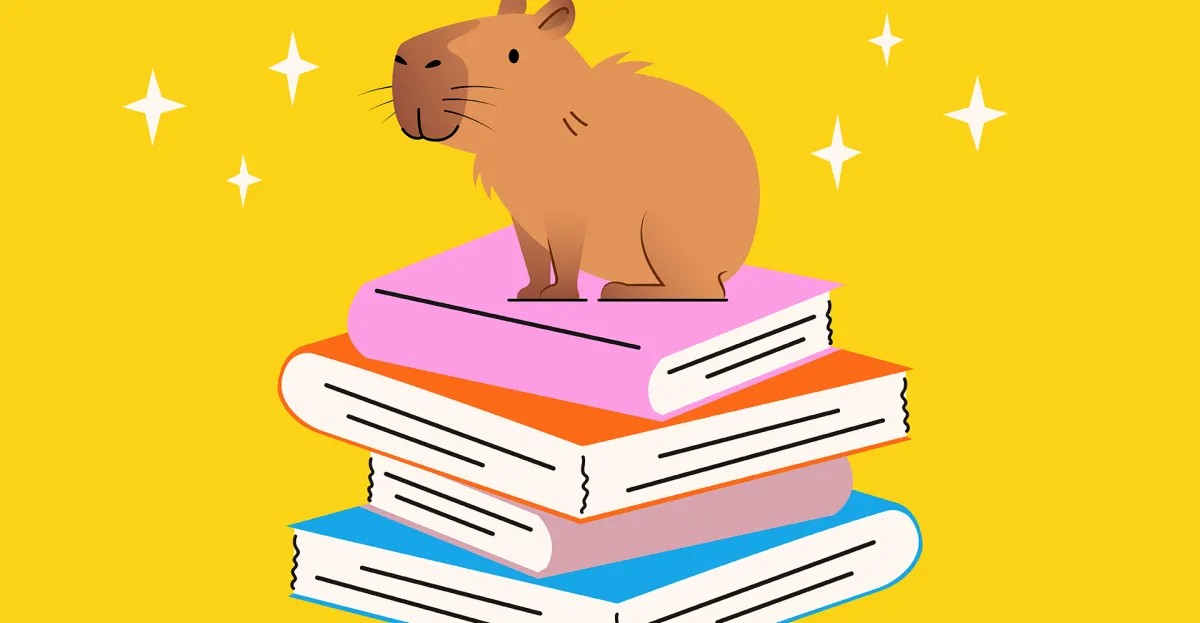
The Scholastic Book Fair remains a cultural touchstone for many millennials and Gen Z readers, evoking nostalgia for childhood bookstore trips in school auditoriums. But today’s fairs feature a surprising star: the fuzzy capybara diary. These journals consistently rank among the most popular items, selling over 4 million copies annually – a sign of changing times in children’s literacy.
The Rise of the Fuzzy Capybara
According to Laura Lundgren, Scholastic’s chief marketing officer, kids are “obsessed” with these diaries. Their popularity comes at a moment when reading rates among children are declining, with only 14% of 13-year-olds reading for pleasure daily – the lowest ever recorded. However, the capybara journal’s success may signal a hopeful trend: an enduring desire for self-expression in an increasingly digital world.
The capybara’s appeal isn’t accidental. The animal has surged in popularity in recent years, fueled by viral videos of its laid-back antics. Scholastic intentionally leans into the “joy” and “fuzzy” appeal, recognizing that kids respond to tactile experiences. The journals, including variants like unicorns and Stitch, feel special and personalized, unlike typical school supplies.
Beyond Books: Encouraging Reluctant Readers
Scholastic Book Fairs aim to invite kids into reading, even those who don’t identify as readers. Non-book items like journals have always been part of the mix, and the capybara diary is designed to appeal to reluctant readers. The goal isn’t to feel like homework; it’s to create an inviting, joyful experience.
The Resurgence of Handwriting
The capybara diary’s appeal coincides with a renewed interest in handwriting. While cursive was removed from Common Core standards in 2010, many states are now reinstating it, with some schools even establishing cursive clubs. Experts note that writing by hand improves learning and retention, and can aid spelling through repetition.
The tactile nature of the journal may unconsciously encourage this practice, offering a physical alternative to digital expression. It’s a reminder that in a world dominated by AI, kids still value tangible experiences.
A Space for Private Thoughts
Beyond the cute exterior, the capybara diaries often feature locks, providing a sense of privacy. Anthony Angelillo, recalling his own Scholastic Book Fair experiences, notes that the locks made the journals feel secret. In an age of social media and adult surveillance, kids crave spaces that are just for them. The capybara diary may provide that space, offering a refuge for personal thoughts.
“Kids probably aren’t thinking about literacy skills when they pick up a fuzzy capybara at the book fair. But they may be thinking about the next thing they want to write or draw, which feels like a hopeful sign in a time of concern about AI killing kids’ creativity.”
The capybara’s takeover of the Scholastic Book Fair isn’t just about a trendy animal. It’s a reflection of broader trends in childhood literacy, digital engagement, and the desire for private expression.
Ultimately, the fuzzy capybara diary represents a surprising intersection of nostalgia, literacy concerns, and the enduring appeal of tactile experiences in a digital age.