






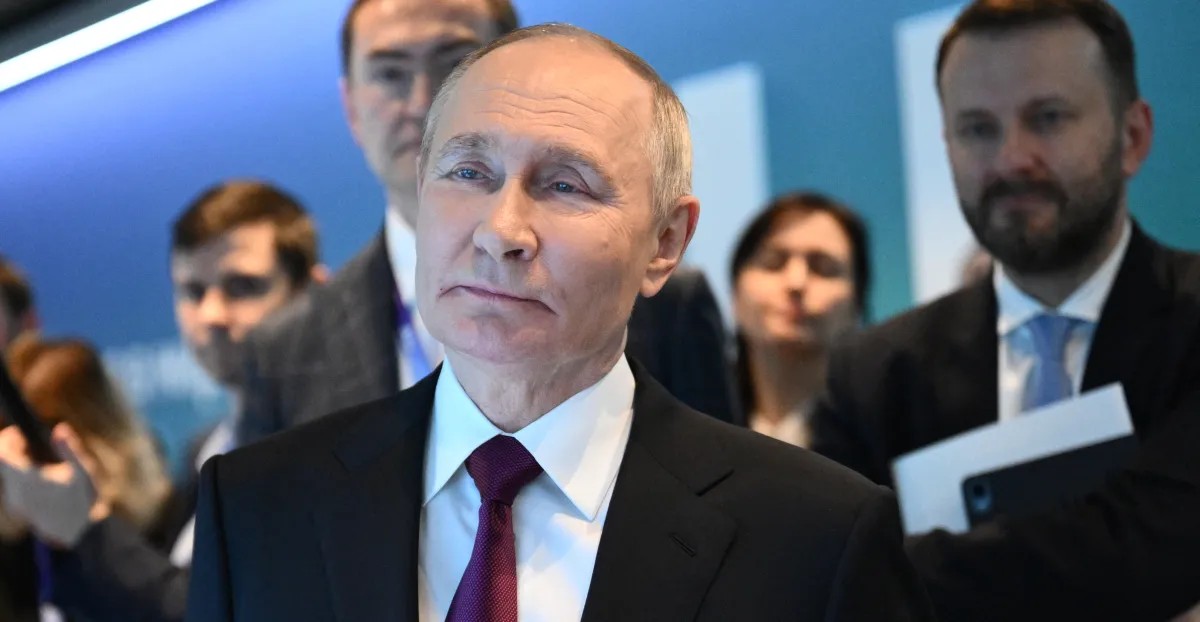
The search for a peace deal in Ukraine is stalled, not by the lack of proposals, but by the unyielding demands of Vladimir Putin. Initial negotiations, starting with a 28-point plan, have been revised to 19 points in an attempt to find common ground. However, the core issue remains: Putin appears unwilling to compromise on fundamental objectives.
The Shifting Landscape of Negotiations
President Trump’s efforts to broker a deal have met with resistance from both sides. Ukraine initially deemed a heavily Russia-favored plan “one of the most difficult moments in our history,” but has since signaled acceptance of revised terms, including stronger security guarantees. The Kremlin, however, has issued a stark warning: any deviation from the understanding reached with Trump in August – which included Ukraine ceding control of the Donbas region – will render the situation “fundamentally different.”
This dynamic reflects a broader trend. The US can exert leverage over Ukraine through military aid, pushing Zelenskyy to engage despite shifting American stances. But Putin operates from a different calculus. He has little need for outside pressure and is prepared to continue the conflict indefinitely.
Why Putin Will Not Stop
The central question is whether Putin will accept any peace deal at all. The answer, according to Ukrainian officials, is a resounding no. Former Foreign Minister Dmytro Kuleba stated bluntly that lasting peace between Russia and Ukraine is impossible as long as Putin remains in power. Even a ceasefire, in this view, is merely a temporary pause before renewed aggression.
The original 28-point plan, though perceived as a Kremlin wish list, still included concessions that Putin might have reluctantly accepted: Ukraine maintaining a substantial army, Russia relinquishing control of certain occupied regions, and only de facto recognition of annexed territories. The new, more favorable-to-Ukraine deal is even less likely to satisfy him.
Putin’s long-term vision is not simply territorial gains. He sees an independent Ukraine as an existential threat to Russia’s future. He views the conflict as a generational struggle, not a crisis with a quick fix.
The Stalemate on the Ground
Despite slow but consistent Russian advances, the war remains a grinding stalemate. Russia has captured an additional 1% of Ukrainian territory in 2025, but at a staggering cost: an estimated 200,000 casualties. At the current rate, conquering the remaining Donbas region will take until at least August 2027.
Yet, Putin believes he is winning. He is willing to accept a slow burn, as long as it moves toward his ultimate goal. This disconnect in timelines is critical. While Washington operates on short-term political cycles, Putin thinks in centuries.
The Impasse and the Future
There’s no immediate tipping point in sight. Russia could seize the remaining Donbas, or Zelenskyy could be removed from power, but neither guarantees a decisive resolution. The war may drag on until Putin leaves office, which, under current laws, isn’t until 2036.
The regime appears stable despite internal pressures, and hopes for its collapse are not a viable strategy. Putin’s willingness to sacrifice Russian blood and treasure indefinitely means that even Trump may not be able to force him into a deal.
The reality is grim: as long as Putin remains in power, a lasting peace in Ukraine is highly improbable. The conflict is likely to continue as a civilizational struggle, with no end in sight.