


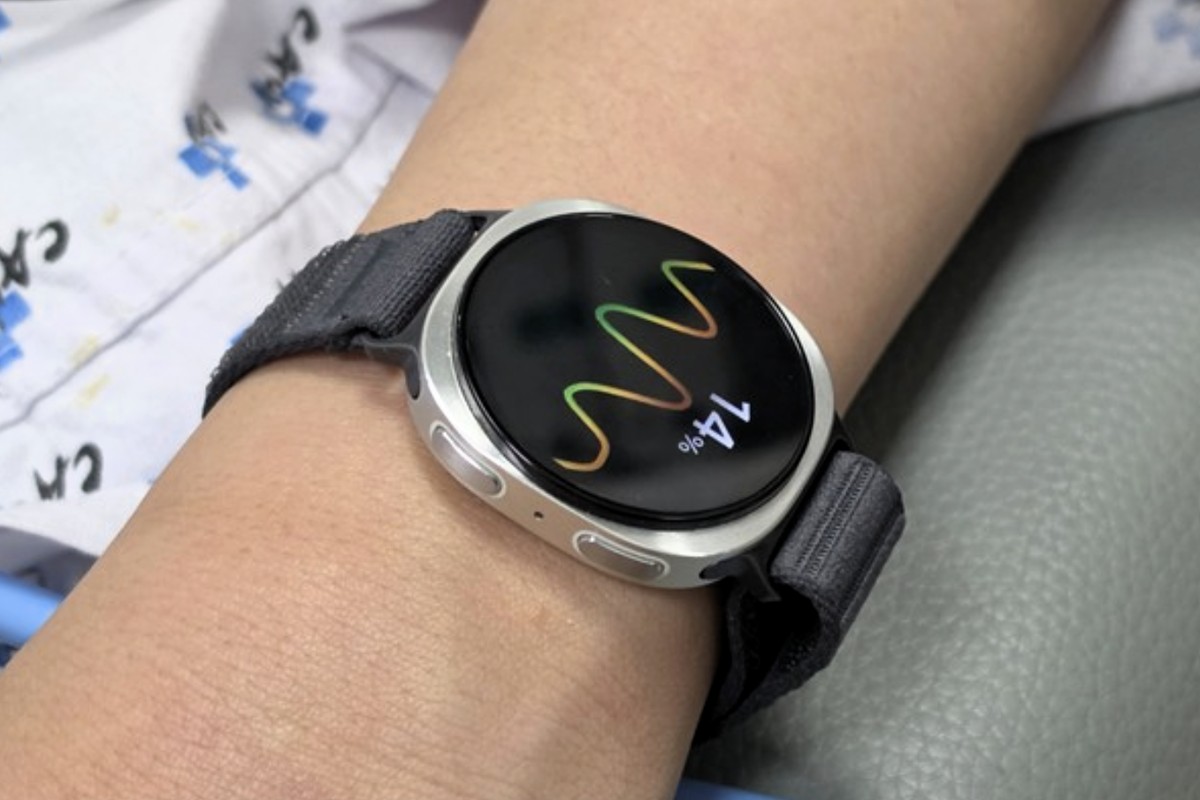
A groundbreaking clinical study has demonstrated that consumer-grade smartwatches can predict impending fainting episodes with high accuracy, marking a significant leap in preventative health technology. Researchers at Chung-Ang University Hospital successfully developed a real-time warning system using the Samsung Galaxy Watch 6, capable of alerting users up to five minutes before a vasovagal syncope event occurs.
How the Technology Works
The core of this innovation lies in the integration of standard wearable sensors with advanced artificial intelligence. The study utilized the photoplethysmography (PPG) sensor found in the Galaxy Watch 6 to continuously monitor heart rate variability. This data was then processed by a custom AI algorithm designed to detect subtle physiological shifts that precede a loss of consciousness.
Key findings from the clinical trial include:
- High Accuracy: The system predicted fainting episodes with over 80% accuracy.
- Early Warning Window: Alerts were generated up to five minutes before the event, providing a critical buffer for action.
- Real-World Validation: The study involved 132 patients, ensuring the data reflected real clinical scenarios rather than just controlled lab conditions.
Why Early Detection Matters
Vasovagal syncope, or fainting, is more than just a momentary loss of consciousness; it carries significant physical risks. When a person faints unexpectedly, they often fall, leading to secondary injuries that can be severe or even life-threatening.
“It’s not uncommon for syncope patients to suffer trauma from falls, and in extreme cases, some experience severe injuries such as fractures or cerebral hemorrhage,” explained Professor Junhwan Cho, lead researcher and cardiologist at Chung-Ang University Hospital.
The primary value of this technology is not just in diagnosis, but in prevention. A five-minute warning allows patients to:
1. Sit or lie down immediately to prevent falls.
2. Call for assistance if they are alone.
3. Avoid dangerous activities like driving or operating machinery.
This capability could dramatically reduce the incidence of secondary injuries, transforming how syncope is managed from reactive treatment to proactive safety.
Shifting Healthcare from Reactive to Preventative
This research highlights a broader trend in digital health: the transition from monitoring health after an incident to preventing incidents before they happen.
Jongmin Choi, head of Samsung’s health R&D, emphasized this strategic shift: “This study is an example of how wearable technology can help shift healthcare from being designed for ‘post-care’ to a model of ‘preventative care’.”
By leveraging everyday devices like smartwatches, healthcare providers and technology companies are moving toward a future where continuous, passive monitoring becomes a standard part of chronic condition management.
What’s Next for Wearable Health Tech?
Samsung has confirmed plans to integrate these health monitoring capabilities into its future smartwatch models and other wearable devices. As AI algorithms become more sophisticated and sensor technology improves, we can expect wearables to expand beyond tracking steps and sleep to predicting acute medical events.
In conclusion, this study proves that commercial smartwatches are evolving into powerful medical tools. By providing early warnings for fainting, this technology offers a simple yet effective way to prevent serious injuries, paving the way for a new era of proactive, AI-driven personal healthcare.