



While Apple’s recent quarterly earnings report highlighted strong performance in iPhone sales and Services revenue, a quieter but significant story emerged from the Mac division. For the quarter ended March 28, Mac revenue reached $8.4 billion, surpassing Wall Street’s expectations of roughly $8 billion. More importantly, sales rose 6% year-over-year, shattering predictions of flat growth. This unexpected uptick was driven largely by a surge in demand for AI-capable hardware, a trend that caught even Apple executives by surprise.
The AI Factor: Why Macs Are Selling Out
The primary catalyst for this growth was not just a new product launch, but a shift in how users are utilizing Apple’s computers. CEO Tim Cook revealed on the Q2 earnings call that customers are increasingly using Macs to run local AI models and agentic tools directly on their devices.
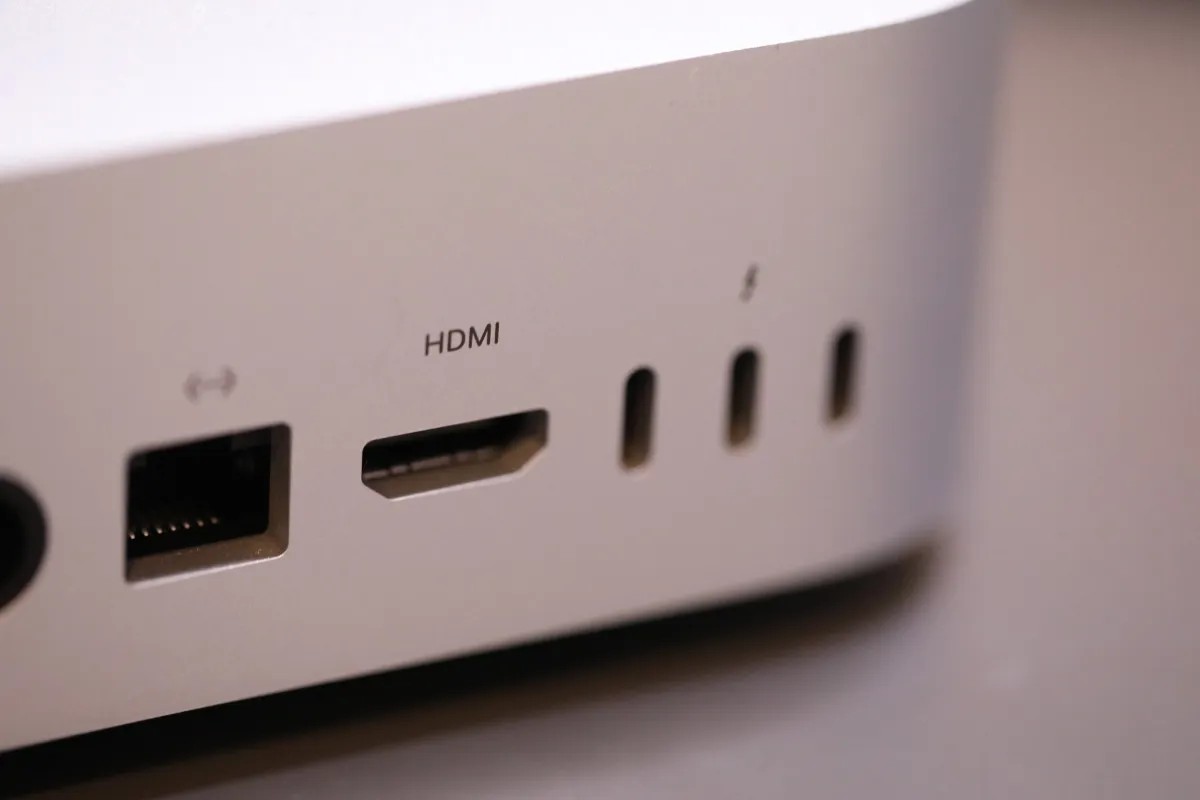
This trend has been particularly pronounced with the Mac mini and Mac Studio, which have sold out in recent weeks. Cook noted that the market’s recognition of these platforms as powerful AI tools happened “faster than we had predicted.” The demand was so intense that Apple found itself supply-constrained, a situation Cook attributed to underestimating the appetite for on-device AI processing rather than any manufacturing failure.
“Both of these are amazing platforms for AI and agentic tools, and the customer recognition of that is happening faster than what we had predicted,” Cook said.
The impact was visible globally, with the Mac mini becoming the top-selling desktop in China, a market currently experiencing a frenzy for AI-related technologies.
The “MacBook Neo” Phenomenon
A significant portion of the Mac division’s success can also be traced to the launch of the MacBook Neo. Although the device was only available for a few weeks after preorders began on March 4, its impact was immediate and substantial. Cook described the demand for the Neo as “off the charts,” noting that it helped Apple set a quarterly record for new customers entering the Mac ecosystem.
The Neo’s appeal extends beyond individual consumers. Apple reported that the device is supply-constrained, with institutional buyers jumping in. Notably, school systems such as Kansas City Public Schools are reportedly replacing Chromebooks with the MacBook Neo, signaling a potential shift in the education market away from lower-cost alternatives toward Apple’s more robust hardware.
Enterprise Adoption and Future Outlook
The surge in Mac sales is not limited to consumers and educators; enterprise demand is also playing a critical role. Apple highlighted that major companies, including AI search engine Perplexity, have adopted the Mac as their preferred platform for building enterprise-grade AI assistants. This validates Apple’s strategy of positioning its hardware as a secure, powerful environment for developing and running proprietary AI applications.
Despite the strong quarterly performance, challenges remain. Mac revenue was flat on a quarter-over-quarter basis, indicating that the new wave of AI-driven demand has yet to fully scale. Cook warned that reaching a balance between supply and demand for the Mac mini and Mac Studio could take “several months.”
Conclusion
Apple’s Q2 results reveal a pivotal moment for the Mac division, transforming it from a stable, flat-growth segment into a dynamic driver of revenue. The unexpected surge in demand for AI-capable machines—ranging from the Mac mini to the new MacBook Neo—demonstrates that consumers and enterprises are actively seeking local processing power for artificial intelligence. As Apple works to resolve supply constraints, this trend suggests that the Mac is becoming increasingly central to the company’s broader AI strategy.