




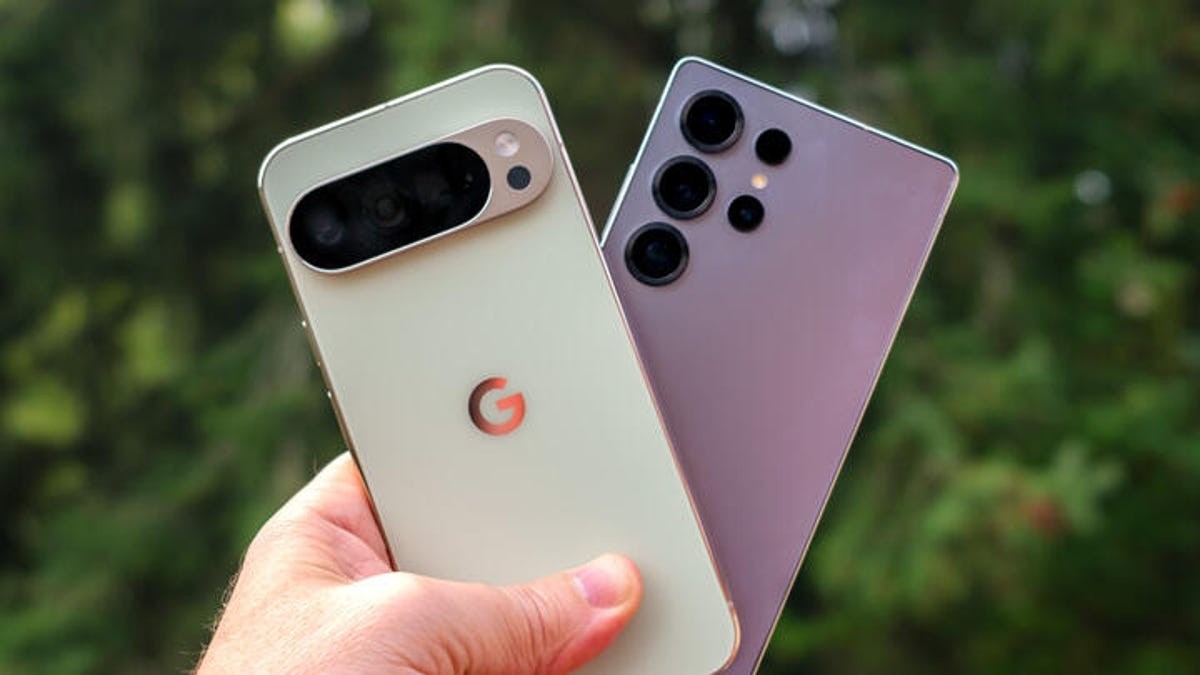
The top smartphone cameras are no longer about sheer megapixels; they’re about delivering consistently excellent images with minimal effort. Modern users expect a simple tap of the shutter button to produce professional-looking results, regardless of their photographic skill. Both the Samsung Galaxy S25 Ultra and Google’s Pixel 10 Pro XL aim to meet that standard, but which one prevails?
This review breaks down a real-world comparison of these flagship Android cameras, testing their performance in diverse conditions from bustling markets to low-light scenarios. The goal isn’t to declare a definitive “winner,” but to provide clarity for consumers weighing these options.
Real-World Testing: Seattle and Mukilteo
The cameras were tested side-by-side in Seattle and Mukilteo, Washington, across hundreds of shots with minimal manual adjustments. The focus was on evaluating default settings, with occasional switching between 12MP and 50MP modes where available. The results reveal subtle but significant differences in how each phone interprets and renders the world.
General Performance: Consistency and Color Balance
In environments like Pike Place Market, both cameras captured strong images, balancing exposure between bright daylight and shadowy interiors. However, the Pixel 10 Pro XL consistently produced warmer, more natural-looking tones. While the Galaxy S25 Ultra sometimes brightened shadows aggressively, the Pixel’s approach felt more balanced. This difference in color fidelity is a recurring theme throughout the testing.
Zoom Capabilities: The AI Advantage
Modern smartphones push zoom limits with digital and AI assistance. The Pixel 10 Pro XL leverages Google’s Super Res Zoom up to 30x, delivering sharp results. Beyond that, it employs generative AI to reconstruct images at extreme zoom levels (up to 100x). While AI-generated images can appear artificial upon close inspection, they are surprisingly usable for casual viewing on a phone screen. The S25 Ultra’s extreme zoom, while improved, still falls short in clarity and naturalness.
This AI-powered upscaling raises questions about the future of smartphone photography. Will AI-generated details become commonplace, even at the expense of authenticity?
Low-Light Performance: Night Sight vs. Processing Power
In challenging low-light conditions, the Pixel 10 Pro XL’s Night Sight mode consistently outperformed the S25 Ultra. The Pixel produced more balanced exposures with less noise, while the S25 Ultra often overprocessed images, resulting in blown-out highlights and artificial sharpening.
The Pixel’s ability to retain detail in dark scenes without sacrificing color accuracy is a clear advantage. This suggests Google’s computational photography algorithms are more refined in handling extreme darkness.
Portrait Mode: Softness vs. Accuracy
Portrait mode tests revealed similar trends. The Pixel 10 Pro XL tended to produce softer, more natural-looking backgrounds, while the S25 Ultra sometimes overblurred edges, creating an artificial depth-of-field effect. Both phones struggled with flyaway hairs, but the Pixel often handled them with greater subtlety.
The Verdict: A Slight Edge for the Pixel 10 Pro XL
While both cameras deliver excellent results, the Pixel 10 Pro XL emerges as the slightly superior choice. Its consistent color accuracy, refined low-light performance, and advanced AI-powered zoom give it a subtle but noticeable edge. The Galaxy S25 Ultra remains a strong contender, but its tendency toward overprocessing and less natural color tones hold it back.
Ultimately, the best camera depends on individual preferences. However, for those seeking a consistently reliable and visually appealing smartphone camera experience, the Pixel 10 Pro XL currently holds the lead.