


150 years.
That is how long analog landlines have been ringing in Finland. Until Tuesday, that is. The country just pulled the plug.
It happens fast now. One minute you hear a dial tone. The next. Silence.
Estonia. The Netherlands. Norway. Spain. They are already gone from this analog world. Global infrastructure is shifting hard toward fiber optic cables. These wires do double duty. Voice. Data. It is efficient.
Finland’s story starts in the 1880S. A fixed-line network rises up. It survives the turn of the century. It outlasts the Great Depression. But the digital revolution does not care about history.
Copper is out. Light is in.
Nokia built empires on mobile tech here. Mobile phones ate landlines for breakfast. Why call home from a cord when you can move while you talk?
Elisa remains.
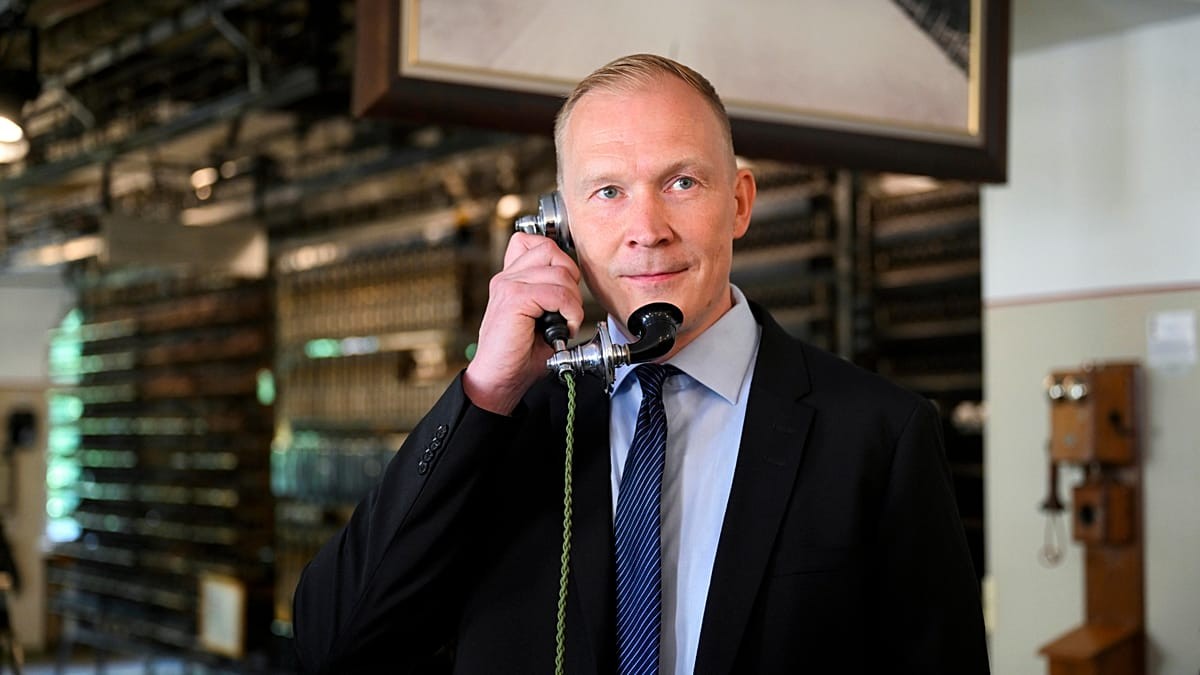
As the last major telecom with a copper-wire fixed-line network. They needed a send-off. Something memorable.
So CEO Topi Manner called Jarkko Saarimaki.
Saarimaki runs the country’s communication agency.
They talked.
Not business. Not strategy. Memories.
Manner recalled London. The 1980S. He was a teenager then. Calling home once a week. You had to pick a time. You had to make sure everyone was at home. If you missed the window, you missed the call. No callback. Just static and silence.
“We used to synchronize our lives to a ringing box on the wall.”
Then they switched tracks. The future of mobile tech. Where goes it now?
They ended with “kuulemiin”.
Speak later.
It feels ironic. Saying goodbye to the “later” of yesteryear.
So what exactly were these “copper” phones anyway?
Copper is old tech. Over a century old.
It carries analog signals. What does that mean? The wire sends an electrical current. This current mimics the shape of sound waves. Continuous. Analogous. Like water flowing.
Fiber optic cables are different.
Thin strands of glass. Information travels as pulses of light. Blips. Fast. Reliable. Much more data. Much faster.
Elisa knew this was coming.
In January, they announced the shutdown. Competitors had already left.
Customers? Only a “few thousand” landline-only plans remained.
No one buys them. New customers never sign up for a fixed line. They grab a SIM card and move on.
Now, only local operators hang on.
Serving the stubborn few. A few thousand souls who refuse to go VoIP. According to public broadcaster Yle, they need local calls. Or perhaps they just hate change.
Why keep it?
Convenience. Habit. The weight of the receiver.
The network is emptying out. Copper is gathering dust.
We speak later, yes.
But will the signal always hold?