




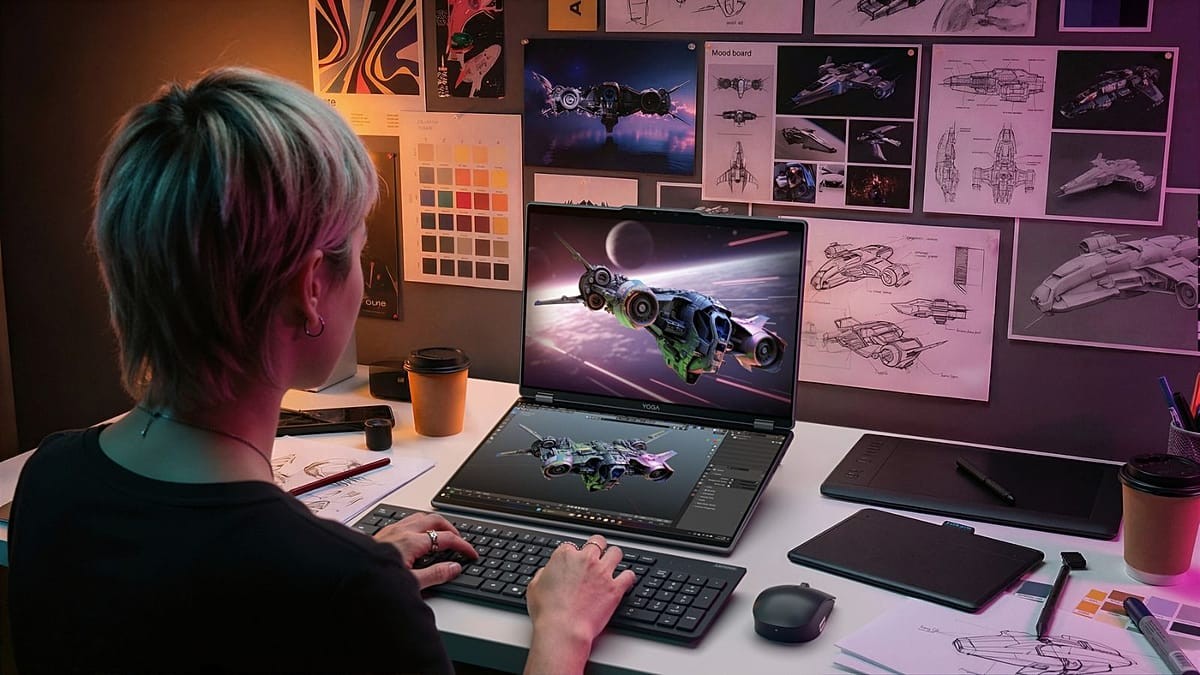
Lenovo is aggressively reshaping the tech landscape, shifting from a traditional PC maker to a developer of adaptive, AI-driven systems designed for seamless multi-platform experiences. This isn’t just about faster processors; it’s a fundamental rethinking of how and where computing happens. The company’s strategy centers on integrating Artificial Intelligence (AI) to anticipate user needs, streamline workflows, and ultimately redefine productivity.
The Rise of Adaptive AI and the “Digital Double”
At the core of Lenovo’s vision is the concept of the “AI agent”—a digital extension of the user that learns behaviors and workflows across devices. Their new AI agent, Qira, is designed to work across multiple platforms, remembering context and picking up tasks exactly where they left off. This is a step beyond simple search; Qira aims to predict and proactively work on behalf of the user, offering hyper-efficiency but also raising questions about privacy and data security.
The idea of an AI agent acting as a “digital double” is significant because it reflects a broader trend: the move from reactive computing to proactive assistance. Consumers will need to weigh the benefits of increased productivity against the inherent risks, just as they do with self-driving cars. Convincing people to trust AI with more autonomy will be a key cultural hurdle.
Flexible Forms and the Expanding Screen
Beyond software, Lenovo is experimenting with hardware that adapts to user needs. The rollable laptop, featuring a screen that expands from 14 to 16.7 inches, addresses a common compromise: screen real estate versus portability. This design taps into a growing demand for devices that don’t force users to choose between immersive experiences and on-the-go convenience. The ability to dynamically adjust screen size could become a standard feature in premium laptops and tablets.
The Future of Interaction: Voice and Beyond
The company is also pushing boundaries in how people interact with technology, leveraging voice control to simplify complex tasks. Prototypes like the Lenovo AI Workmate demonstrate the potential of voice-activated content creation, such as generating presentations or postcards without manual input. This suggests a future where devices respond more naturally to human commands, making tech more accessible and intuitive.
Implications and Concerns
Lenovo’s aggressive push into AI agents and flexible hardware isn’t just about innovation; it’s a response to the changing nature of work and leisure. The automation of tasks through AI, while promising productivity gains, raises valid concerns about security breaches and the potential for unintended consequences. The rapid rise of “agentic AI” demands robust governance and transparency. Consumers must have control over how their data is used and the extent to which AI operates on their behalf.
Ultimately, Lenovo’s strategy signals a broader shift in the tech industry: a move towards personalized, adaptive computing that seamlessly integrates into every aspect of modern life. Whether consumers embrace this future will depend on how effectively risks are mitigated and trust is established.