



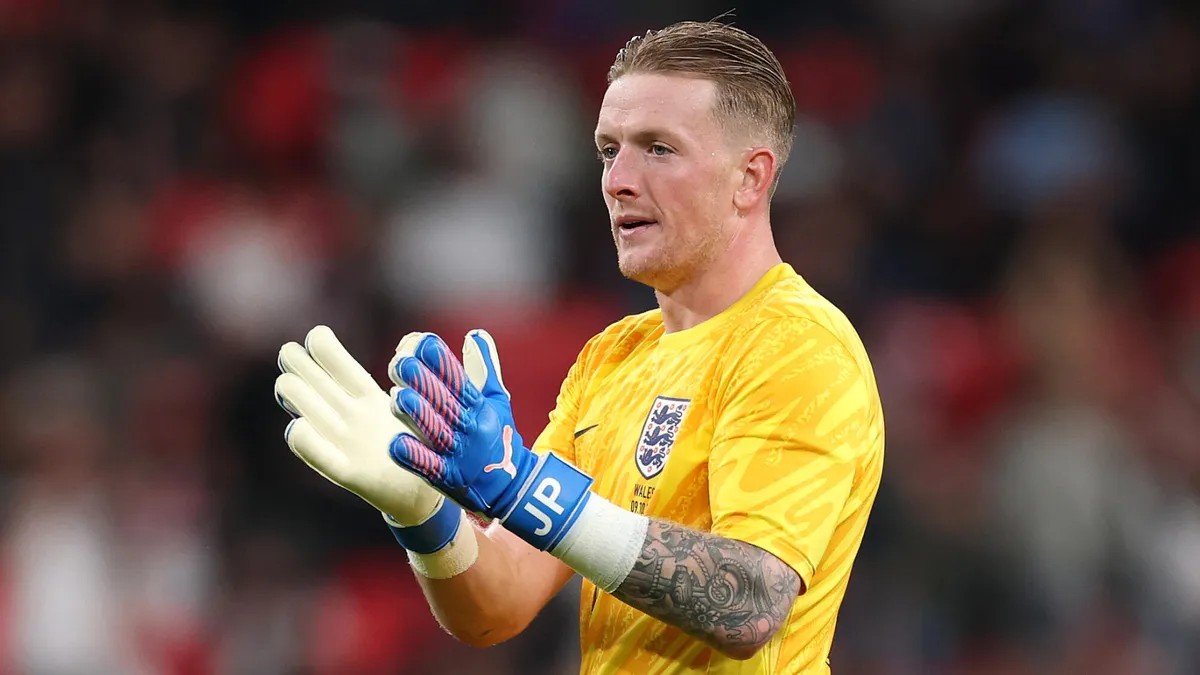
England faces Latvia in a crucial 2026 World Cup qualifying match on Tuesday, October 14th. A win for England secures their spot in the tournament. For fans worldwide, here’s a breakdown of how to watch the game legally, including streaming options and VPN usage if needed.
When and Where to Watch
The match kicks off at 2:45 PM ET (11:45 AM PT) in the US, 7:45 PM BST in the UK, and 5:45 AM AEDT (Wednesday) in Australia. It will be hosted at Daugava Stadium in Riga, Latvia.
Streaming Options by Region
The availability of the game varies by country. Here’s a region-by-region guide:
- United States: Fox Sports 2 is broadcasting the match. Subscriptions range from $20/month (Fox One) to $83/month (YouTube TV) depending on the provider. Sling, Fubo, and DirecTV Stream also carry the channel, with varying monthly costs.
- United Kingdom: The game will be shown for free on ITV1 and streamed online via ITVX.
- Australia: Stan Sport offers the livestream for AU$20/month (in addition to a base Stan subscription).
- Canada: DAZN Canada streams the match for CA$30/month or CA$200/year.
Note: These prices are current as of late 2024, but are subject to change.
Using a VPN for International Access
If the match isn’t available in your region, a Virtual Private Network (VPN) can bypass geographic restrictions. VPNs encrypt your traffic, enhancing privacy and security while streaming.
ExpressVPN is a reliable choice, with prices starting at $3.49/month (with a two-year plan). Other providers include NordVPN and Surfshark.
Important: Some streaming services may prohibit VPN usage, so verify their terms of service first.
VPN Best Practices
- Location Selection: Choose a server in the country where the stream is available.
- Account Verification: Ensure your streaming account address matches the VPN location.
- Browser Privacy: Use a privacy-focused browser like Brave to prevent location leaks.
- Router Setup: For smart TVs without VPN apps, install the VPN on your router instead.
Why This Matters
This match is critical for England’s qualification for the 2026 FIFA World Cup. Securing a win eliminates the need for further qualifiers. The increasing fragmentation of streaming rights means fans now need more complex solutions—subscriptions, VPNs, and careful setup—to follow international soccer.
The trend towards cord-cutting and region-locked content is making live sports access increasingly difficult for many viewers. Services like Fox One, Sling, and DAZN are competing for market share, but the costs add up quickly.
Ultimately, the ability to watch major sporting events relies on understanding your local broadcasting rights and using available technology to overcome geographic restrictions when necessary.