



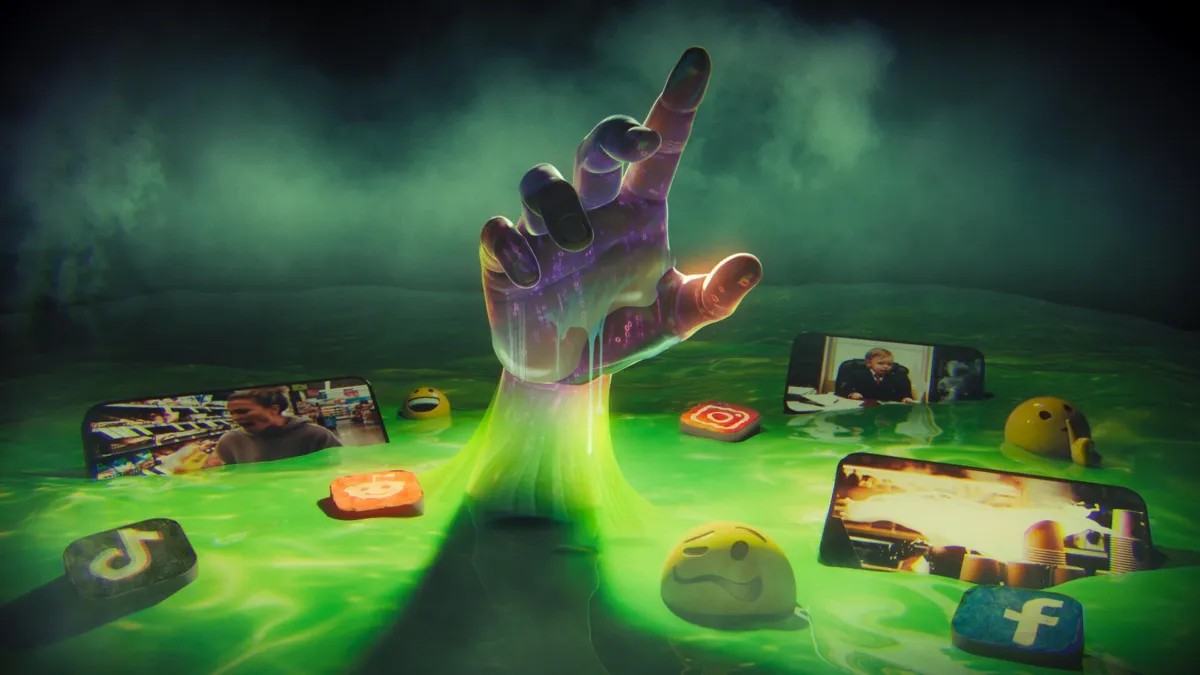
The internet, once a space built by human creators, is rapidly being overrun by a deluge of low-quality, AI-generated content – often referred to as “AI slop.” From bizarre food trends to fabricated research papers, this synthetic material is flooding social media, search results, and even academic journals. While AI has been quietly shaping online experiences for years, the recent explosion of generative tools has accelerated the problem, raising serious questions about authenticity, quality, and the future of human creativity.
The Rise of AI Slop: A Digital Oil Spill
AI slop isn’t just harmless fun; it’s a fundamental disruption. It’s characterized by errors, fabricated information, and a general lack of nuance, often produced at an unsustainable scale. A recent CNET study found that 94% of US social media users encounter AI-generated content daily, yet only 11% find it useful or entertaining. The ease with which AI can create content means that bad information spreads faster than ever before, with some slop accounts raking in millions in ad revenue.
This isn’t just about annoying videos of fake bunnies on trampolines; it’s about the erosion of trust in online information. AI-powered translation tools threaten human translators, while AI-generated “research” is flooding academic journals, including instances of fabricated data and nonsensical imagery. The problem extends to search engines, where AI summaries confidently present false facts.
Creators Fight Back: Human Skill vs. Algorithmic Imitation
In response, creators are actively pushing back. Rosanna Pansino, a veteran baker with over 15 years of online experience, has launched a series recreating viral AI food slop videos in real life. Her goal? To highlight the painstaking detail behind genuine creation versus the instant gratification of AI generation. For example, she perfectly replicated an AI-generated video of gummy peach rings smeared on toast by crafting butter rings by hand, freezing them, and meticulously applying the right texture and color.
This is more than a stunt; it’s a statement. Pansino’s work underscores the irreplaceable value of human creativity, reminding audiences of the effort that goes into genuine content. Other creators, like Jeremy Carrasco, are actively debunking viral AI videos, exposing telltale signs of synthetic manipulation, such as jump cuts and physics-defying glitches.
The Technological Front: Labeling, Watermarking, and Beyond
The fight isn’t just about creators; it’s about developing tools to identify and mitigate AI slop. Several approaches are being tested:
- Labeling: Requiring AI-generated content to be clearly disclosed. While a necessary step, labeling alone isn’t enough.
- Watermarking: Embedding invisible signatures into digital content to verify its authenticity. The Coalition for Content Provenance and Authenticity is working to standardize this process, but inconsistencies remain.
- Light-Based Watermarking: Researchers at Cornell University have developed a method of embedding watermarks directly into light sources, making it difficult to remove them from video footage.
- Platform Verification: LinkedIn has had some success with user verification, but AI-powered automation tools continue to generate fake accounts and engage in deceptive behavior.
The Future of Authenticity: A Collective Effort
The AI slop crisis won’t be solved by a single solution. It requires a multi-faceted approach involving platforms, creators, researchers, and policymakers. The problem is systemic, and the only way to combat it is through collective action – from developing better detection tools to advocating for media literacy and regulating the spread of misinformation.
The internet was built on human creativity, and losing that would mean losing something essential. Whether it’s Pansino baking against the machine or scientists embedding watermarks into light, the fight to reclaim authenticity is just beginning.