




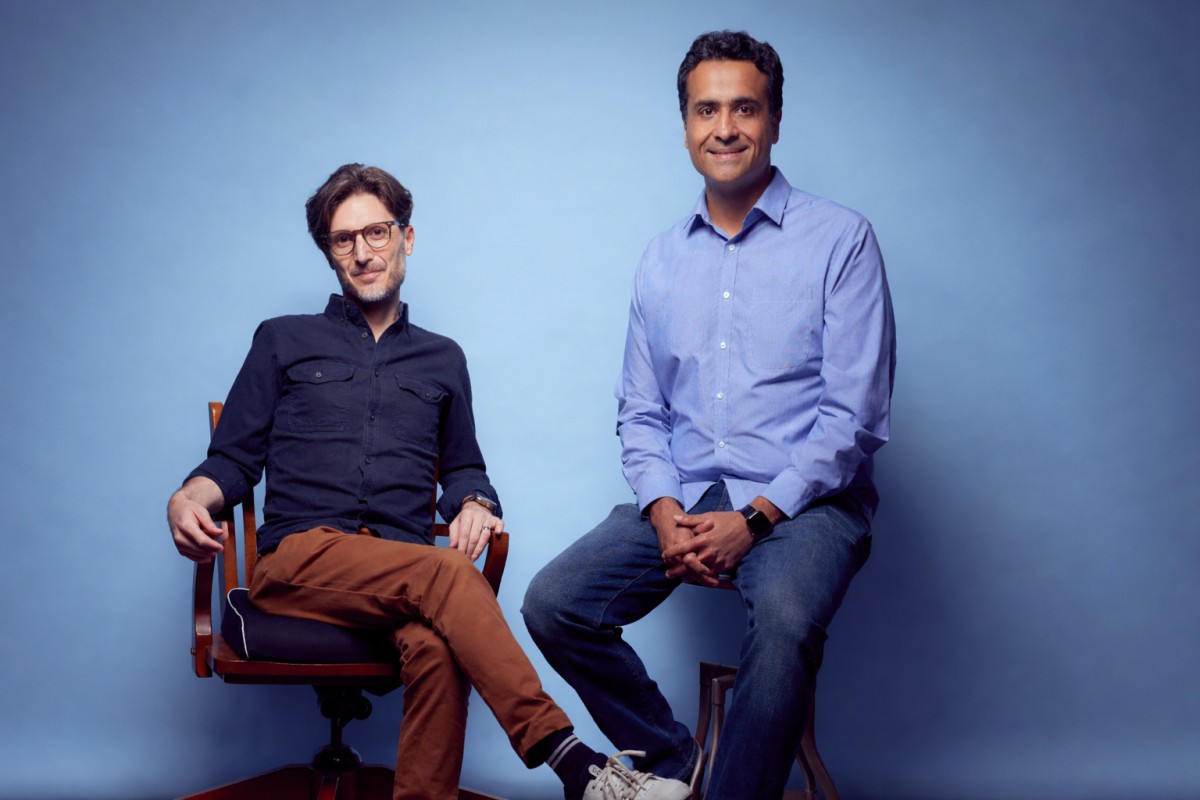
The challenge of content moderation is exploding as AI-generated content floods the internet, and one startup, Moonbounce, is betting that “policy as code” is the answer. Founded by former Facebook and Apple executive Brett Levenson, the company just raised $12 million to build a real-time safety layer for platforms and AI systems.
The Failure of Human Moderation
Levenson’s experience at Facebook revealed a critical flaw in traditional moderation: human reviewers, often working from poorly translated policies, make rushed decisions with only about 50% accuracy. This reactive approach fails to keep pace with malicious actors, especially as AI tools make harmful content generation faster and cheaper. The problem is that delay means harm. By the time a human flags something, the damage is already done.
Moonbounce: Safety Built-In, Not Bolted On
Moonbounce takes a different approach. It trains a large language model (LLM) to interpret a client’s content policies and enforce them at runtime. The system responds in under 300 milliseconds, either slowing distribution for human review or blocking high-risk content immediately. This is significant because:
- Speed matters: LLMs can react far faster than human reviewers.
- Automation improves consistency: Code enforces policy without fatigue or bias.
- Proactive safety becomes a feature: Platforms can market themselves as safer by design.
Key Clients and Growth
Moonbounce currently serves dating apps, AI companion services, and image generators, processing over 40 million daily reviews for over 100 million users. Customers include Channel AI, Civitai, Dippy AI, and Moescape. Tinder has already seen a 10x improvement in detection accuracy using similar LLM-powered tools.
The Future: Iterative Steering
Moonbounce is developing “iterative steering,” a system that intercepts harmful conversations and redirects them in real-time. Instead of simply blocking dangerous topics, the AI would modify prompts to steer chatbots toward supportive responses. This is a response to tragic cases, such as the suicide of a 14-year-old linked to interactions with an AI chatbot, illustrating the real-world consequences of moderation failures.
The Business Reality
The firm’s founder admits that an acquisition by a tech giant like Meta would make sense, but worries that such a deal could stifle innovation. “My investors would kill me for saying this, but I would hate to see someone buy us and then restrict the technology.” The underlying message is clear: AI safety is now a critical business liability, and companies are scrambling to find solutions before regulators or public backlash force their hand.
In short: Moonbounce represents a shift from reactive moderation to proactive safety, a necessity as AI-generated content becomes increasingly pervasive. The market for AI safety is growing fast, and Moonbounce’s model may soon be standard practice.