





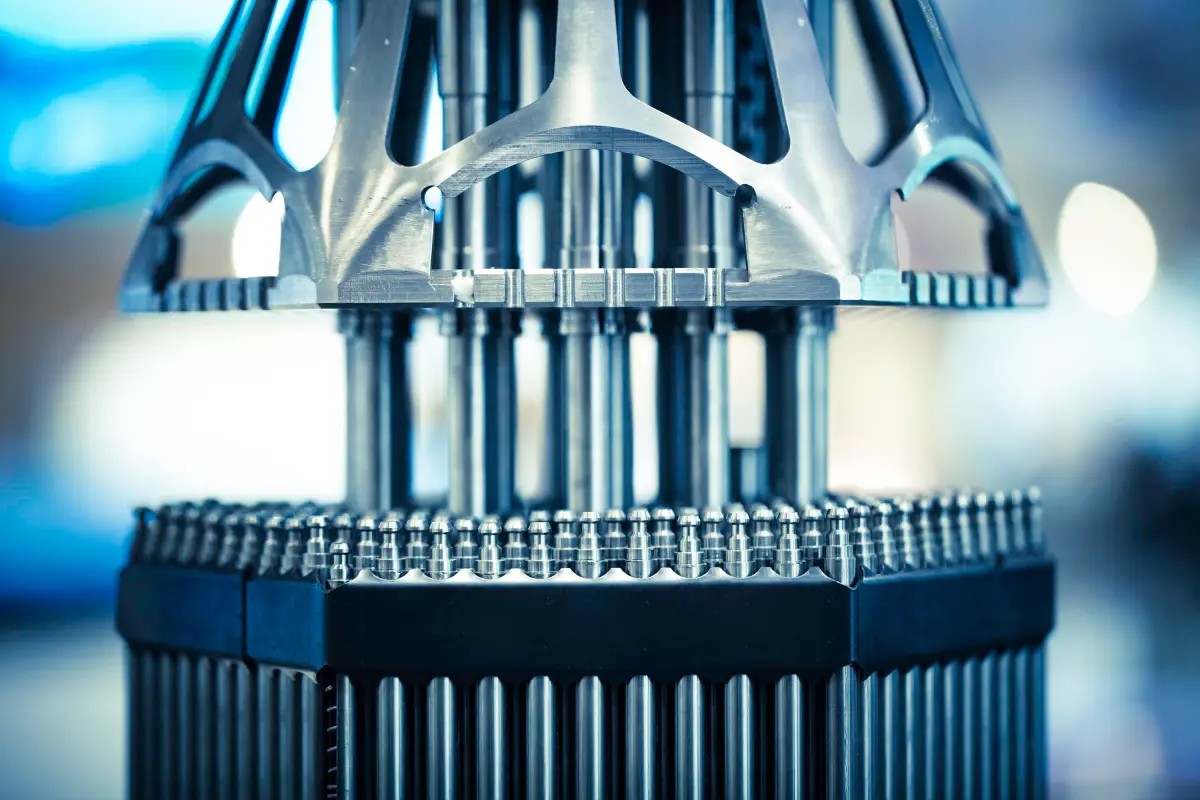
The nuclear energy sector is experiencing a dramatic surge in investment, with startup Antares leading the charge. On Tuesday, the company announced a $96 million Series B funding round, signaling renewed confidence in advanced nuclear technologies. This influx of capital – $71 million in equity and $25 million in debt, led by Shine Capital – underscores a pivotal moment for both large-scale and small modular reactors (SMRs).
The Rise of Microreactors
Antares is developing the R1 microreactor, designed to generate between 100 kilowatts and 1 megawatt of electricity. This compact design, utilizing TRISO fuel (spheres of uranium encased in ceramic and carbon), targets commercial, defense, and space-based applications. The TRISO fuel format enhances safety and efficiency, reducing the risk of meltdowns compared to older reactor designs.
This isn’t an isolated trend. Companies like X-energy recently secured a $700 million Series D round, Deep Fission went public via a reverse merger, and Aalo Atomics raised $100 million to power a data center with a microreactor. Even tech giants are involved: Nvidia contributed to a $650 million round for TerraPower, backed by Bill Gates. The industry’s revival is driven by growing demand for carbon-free energy, geopolitical instability, and the need for reliable power sources in remote locations.
Big Nuclear Gets a Second Look
The resurgence isn’t limited to SMRs. Major nuclear plants are also receiving new life. Constellation Energy secured a $1 billion loan to restart the Three Mile Island reactor by 2028, while Google and NextEra Energy plan to reopen a damaged Iowa plant. Amazon and Meta have begun purchasing power directly from existing nuclear facilities, further validating the industry’s long-term viability.
The Trump administration has also expressed strong support for nuclear energy, viewing it as critical to national security and economic growth. This backing has spurred aggressive timelines, such as the Department of Energy’s reactor pilot program, aiming to have at least three reactors operational by July 4, 2026 – a timeframe unheard of in the traditionally slow-moving nuclear sector.
What This Means
The current investment boom in nuclear energy suggests a fundamental shift in how the world views this power source. Concerns about safety and waste disposal have not disappeared, but technological advancements like TRISO fuel and smaller designs are easing these worries. The need for energy independence, climate change mitigation, and reliable off-grid power will likely continue to drive further investment and innovation.
The rapid acceleration in funding and deployment timelines indicates that nuclear energy, both large-scale and small-scale, is poised to play a significant role in the global energy mix for decades to come.