




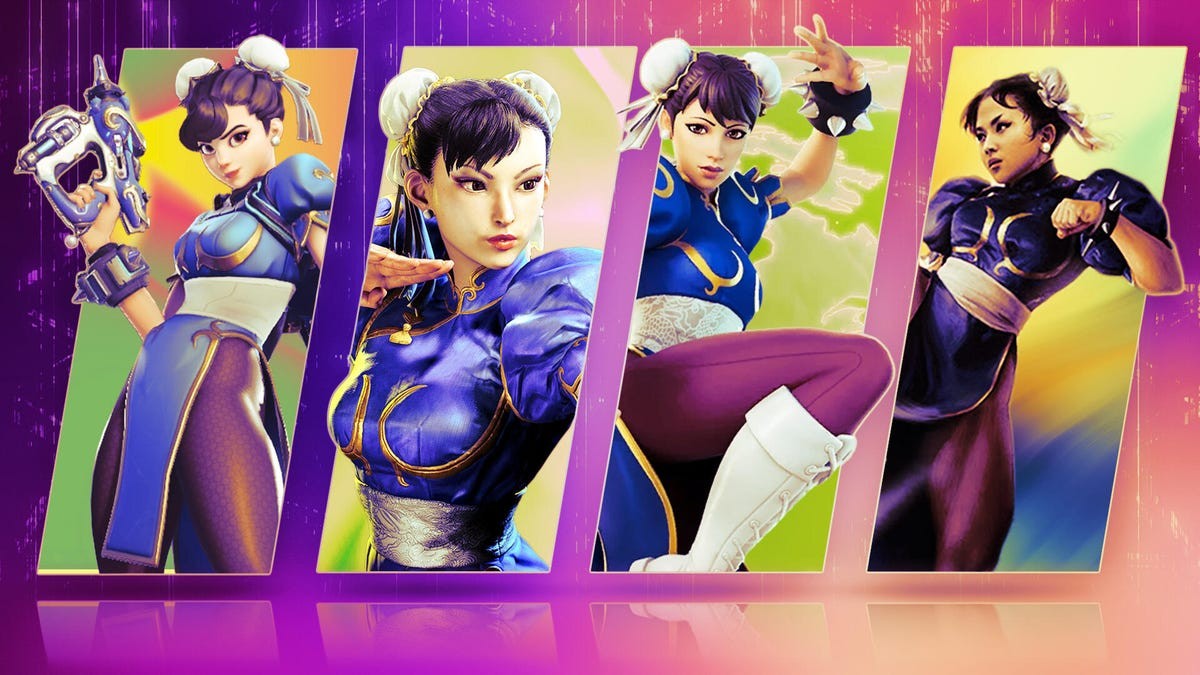
The modern gaming landscape is increasingly defined by crossovers – collaborations between different franchises that range from the creatively synergistic to the blatantly opportunistic. From Magic: The Gathering importing characters from Final Fantasy and Lord of the Rings, to Fortnite becoming a digital melting pot of pop culture icons, the trend is undeniable. But is this expansion enriching gaming, or simply commodifying beloved properties?
The Rise of the Crossover
Gaming crossovers aren’t new. Early examples, like Battle Soccer in 1992 featuring Godzilla alongside mechs and superheroes, laid the groundwork for future collaborations. Later, Marvel vs. Capcom and Smash Bros. embraced the concept, though with a degree of thematic coherence. But Fortnite fundamentally changed the game, turning crossovers into a constant, revenue-driving spectacle. Now, franchises are less guarded, recognizing that shared universes can attract new audiences and monetize existing ones.
This isn’t just about video games anymore. PGA Tour 2K25 now features Borderlands characters, Overwatch hosts One-Punch Man skins, and Halo armor appears in Helldivers 2. The trend is pervasive, driven by a desire for customization, brand synergy, and, crucially, profit.
The Financial Incentive
The numbers speak for themselves. Hasbro reported that Magic: The Gathering’s Final Fantasy set generated $200 million in revenue within a single day – exceeding the performance of even the game’s most successful original sets. This success is driving further expansion, with upcoming crossovers planned for Teenage Mutant Ninja Turtles, The Hobbit, Star Trek, and Marvel.
Corporate executives are aware of this potential. Chris Cocks, Hasbro’s CEO, openly discussed the financial benefits, stating that these collaborations “pleas[e] players and…bring[ing] in revenue.” The gaming industry is increasingly structured around maximizing these cross-promotional opportunities.
The Creative Process
Behind the scenes, these crossovers aren’t just slapped together. Magic: The Gathering has spent decades building a multiverse structure, making crossovers a natural extension of its established lore. Overwatch approached collaborations cautiously, adopting a “cosplay” model where characters maintain their core identity while incorporating elements from other franchises.
The creative teams involved often have personal stakes in these projects. Overwatch’s Art Director, Dion Rogers, notes that developers are also fans of the properties they collaborate with, leading to more engaging design work. However, this enthusiasm doesn’t always translate into fan satisfaction.
The Player Divide
The reception to crossovers is often polarized. Long-time fans may feel alienated when their favorite games prioritize external properties over original content. Others embrace the novelty and customization options these collaborations offer.
Magic: The Gathering has faced criticism from some players who believe the Universes Beyond sets dilute the game’s core identity. Yet, the franchise continues to see increased player engagement and revenue growth.
Ultimately, the success of a crossover depends on execution. Fortnite’s chaotic, all-inclusive approach works because the game has already embraced a maximalist aesthetic. But for more focused franchises, like Overwatch, maintaining tonal consistency is crucial.
The Future of Franchises
Gaming crossovers are here to stay. As long as they remain financially viable and offer meaningful customization options, they will continue to dominate the industry. Whether this trend enriches gaming or erodes the identity of individual franchises remains an open question. The answer, much like the crossovers themselves, is complex and often contradictory.
The key takeaway: the lines between franchises are blurring, and players will increasingly encounter their favorite characters in unexpected places. The industry is betting on this trend continuing, and for now, the numbers suggest they’re right.