




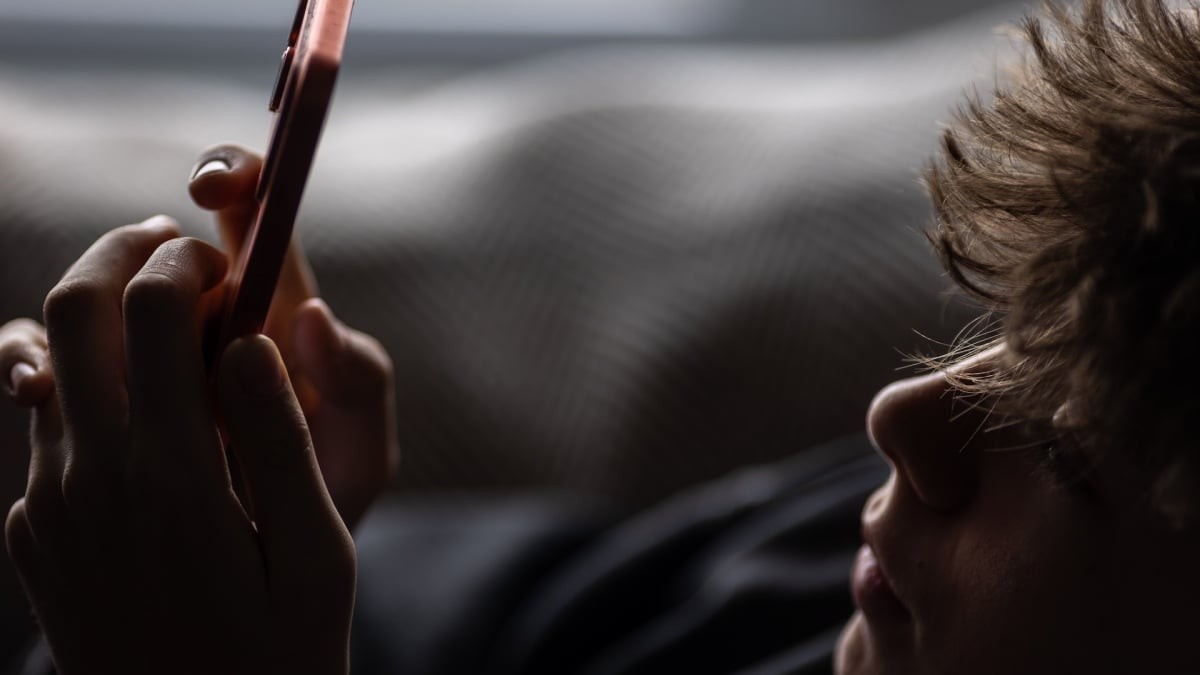
A recent study by the Pew Research Center reveals a complex relationship between U.S. teenagers and their favorite social media platforms. While teens generally report positive experiences on TikTok, Instagram, and Snapchat, TikTok has emerged as a primary culprit for disrupted sleep patterns and diminished productivity.
TikTok: The Entertainment Magnet vs. The Sleep Disruptor
The survey, which included 1,458 U.S. teens and their parents, highlights a distinct difference in how platforms are used. While Instagram and Snapchat are primarily viewed as tools for maintaining social connections with friends and family, TikTok is the undisputed king of entertainment.
However, this high engagement comes with a cost. The data shows:
– Sleep Disruption: Over one-third of teens reported that TikTok negatively affects their sleep.
– Time Management: More than 25% of respondents feel they spend too much time on the app.
– Productivity Loss: 29% of teens stated that TikTok hurts their ability to stay productive.
This pattern suggests a “rabbit hole” effect, where the highly optimized, short-form video algorithm keeps users engaged far longer than they intended, often at the expense of essential rest.
The Mental Health Paradox
Despite the concerns regarding sleep and productivity, the perceived impact on mental health remains surprisingly neutral.
- 71% of teens reported that TikTok neither helps nor hurts their mental health.
- 75% of teens felt the same regarding Instagram and Snapchat.
- Interestingly, 19% of teens actually claimed that TikTok improved their mental health.
Overall, the vast majority of teens view their social media usage as a positive force, with only 3% describing their experiences as largely negative. This creates a notable disconnect from the broader legal and public discourse surrounding big tech.
The Generational Gap: Parents vs. Teens
One of the most striking findings of the report is the disparity in perception between adolescents and their parents. There is a clear “perception gap” regarding the risks of social media:
| Issue | Teen Perspective | Parent Perspective |
|---|---|---|
| Impact on Mental Health | 8% say it hurts | 25% say it hurts |
| Excessive Usage (TikTok) | 28% say they use it too much | 44% say their teen uses it too much |
Parents are significantly more likely to view social media as a detriment to their children’s well-being and time management than the teenagers themselves.
Context: The “Big Tobacco” Comparison
These findings arrive amidst intense legal scrutiny of social media giants. Critics have compared the current situation to the “Big Tobacco” era, arguing that platforms like Meta, YouTube, TikTok, and Snapchat may be designed in ways that are inherently addictive or harmful to young users.
While recent court cases have seen companies like Meta found liable for misleading consumers about child safety, the Pew Research data suggests that the actual lived experience of teens may be less negative than the legal battles suggest. While the platforms may disrupt sleep and productivity, they are not yet viewed by the users themselves as a primary driver of mental health crises.
Conclusion
While social media remains a vital tool for teen entertainment and connection, TikTok’s addictive nature is clearly impacting sleep and productivity. The growing divide between how parents and teens perceive these risks remains a central challenge for digital wellness.