



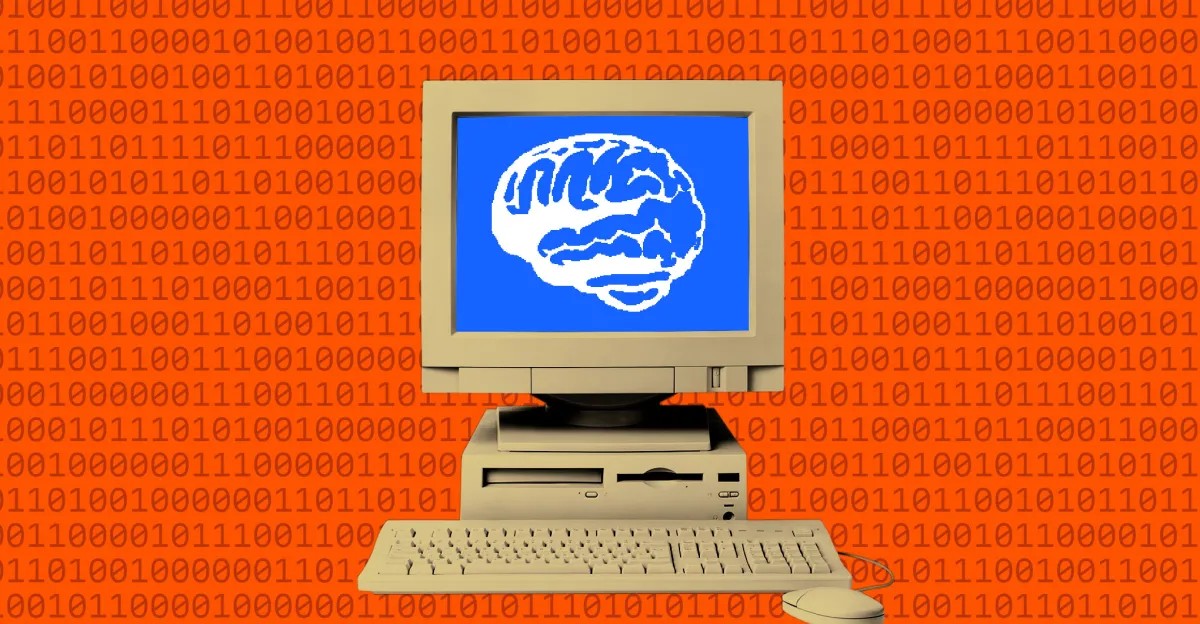
Ubuntu, one of the world’s most widely used Linux distributions, is preparing for a significant evolution. Canonical, the company behind Ubuntu, has officially announced a strategic plan to weave Artificial Intelligence into the fabric of its operating system over the coming year.
A Two-Tiered Approach to AI Integration
According to Jon Seager, Vice President of Engineering at Canonical, the rollout will not be a single, massive update, but rather a phased integration targeting two distinct user needs:
- Background Enhancements: AI models will work “under the hood” to improve existing OS functionalities. This means users may not interact with a chatbot directly, but will experience a more responsive and intelligent system.
- AI-Native Workflows: For power users and developers, Canonical will introduce dedicated features and workflows designed specifically around AI capabilities.
Expanding Accessibility and Automation
The scope of these updates is broad, aiming to bridge the gap between complex system administration and user-friendly automation. Key areas of focus include:
- Enhanced Accessibility: Improved speech-to-text and text-to-speech technologies to make the OS more inclusive.
- Agentic AI: The introduction of “agents” capable of performing complex tasks, such as automated troubleshooting or personal task automation.
- Demystifying Linux: By leveraging Large Language Models (LLMs), Canonical hopes to simplify the often intimidating Linux desktop environment, making it more approachable for newcomers.
Privacy, Transparency, and Local Control
A critical challenge in the current AI landscape is the tension between intelligence and privacy. To address this, Canonical has committed to two core principles: model transparency and local inference.
By prioritizing local inference—running AI models directly on the user’s hardware rather than in the cloud—Canonical aims to ensure that user data remains private and that the system remains functional without a constant, high-speed internet connection. This is a vital distinction in the Linux community, where control over one’s own data is a foundational value.
AI in the Development Workflow
The integration isn’t limited to the end-user experience; it is also changing how Ubuntu is built. While Canonical is encouraging its engineers to adopt AI tools to increase productivity, Seager emphasized a pragmatic management philosophy. Rather than mandating AI usage, the company will continue to evaluate its staff based on the quality and delivery of their work, ensuring that AI remains a tool for efficiency rather than a metric for performance.
“If we’re careful about how we employ LLMs in a system context, they could demystify the capabilities of a modern Linux workstation and bring them to a much wider audience.”
Conclusion
Canonical’s roadmap represents an attempt to modernize the Linux desktop by making it more intuitive through AI, without sacrificing the privacy and