



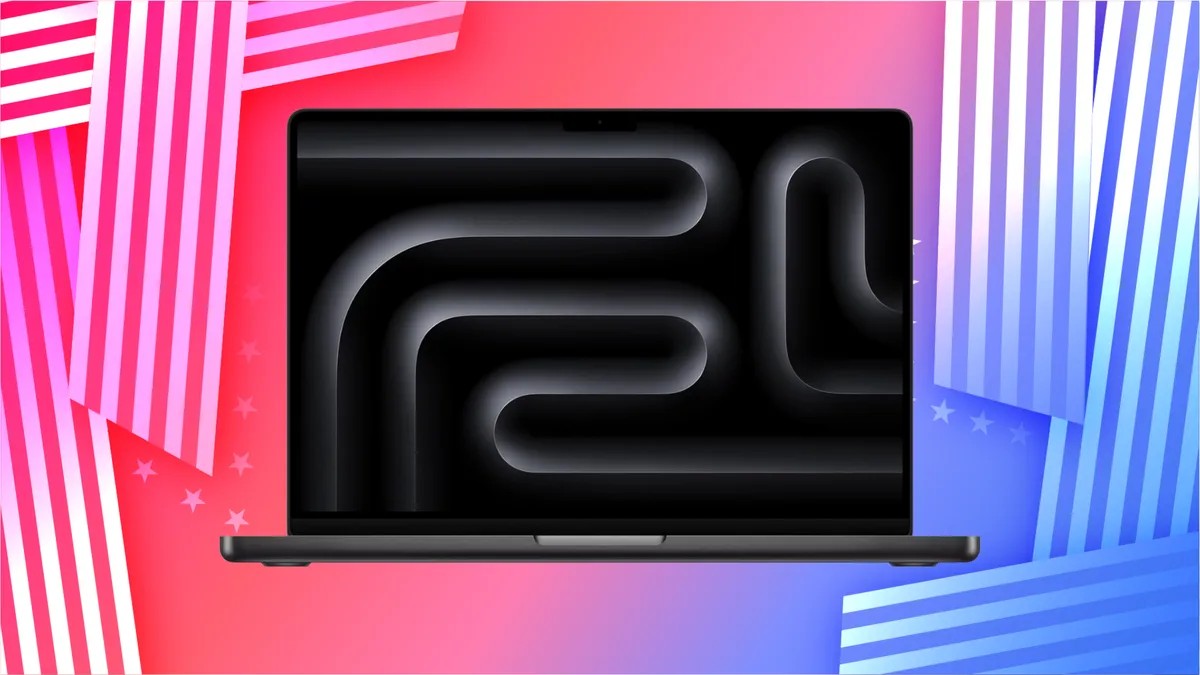
After years of resisting the trend, Apple is preparing to add touchscreen capability to its MacBook Pro line, with a planned rollout in late 2026 alongside the launch of new OLED models. This marks a significant shift from the company’s long-held position, originally established by co-founder Steve Jobs, against integrating touch controls into laptops.
Confirmed by Industry Analysts
The news was initially reported by Ming-Chi Kuo of TF International Securities via X (formerly Twitter), and later confirmed by Bloomberg’s Mark Gurman. Gurman detailed that the upcoming 14-inch (code-named K114) and 16-inch (K116) MacBook Pro models will also feature thinner, lighter designs powered by Apple’s next-generation M6 chips.
Why the Change?
Apple’s decision appears to be driven by consumer behavior. According to Kuo, the company recognizes that touchscreen controls can improve productivity and the overall user experience in specific scenarios, a point evidenced by the widespread adoption of touchscreens on iPads and other laptops from competing manufacturers.
OLED Technology and Future Implications
The new MacBooks will utilize OLED (organic light-emitting diode) technology, already present in Apple’s high-end iPhones and iPad Pros, but never before featured in a Mac. This move signals a potential merging of the iPad and MacBook platforms, as speculated by industry experts like CNET’s Scott Stein and YouTuber Jon Rettinger, who believes the two device types are on a “collision course with unity.”
The Future of iPadOS
One key question raised by this integration is the future role of iPadOS. If the MacBook and iPad operating systems converge, the iPad may increasingly focus on media consumption while the Mac remains the primary tool for productivity. This shift could redefine Apple’s product strategy and further blur the lines between its existing device offerings.
The addition of touchscreens to MacBook Pros is a natural evolution, reflecting both market demands and Apple’s willingness to adapt to evolving consumer expectations. The real question now is how this convergence will reshape the software landscape, particularly the role of iPadOS in a future where hardware differences become less significant.