




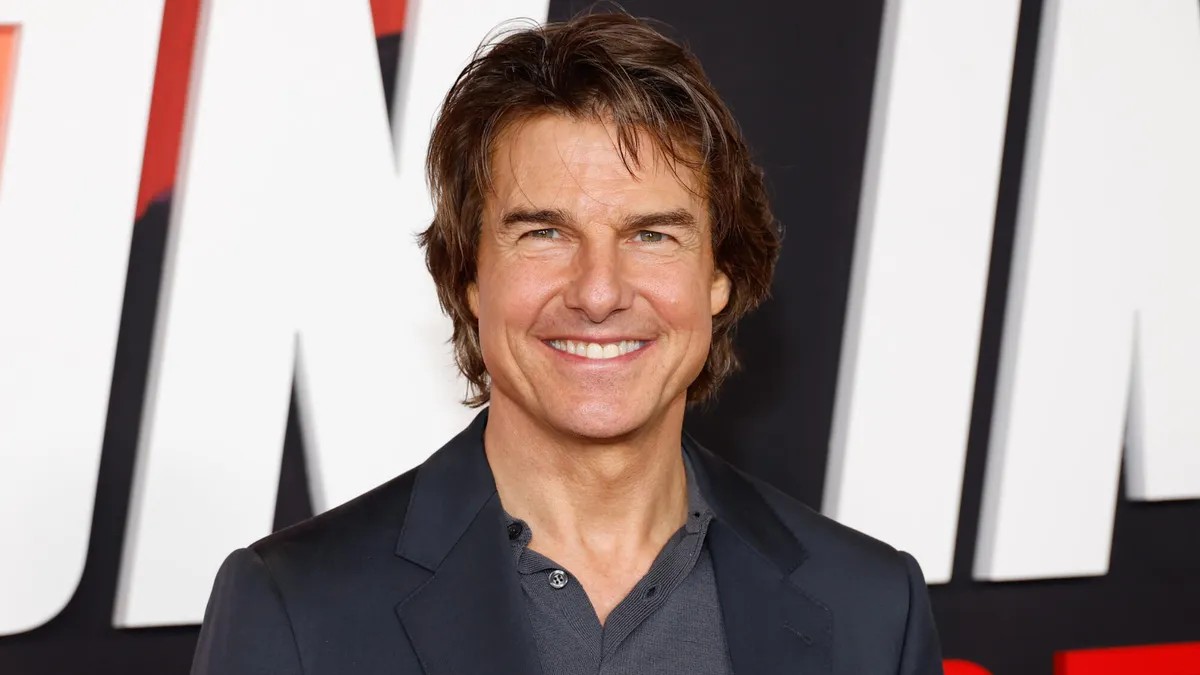
Hollywood is clashing with Chinese tech giant ByteDance over its new AI video generation tool, Seedance 2.0, which allows users to create realistic deepfakes using celebrity likenesses with minimal effort. A viral clip depicting Brad Pitt and Tom Cruise fighting over conspiracy theories surrounding Jeffrey Epstein’s case ignited the controversy, as the ease of generating such content raises major concerns about intellectual property, consent, and job security for actors.
The Rise of Realistic Deepfakes
Seedance 2.0 requires only two lines of text to generate videos featuring real people. This accessibility has led to the rapid spread of AI-generated content, including a clip of Pitt and Cruise engaging in a fabricated altercation. Despite some visual imperfections – such as the “uncanny valley” effect in close-up shots – many viewers struggle to distinguish between real and AI-generated videos, according to a recent CNET survey showing that 94% encounter AI slop but only 44% feel confident in identifying it.
Legal and Ethical Concerns
The Motion Picture Association (MPA) and SAG-AFTRA (the actors’ union) have condemned ByteDance’s Seedance 2.0, demanding the immediate cessation of infringing activity. SAG-AFTRA specifically cited the unauthorized use of actors’ faces, likenesses, and voices as a direct threat to their livelihoods. The unauthorized use of celebrity likenesses raises serious questions about consent, as no actors have agreed to these AI depictions.
Copyright and Enforcement
The issue extends beyond individual actors. Disney issued a cease-and-desist order to ByteDance over AI-generated videos featuring Star Wars and Marvel characters, alleging copyright infringement. While ByteDance claims to respect intellectual property rights and has implemented safeguards to prevent the upload of real people’s images, the effectiveness of these measures remains uncertain. The company admits the policy won’t stop the creation of deepfakes involving fictional characters like Spider-Man or Mickey Mouse.
The Broader Implications
The incident highlights a growing challenge for the entertainment industry. The rapid advancement of AI video generation technology makes it increasingly difficult to protect intellectual property and maintain control over celebrity likenesses. As AI-generated content becomes more sophisticated, the line between reality and fabrication will continue to blur, potentially undermining trust in visual media.
This latest AI deepfake incident is a clear signal that the entertainment industry must adapt to protect its rights and ensure ethical AI implementation. The battle over deepfakes is far from over, and the legal and technological landscape will likely evolve rapidly in the coming months.