



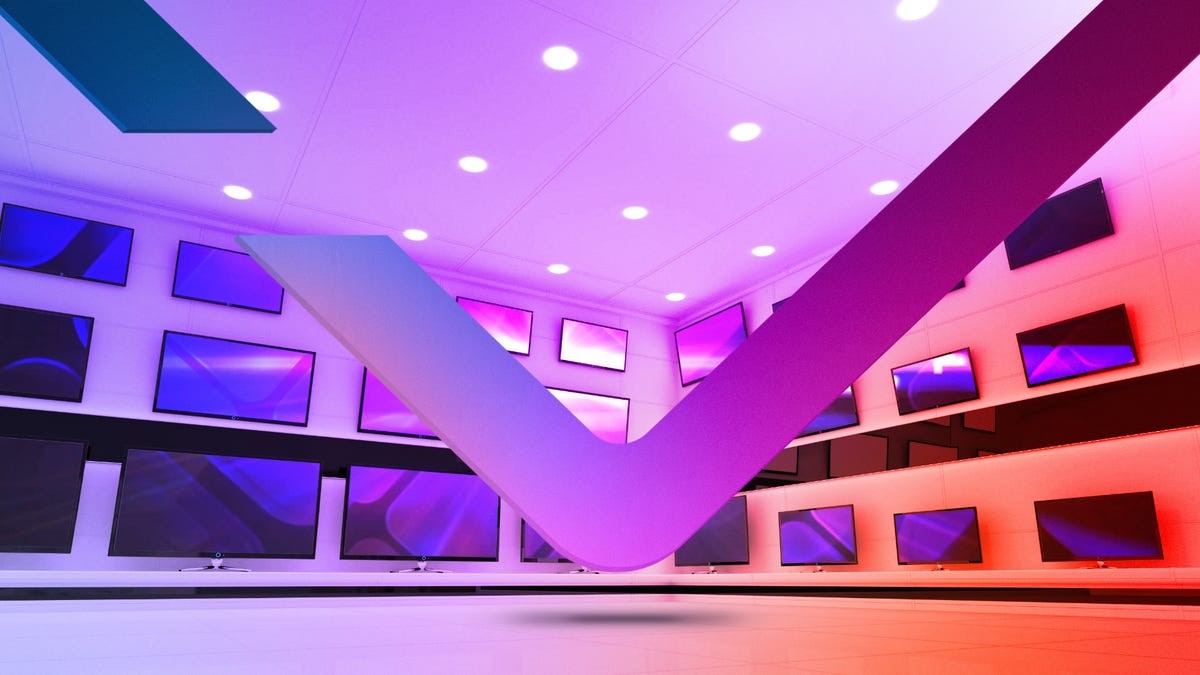
Walk into any electronics store, and you are immediately greeted by a wall of screens blasting light at maximum intensity. This is “Shop Mode” (or “Vivid” mode), designed specifically to grab attention and make TVs look impressive from across the aisle. However, this eye-searing display is rarely how televisions perform in a real living room.
For decades, TV manufacturers have engaged in a “brightness war,” pushing peak luminance to unprecedented heights. While this technological arms race has delivered stunning results for gaming and HDR content, it has also created a disconnect between marketing specs and actual viewing experience. Understanding the difference between peak brightness and accurate color reproduction is key to choosing the right TV for your home.
The Explosion of Peak Brightness
The data from CNET’s TV Lab reveals a dramatic shift in industry standards. Until 2025, the brightest TV reviewed was the 2019 Vizio PX65-G1, which hit 2,900 nits. In the following 18 months, that ceiling shattered.
- 2026 Milestones: The TCL QM8L is advertised with peak brightness up to 6,000 nits, a level comparable to outdoor sporting displays.
- The Average Rise: Even mid-range “normal” TVs have seen their maximums climb from under 1,000 nits to between 1,000 and 1,500 nits.
- Technology Drivers: This surge is largely fueled by Mini-LED and Micro-LED technologies. These innovations allow manufacturers to pack thousands of tiny light sources into a single panel, dramatically increasing light output compared to older LED models.
While OLED technology has also improved—LG’s “four-stack” design in the G4 series boosted brightness significantly—it still trails behind the absolute peak luminance of high-end Mini-LED models like the Hisense U8QG, which measured over 4,000 nits in tests.
The Accuracy Trade-Off: Why Brightness Drops in “Movie Mode”
Here lies the critical catch: Peak brightness often sacrifices color accuracy.
When manufacturers advertise record-breaking nit counts, they are typically measuring the TV in “Vivid” or “Dynamic” modes. When you switch to “Movie” or “Filmmaker” modes—which are calibrated for color accuracy and cinematic intent—brightness often plummets by up to 50%.
- The Physics of Perception: Manufacturers sometimes boost perceived brightness by shifting the color temperature toward blue. The human eye perceives cooler, bluer whites as brighter. However, this creates an unnatural, hyper-real look often described as the “uncanny valley.”
- Real-World Impact: High-end models like the TCL X11K, TCL QM9K, and LG G5 can lose half their advertised brightness when set to accurate modes. For example, the LG G5, despite its massive peak potential, performs beautifully in Movie mode but does not retain its maximum luminance.
This trade-off exists because running a TV at maximum brightness constantly is detrimental to the hardware. It reduces the lifespan of diodes, increases power consumption, and raises the risk of image retention or burn-in, particularly in OLED panels. As one LG technician noted during a demo: “You don’t want to run the TV like that all the time.”
Why Brightness Isn’t Everything
While high brightness is impressive, it is only one component of image quality. Contrast, color accuracy, and shadow detail are equally important for a compelling viewing experience.
Consider cinematic storytelling: Many scenes are set at night or in low-light environments. A TV that crushes dark details to prioritize bright highlights will fail to show what is happening in the shadows. Conversely, scenes dominated by pure white are rare in filmmaking.
- Dim but Excellent: Some of the best TVs on the market are not the brightest. The LG C4 and TCL QM6K often measure under 1,000 nits in accurate modes, yet they remain top-tier choices for movies and gaming due to their superior contrast and color fidelity.
- Sufficiency Threshold: For most viewers, a TV measuring under 1,000 nits in accurate mode is still more than sufficient for a high-quality HDR experience.
Where High Brightness Actually Matters: Gaming and HDR
So, if we don’t need 6,000 nits for movies, why are manufacturers building them? The answer lies in High Dynamic Range (HDR) content and gaming.
- Gaming: Unlike streaming services, which often compress HDR data, game developers can tailor HDR brightness to specific hardware capabilities. High-brightness TVs make fast-paced action games like Call of Duty pop with greater immersion and clarity.
- Future-Proofing: Dolby is developing Dolby Vision 2, a new standard designed to utilize the extra light output of modern TVs. While compatible content and hardware are at least 12 months away, this standard aims to bridge the gap between high-brightness capabilities and accurate content delivery.
Conclusion: How to Choose
The “brightness war” has made TVs better than ever, but it has also complicated buying decisions. When shopping, ignore the “Vivid” mode displays in stores. Instead, look for reviews that test accurate modes and consider your primary use case:
- For Movie Lovers: Prioritize color accuracy and contrast. A TV with 800–1,000 nits in Movie mode is often superior to a brighter, less accurate alternative.
- For Gamers and Bright Rooms: Higher peak brightness (1,500+ nits) can enhance immersion and combat ambient light reflections.
Ultimately, you do not need the brightest TV on the market to have a great experience. Budget-friendly models like the Hisense QD7 prove that excellent picture quality is achievable without paying for excessive, unused luminance.