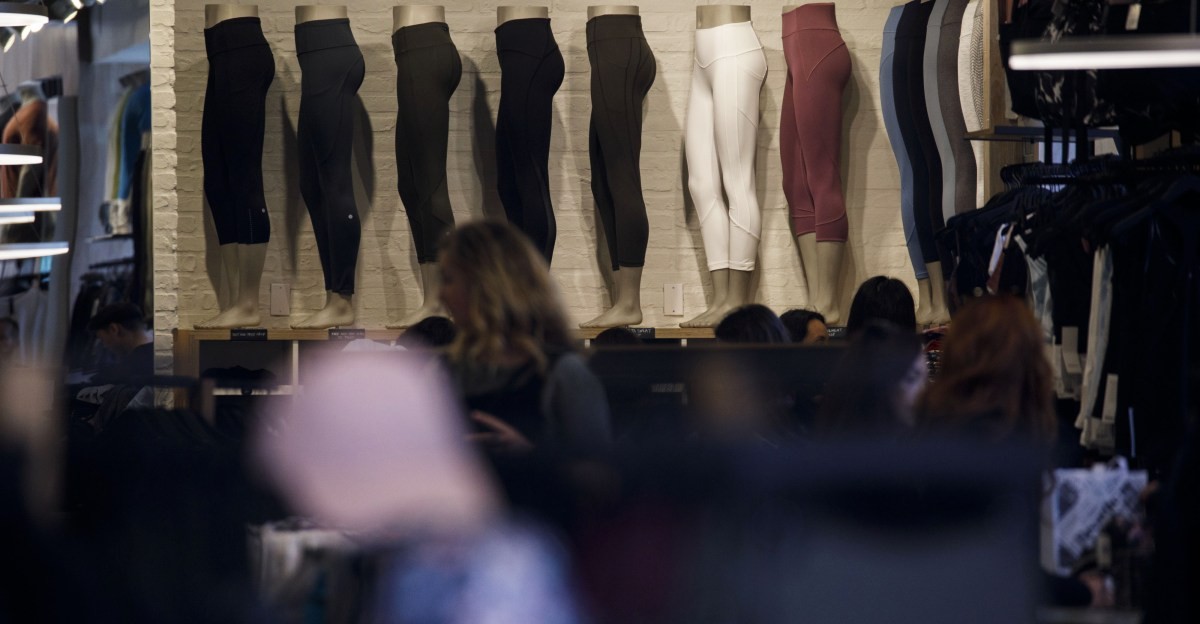
A battle is brewing in the world of workout wear, pitting older millennials against their younger Gen Z successors. The weapon of choice? Pants—specifically, the tightness of them. Where millennial gym-goers have long embraced sleek leggings and form-fitting athletic attire, Gen Z is championing a return to baggy sweats, loose tees, and “generous” cuts.
This generational clash has sparked debate, fueling a sense that what was once cool (tight athleisure) might be on its way out. The Wall Street Journal even reported on this trend, highlighting the shift towards looser silhouettes in brands like Lululemon, Vuori, and Alo Yoga. But is this just another fleeting fashion cycle, or something more profound?
Why Millennials Clung to Leggings
For millennials, leggings were more than just exercise wear; they became a symbol of fitness culture’s rise. Millennials came of age during the explosion of athleisure brands – with Lululemon and Nike leading the charge. This generation saw early athletic apparel lean towards boxier styles, so the emergence of form-fitting designs felt innovative and even seductive. Tight clothes accentuated muscle definition, making every workout feel like a performance.
“They’re trying to confuse you, Alex,” says Bobby McMullen, millennial trainer and founder of fitness app Adonis, using his dry humor to highlight what he sees as a decline in functional gym wear. “They’re putting form above function, and it makes me sick.”
For McMullen, leggings represented more than mere practicality; they embodied the pride millennials took in their physical accomplishments. The rise of gyms and fitness classes fueled this trend. “If you’re doing squats, I want to see an uncomfortable outline of whatever’s going on down there,” he asserts with a laugh. “The bottom of your squat should be TV-MA.”
Gen Z: Comfort Over Cringe
While millennials embraced athleisure as a badge of fitness accomplishment, Gen Z views it differently. This younger generation is more concerned about comfort and embracing a less rigid definition of “workout” attire. They see the trend towards hyper-fitted clothing as performative and even cringeworthy. Loose sweats and oversized tees are seen as both comfortable for everyday wear and functional for exercise—especially for activities like running, cycling, or pilates.
Jojo Kelly, a Gen Z–millennial cusper (born in 1996) and head coach at Tonehouse in New York City, illustrates this mindset: “You can’t tell if your knees are tracking over your second toe in sweatpants,” she points out about the value of form-fitting clothes during intense workouts. “I also believe in wearing what you feel the most comfortable in. Working out is already uncomfortable enough!”
Sharon Kim, a younger millennial lifestyle content creator and fitness enthusiast, acknowledges this shift: “I like wearing loose clothing, but from a workout perspective, I don’t know how I feel about that,” she says. “I’m not doing gentle yoga; I’m running miles.” She observes that many Gen Z members opt for looser athleisure before and after their workouts, blending leisurewear into fitness routines.
The Ever-Changing Fashion Battlefield
While the debate over leggings might seem dramatic, it’s part of a larger pattern: what’s considered “trendy” is constantly evolving. From skinny jeans to ankle socks, each generation pushes back against the stylistic norms of their predecessors. It’s likely that Gen Alpha will eventually reject both baggy and form-fitting styles for something entirely new.
The real winners in this generational tug-of-war are athleisure brands themselves. They capitalize on both sides: offering a wide range of options, from tight leggings to oversized sweats, to appease every generation and keep those profits flowing.
What remains clear is that the future of athletic apparel is flexible—both literally and figuratively. Comfort, practicality, and individual expression will likely continue to shape what we wear, whether at the gym or on our daily commutes. Leggings may remain a mainstay for many, but looser silhouettes are poised to join them as staples in the ever-shifting landscape of fashion.