




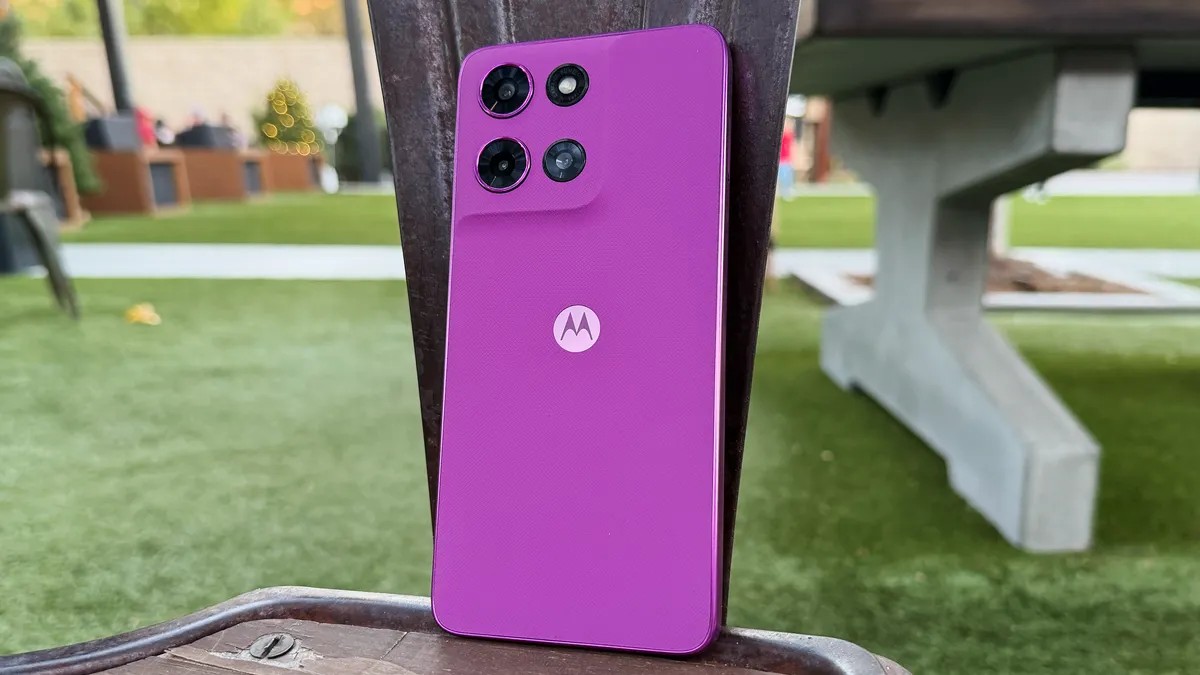
A surge in demand for memory, driven by the explosive growth of generative AI, is poised to increase smartphone prices in 2026. Analysts predict that consumers will bear the brunt of this shortage, with low-end devices expected to see the most significant price hikes. This isn’t a temporary supply chain hiccup; experts suggest it could represent a long-term shift in silicon wafer capacity allocation.
The AI-Driven Memory Crunch
For years, demand for computer parts has been inflated by cryptocurrency mining. Now, generative AI is amplifying that trend, creating unprecedented strain on the global memory market. Data centers, the engines behind AI workloads, are prioritizing massive memory orders, leaving smartphone manufacturers scrambling for supply.
The key issue isn’t just availability but where the supply is going. Smartphones use miniaturized RAM, but production is shifting to serve the insatiable appetite of AI-focused data centers. This imbalance is driving up prices for all types of RAM, pushing costs higher across the board.
Impact on Consumers: Higher Prices and Lower Specs
The impact on consumers will be twofold: higher prices and potentially reduced device specifications. Market intelligence firm IDC predicts that low-end smartphone prices could spike by 5-10% in 2026, as memory accounts for 15-20% of their material costs. Manufacturers are likely to pass these costs onto consumers rather than absorb them.
“Vendors playing in the low end… will have almost no choice but to pass the increased cost to consumers,” says Nabila Popal, senior research director at IDC.
Phone-makers will also shift product mixes toward higher-margin premium devices, selling fewer cheap phones. IDC now forecasts a 2% increase in average smartphone prices next year, reversing previous predictions of a slight decline. Despite lower unit shipments, the overall smartphone market is expected to reach a record $578.9 billion in value.
The Trade-off: RAM Capacity vs. Cost
To mitigate price increases, some manufacturers may reduce the amount of RAM in entry-level and mid-range devices, reverting to 4GB configurations. This is significant because 8GB is now considered the baseline for running on-device generative AI features like Galaxy AI or Google Pixel’s photo enhancements.
Reducing RAM means slower performance, more lag, and reliance on cloud-based AI services that require a data connection. Even high-end phones may forgo plans for 24GB or higher configurations, capping out at 16GB or even dropping to 12GB in “Pro” variants.
A Long-Term Shift?
The duration of this shortage remains uncertain. However, the shift in production priorities suggests it could be more than temporary. Consumers in price-sensitive markets may delay upgrades, while those on installment plans in the US may see a smaller immediate impact on monthly bills.
Ultimately, the memory crisis will reshape the smartphone landscape, forcing manufacturers to prioritize margins over features and pushing consumers to pay more for less.