



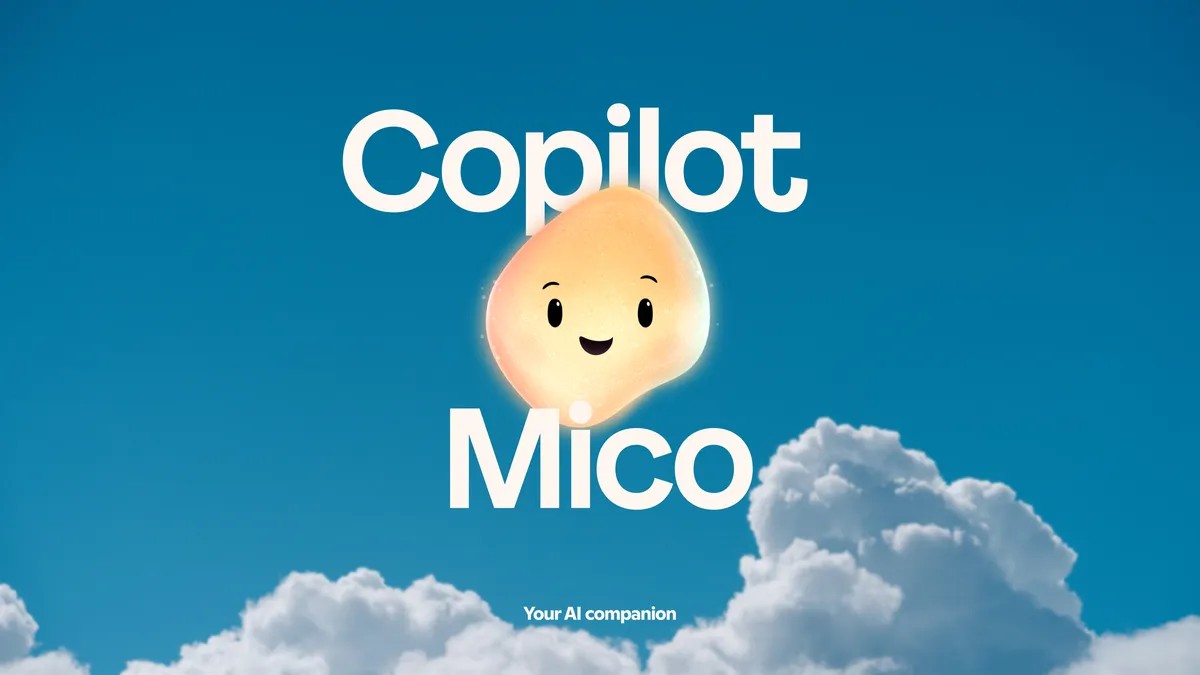
Microsoft has officially reintroduced a digital assistant reminiscent of its infamous Clippy, now named “Mico,” as part of its latest Copilot AI Fall Release. The move marks a surprising return to character-based AI interaction, aiming to make conversations feel more human-like, despite the controversial history of similar designs.
The Return of a Familiar Face
Mico is designed to be visually expressive and customizable, responding to user input with dynamic animations and color changes. Microsoft positions this as a way to make voice interactions feel more natural, bridging the gap between speaking to an AI and speaking to a person. While optional, the character’s presence is clearly a focal point of the new Copilot update.
Easter Eggs and Nostalgia
For those familiar with the original Clippy, an Easter egg has been discovered in the mobile app: repeatedly tapping Mico can temporarily transform it into the classic paperclip assistant. This nod to the past suggests Microsoft is leaning into the nostalgia factor, even as it tries to position Mico as a new, more refined experience.
“Real Talk” and Adaptive AI
Beyond aesthetics, Microsoft is touting Copilot’s ability to engage in “real talk,” which involves challenging user assumptions with empathy and adapting to conversational tones. The goal is to foster deeper engagement and more meaningful connections between users and the AI.
Microsoft’s reintroduction of a digital assistant personality is a significant step, signaling a shift in how companies approach AI interaction. Whether it’s a genuine attempt to humanize technology or a calculated play on nostalgia, Mico’s arrival raises questions about the future of AI companions.