




Meta has officially launched Muse Spark, the first model from its new “Muse” series, marking a significant pivot in the company’s artificial intelligence strategy. Following massive capital investments by Mark Zuckerberg to overhaul Meta’s AI capabilities, this new model is designed to move beyond general assistance and become deeply embedded into the social fabric of Meta’s ecosystem.
Deep Integration Across the Meta Ecosystem
Unlike standalone AI tools, Muse Spark is being positioned as a “purpose-built” engine for Meta’s existing platforms. The rollout is designed to be seamless and pervasive:
- Current Availability: The model is already powering the Meta AI app and website in the United States.
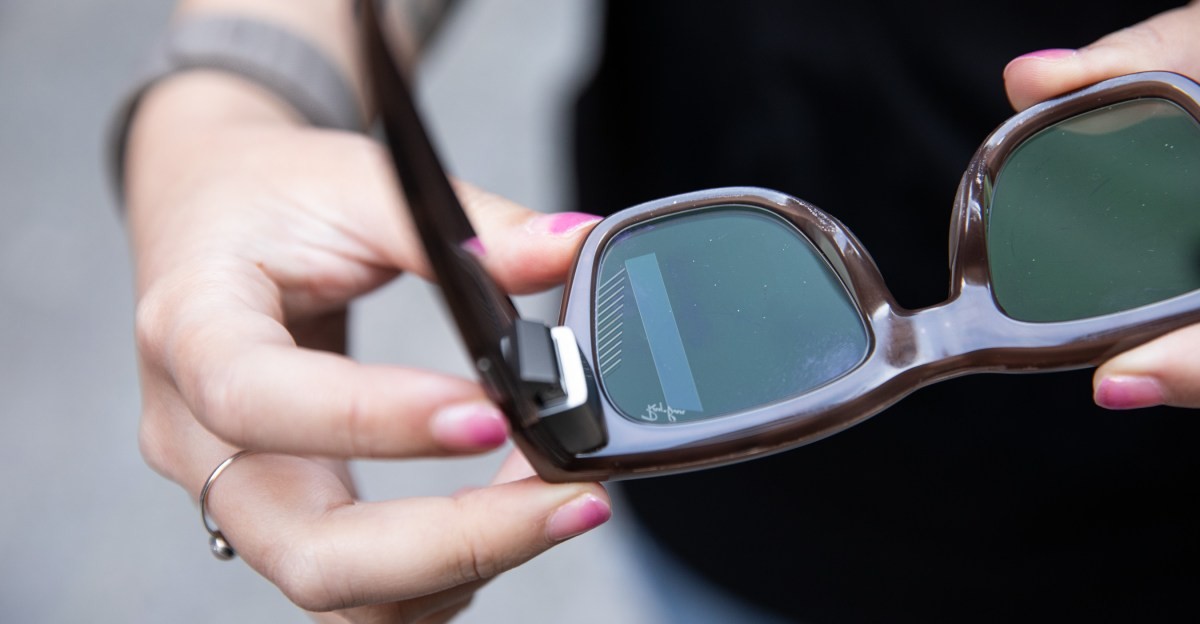
- Upcoming Rollout: In the following weeks, Muse Spark will integrate into WhatsApp, Instagram, Facebook, Messenger, and Meta’s proprietary smart glasses.
- Developer Access: A private preview via API will be made available to select partners, allowing third-party developers to build on the Muse architecture.
By mirroring the integration strategy used by Google Gemini, Meta is attempting to turn its massive social media user base into a captive audience for its AI services.
Advanced Capabilities: Multimodality and “Thinking” Modes
Muse Spark introduces several technical advancements aimed at making AI interactions feel more natural and intelligent:
1. Multimodal Perception
The model can process both text and images simultaneously. This is a critical component for Meta’s long-term bet on AI-powered smart glasses, where the AI must “see” what the user sees to provide contextually relevant information.
2. Dual Processing Modes
To balance speed and accuracy, Muse Spark offers two distinct ways to process information:
– “Instant” Mode: Optimized for rapid-fire, simple queries.
– “Thinking” Mode: Designed for complex reasoning, similar to Microsoft’s “Think Deeper” feature, providing more thorough and logical responses.
3. Agentic Workflow
Meta claims the model can run multiple AI sub-agents simultaneously. This allows the system to break down complex queries into smaller tasks, resulting in faster and more accurate outcomes.
Navigating the High Stakes of AI in Health and Science
A major pillar of the Muse Spark announcement is its ability to handle complex queries in science, math, and health. Meta demonstrated this by showing the chatbot estimating calorie counts from meal images—a task that remains notoriously difficult for AI.
However, this move enters a highly sensitive territory. The rise of health-focused AI chatbots—such as OpenAI’s ChatGPT Health and Anthropic’s Claude for Healthcare—has raised significant concerns regarding:
* Data Privacy: The handling of sensitive medical information.
* Accuracy: The risk of AI propagating medical misinformation.
Meta is betting that its “multimodal perception” (the ability to analyze charts and medical images) will give it a competitive edge in providing detailed, visual-based health assistance.
The Road Ahead: The Muse Series
Muse Spark is described as an “early data point” in a larger trajectory. Meta has indicated that even larger models are currently in development and that the company intends to open-source future versions of the Muse series.
This launch follows a period of restructuring for Meta. After the delayed release of Llama 4 in 2025, the company has shifted focus toward the Muse series to regain its footing in the intense competition between OpenAI, Google, and Anthropic.
Conclusion
Muse Spark represents Meta’s attempt to move AI from a novelty tool to an invisible, essential layer of social interaction. By focusing on multimodal integration and specialized reasoning, Meta is positioning itself to lead not just in chatbots, but in the next generation of wearable, AI-driven computing.