











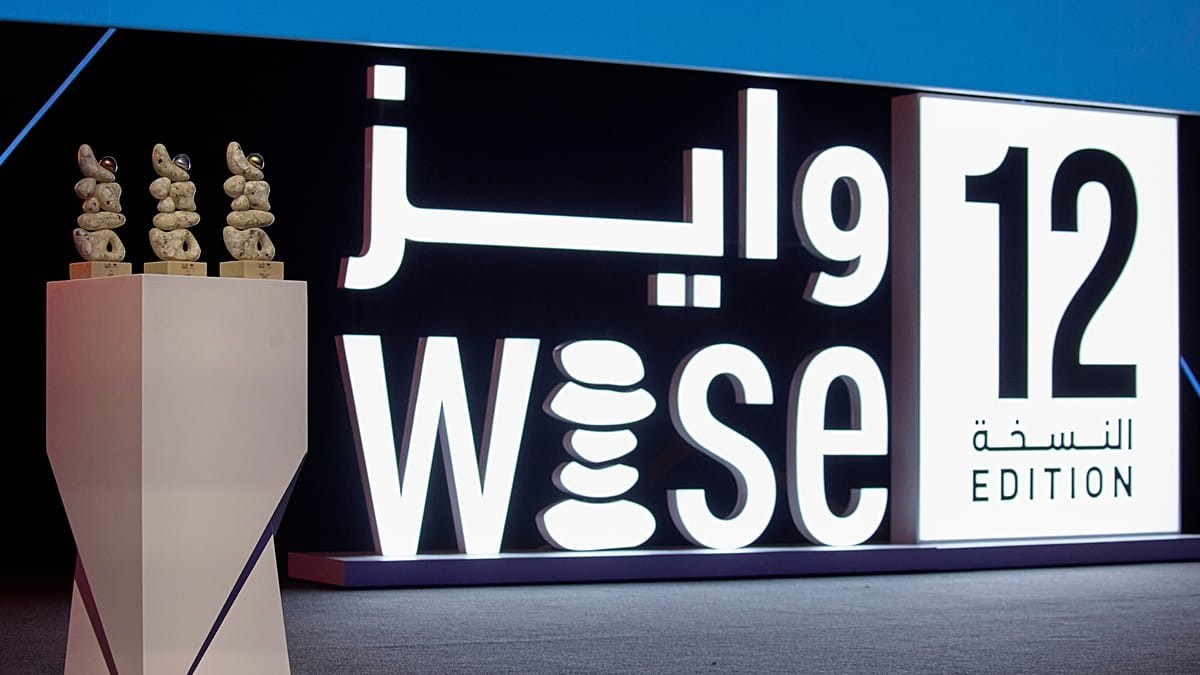
Global education leaders meeting in Doha at the World Innovation Summit for Education (WISE) delivered a stark warning: the rapid integration of artificial intelligence (AI) and other advanced technologies into classrooms must prioritize deep learning over superficial gains. The summit, attended by policymakers, educators, and tech experts from over 100 countries, underscored the urgent need to align innovation with human values and equitable access.
The Challenge: Scaling AI Without Exacerbating Inequality
The central debate wasn’t about whether to integrate AI, but how to do so effectively. Experts cautioned that poorly implemented AI tools – lacking robust data governance, adequate teacher training, or curriculum alignment – could widen existing educational gaps rather than close them.
The issue is not simply technical sophistication, but cultural relevance. Tools designed in labs often fail when introduced to under-resourced schools or overcrowded classrooms. As Mana Mohammad Al-Ansari of Education Above All stated, “AI should behave after humanity, not before humanity.” This highlights the core tension: technology is a tool, not a replacement for human-centered pedagogy.
Global Strains and Emerging Skills
The summit took place against a backdrop of increasing global instability. UNESCO research presented at the event revealed widening disparities in digital access and education funding, compounded by conflict, displacement, and climate disruption. This context is critical because education is increasingly expected to act as a stabilizing force in crisis zones, preparing communities for long-term recovery.
Beyond current challenges, the discussion extended to preparing students for jobs that don’t yet exist. Experts warned that traditional education pathways are too slow to keep pace with accelerating technological change. Google researcher Matthew Kam argued that systems must proactively predict future roles and train students before those roles become mainstream. This shift requires a move from reactive to predictive skill development.
Teachers Remain Essential
Despite the focus on AI, the most consistent message was that teachers remain the bedrock of effective education reform. Digital tools alone cannot guarantee success without strong institutional leadership, supportive policy frameworks, and ongoing professional development. Poorly designed systems risk widening inequality. Dr. Margo Tripsa of Qatar Foundation emphasized that “momentum isn’t sustained by courses alone; we need structure, leadership, and policy support.”
Innovation Spotlighted, Caution Reiterated
The WISE Prize for Education, awarding $1 million to global changemakers, celebrated innovative approaches. This year’s winners included TUMO (Armenia), which redefines after-school learning through technology; Iqrali.jo (Jordan), a platform strengthening Arabic literacy through parental engagement; and Darsel (US), an AI-powered math tutor for low-connectivity areas.
However, Nobel laureate Abhijit Banerjee closed the summit with a crucial reminder: technology cannot fix broken systems alone. His point is simple but profound: all children can learn if education meets them where they are. Poorly designed tools risk substituting deep understanding with superficial shortcuts. The outgoing WISE chief executive, Stavros Yiannouka, described education as a “deeply human endeavor,” even in the age of powerful digital tools. His successor, Dr. Asyia Kazmi, warned that the world faces both “great promise” and “great peril” unless innovation is guided by clear human values.
In essence, the summit served as a call to action: technology should augment human learning, not replace it. The future of education depends on prioritizing pedagogy, equity, and teacher support alongside technological advancement.