









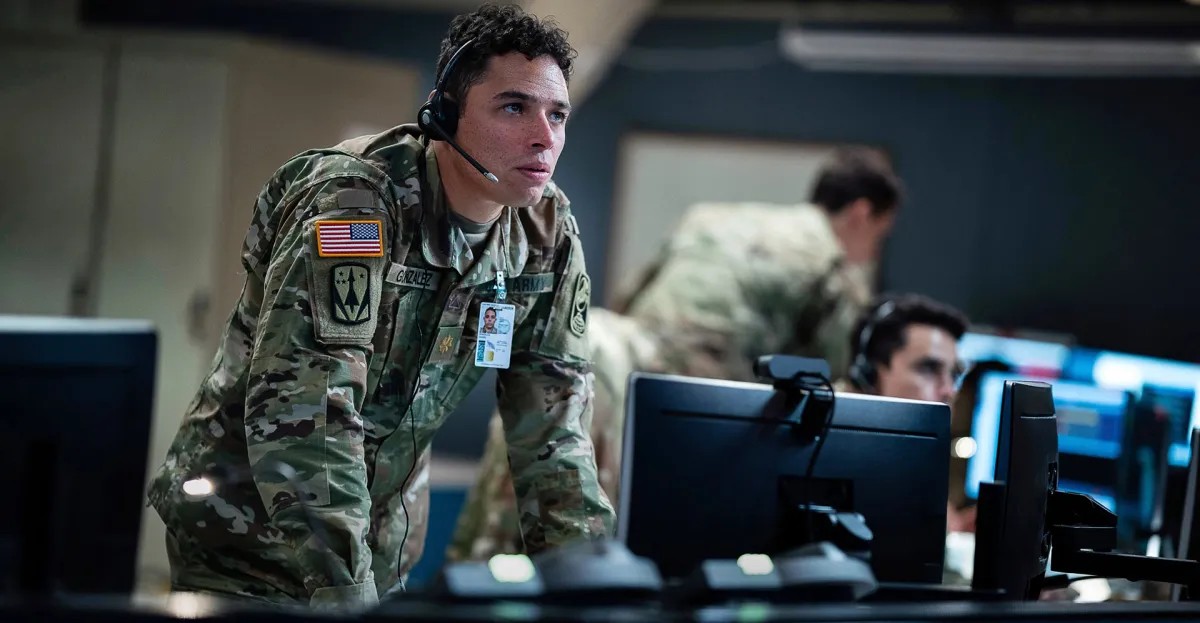
Movies often depict artificial intelligence as the trigger for global catastrophe, like Skynet in Terminator or WOPR in WarGames. While these scenarios feel far-fetched, they highlight a very real concern: how will increasing reliance on AI within our nuclear command and control systems affect human decision-making in an already terrifyingly complex scenario?
This isn’t about AI taking the red button from our hands. The experts interviewed for this article agree that AI shouldn’t be making the ultimate “launch or don’t launch” decisions. Instead, they emphasize the growing role of AI in analyzing vast amounts of data and presenting information to human commanders at a speed impossible for humans alone.
But here’s the catch: the effectiveness of this system hinges on one crucial factor – human understanding. Do we truly grasp how these sophisticated AI models work, their limitations, and potential biases?
AI in Nuclear Command Today: A Patchwork System
Ironically, our current nuclear command and control systems are surprisingly antiquated. Despite housing the power to unleash unimaginable destruction, they’ve relied on clunky technology until recently – including floppy disks for communication (yes, those floppy disks). This outdated system is being modernized, with a multibillion-dollar push underway that includes integrating AI.
While this modernization might seem necessary for security and efficiency, experts like General Anthony Cotton, commander of Strategic Command – responsible for the US nuclear arsenal – argue that AI can analyze vast swathes of information much faster than humans, potentially aiding in critical decision-making during a crisis.
Why This Matters: More Than Just Skynet
The danger isn’t necessarily a rogue AI taking control. It’s more subtle – AI could inadvertently increase the likelihood of human error, escalation, or misunderstanding. Here are some key concerns:
- AI Errors: Current AI models, even the most advanced ones, are still prone to errors and biases that can be amplified in high-pressure situations. Imagine an AI misinterpreting data during a tense standoff, leading to incorrect assessments and potentially disastrous consequences.
- Vulnerability to Attack: Sophisticated AI systems could be vulnerable to hacking or disinformation campaigns by adversaries seeking to manipulate nuclear decision-making processes.
- Automation Bias: Humans tend to overtrust information provided by computers, even when it’s flawed. This “automation bias” could lead commanders to rely too heavily on potentially inaccurate AI analyses during critical moments.
History Offers a Cautionary Tale
History offers stark reminders of how close we’ve come to nuclear disaster due to technology malfunctions and human fallibility. In 1979, the US nearly launched a retaliatory nuclear strike based on a false alarm triggered by Soviet submarine missile launches. Similarly, in the Soviet Union, Colonel Stanislav Petrov single-handedly averted potential catastrophe when he disregarded an erroneous computer alert indicating a US nuclear attack.
These events underscore that even with sophisticated technology, human judgment and vigilance are critical to preventing nuclear war.
The Bottom Line: AI Shouldn’t Diminish Our Responsibility
While AI offers the potential for improved efficiency in nuclear command and control, it also presents significant risks if not carefully managed.
Our reliance on AI shouldn’t diminish the crucial role of human oversight, understanding, and critical thinking – especially when dealing with such potentially devastating weapons systems. As we integrate AI into these complex structures, we must simultaneously invest heavily in robust safeguards, transparency, and ongoing ethical considerations to ensure that AI doesn’t push us closer to the brink of nuclear annihilation.