










Amazon’s ambitious drone delivery program is under federal scrutiny after one of its drones severed an internet cable in Waco, Texas last week. The Federal Aviation Administration (FAA) confirmed it is investigating the incident involving Amazon’s Prime Air service, which occurred around 12:45 p.m. local time on November 18th.
Incident Details
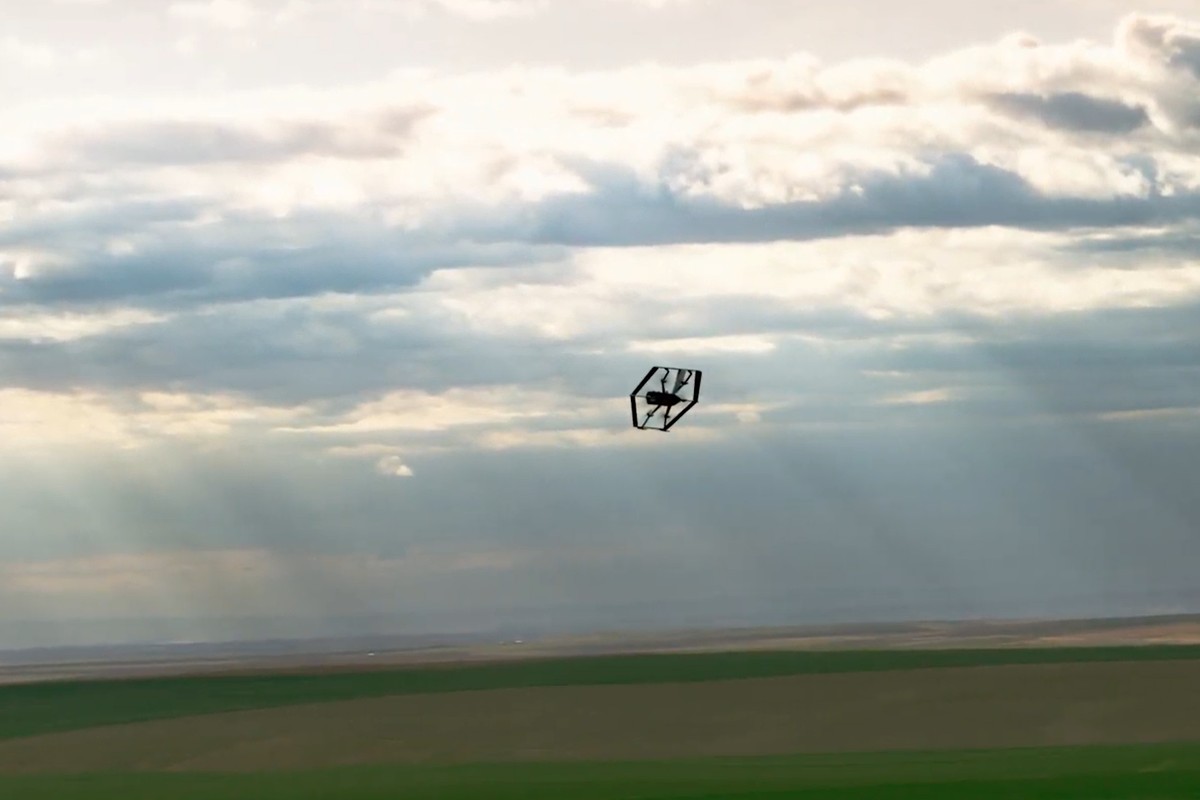
The FAA statement confirms that a MK30 drone struck an overhead wire line, but Amazon disputes the characterization as a “crash.” According to an Amazon spokesperson, the drone “clipped” a thin internet cable after completing a delivery and executed a pre-programmed “Safe Contingent Landing.” The company maintains there were no injuries and no significant internet outages. However, reviewed video footage shows the drone’s propeller becoming entangled in a utility line, forcing a controlled descent after its motors shut off.
Prior Incidents & Expansion Plans
This is not the first safety concern raised by Amazon’s drone program. In October, both the NTSB and FAA announced investigations into a separate collision involving two Amazon Prime Air drones and a crane boom in Arizona. Despite these incidents, Amazon is aggressively expanding the service. The company launched prescription medication drone delivery in College Station, Texas, in 2023 and aims to deliver 500 million packages annually by drone by 2030.
Amazon is also pursuing drone delivery in the UK, with plans to launch its first service from a fulfillment center in Darlington, Durham, pending regulatory approval. The company expressed confidence in replicating its success in other markets, highlighting its track record of safety and collaboration with regulators.
Implications & Future Outlook
The FAA investigation will likely scrutinize Amazon’s drone safety protocols, including obstacle avoidance systems and emergency landing procedures. The incident raises broader questions about the integration of drones into civilian airspace, especially as companies push to scale up operations. While drone delivery holds promise for faster and more efficient logistics, ensuring public safety remains a critical challenge.
Amazon’s expansion plans depend on proving the viability of its drone program without compromising reliability or safety, and regulators will need to balance innovation with risk mitigation.