


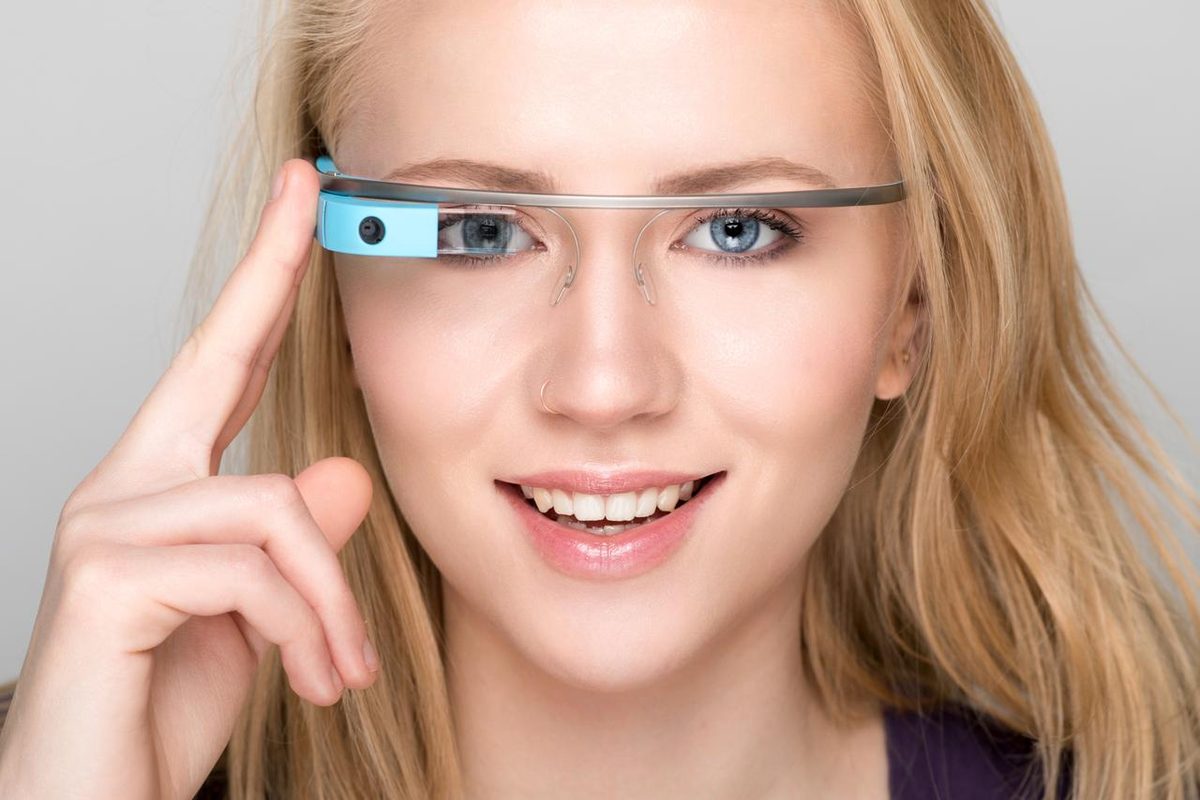
It looks like something from a sci-fi movie. The technology world held its breath when Google introduced its connected augmented reality glasses. At first glance, they look like ordinary glasses. it is not. Beneath this sleek, futuristic frame is a complex array of high-tech components, including a camera, microphone, bone-conduction audio speakers, and a tiny touchpad. It was a wearable computer strapped to your face.
Google launched its initial consumer model in 2012. The project has been incubating at Google X, the company’s moonshot lab, for several months. The vision was bold. These glasses were meant to be a direct alternative to smartphones. Users can check emails, answer calls and manage their calendars without taking their devices out of their pockets.
It didn’t work.
This gadget was not fully accepted by the public. Several factors killed the hype. Prices are around 1,500 dollars (about 1,400 euros). These are expensive glasses. Furthermore, ecosystems have their limits. The Spectacles appear to be designed primarily for use with Google apps, limiting their usefulness to the average user. By 2015, Google stopped making the consumer version.
However, the project is not over. The direction has just changed. Google is shifting its focus from everyday consumers to niche areas where technology can solve specific, high-value problems.
Shifting Focus to Professional Use Cases
While the mass market refuses to wear computers on their faces, industries with complex, hands-free needs saw potential. Google realized that while doctors, engineers, and business teams could benefit from augmented reality (AR), shoppers could not.
In May 2019, Google released a new generation of enterprise-focused glasses. The design is still stylish, but the purpose is completely different. It’s not just about taking selfies or checking Facebook notifications anymore. It’s about workflow efficiency.
Consider the case of the surgeon. Touching a screen or looking at a chart during a critical procedure can compromise sterility and waste valuable time. Enterprise-grade AR glasses allow surgeons to see a patient’s medical records, images and vital statistics right in their field of view. The data covers the real world and closely monitors the patient.
We believe there are similar opportunities in the corporate world. Remote collaboration has become a key selling point. Instead of staring at a 2D screen, professionals can use the glasses to present reports or attend meetings with colleagues around the world. The technology promises to remove geographical barriers in a more engaging way than standard video calls.
Why the Enterprise Pivot Matters
The transition from consumer electronics to business tools highlights a common pattern in the history of technology. Innovative hardware often doesn’t become a mass market product until it finds a niche. The original Google Glass had privacy issues and social awkwardness. People feel uncomfortable being photographed without their permission. High costs also limit adoption to early adopters who may not need the technology.
By targeting professionals, Google avoids many of the problems that consumers face. In hospitals and factories, the use cases are clear and logical. The cost is amortized by increased efficiency or safety. The privacy concerns are managed within controlled environments.
This development explains why the business version of Google Glass survives when the consumer version dies. This answers the question: What are augmented reality glasses actually used for today? They aren’t in your pocket or on your face during a commute. They are in operating rooms, factory floors and high-stakes corporate meetings.
This technology is not going away. It just got serious.
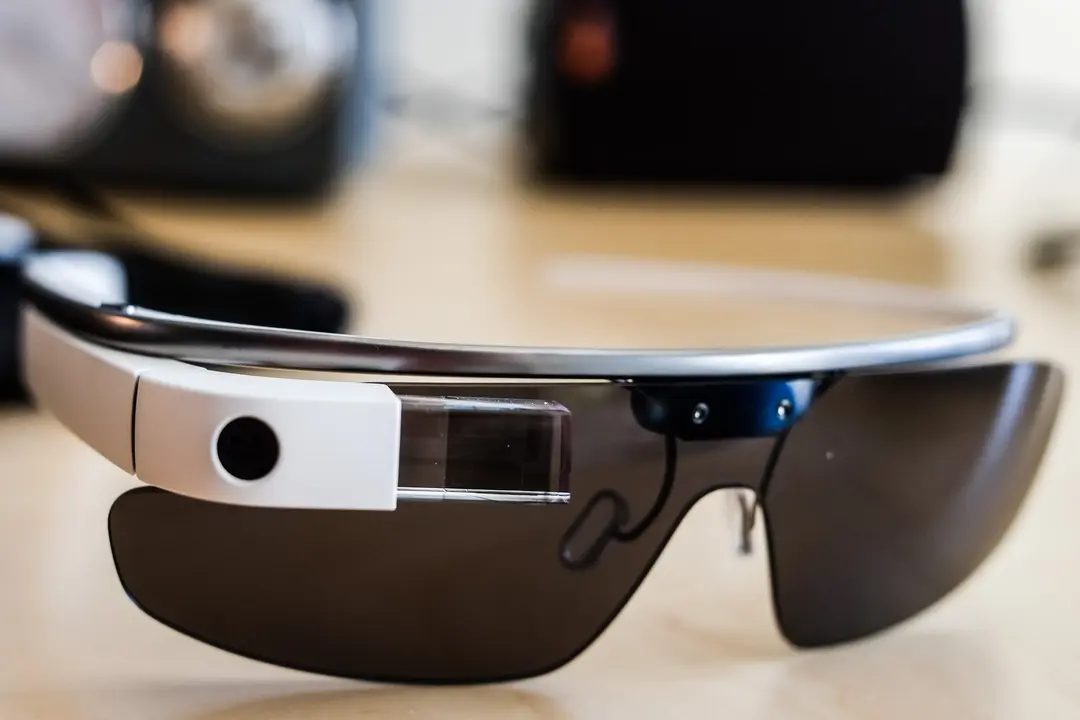

How Google Glass actually works
The real leap here is more than just using display glasses. It’s about making augmented reality available without the bulk. You flip them on. Suddenly, the physical world still exists, but a digital layer is placed on top of it. Navigation takes place very smoothly through a scrolling 3D user interface. Want to see your data? The display handles it right in your field of view. Sharing isn’t limited to your eyes either. With the help of a micro projector built into the frame, you can project a 3D screen onto the wall or onto a colleague’s hand.
This is not magic. This is engineering. The battery powers the processor and operates the camera and micro-projector. Each component comes from the same cell. The system must balance processing power with heat and weight. If the battery drains too quickly, the projector dies. If the processor overheats, the user interface lags. It’s a tight loop.
The hardware needs to be light enough to be used all day, yet powerful enough to render graphics in real time. The camera records your surroundings. The processor mixes this input with application data. The projector outputs the result. This is a closed information loop. Look at the world. The glass tells you what to look at next.


